









Portugal D7 is granted for 4 months and is crucial to obtaining a residence permit in the country. Indian nationals with a stable passive income of just €920 a month can apply for it.
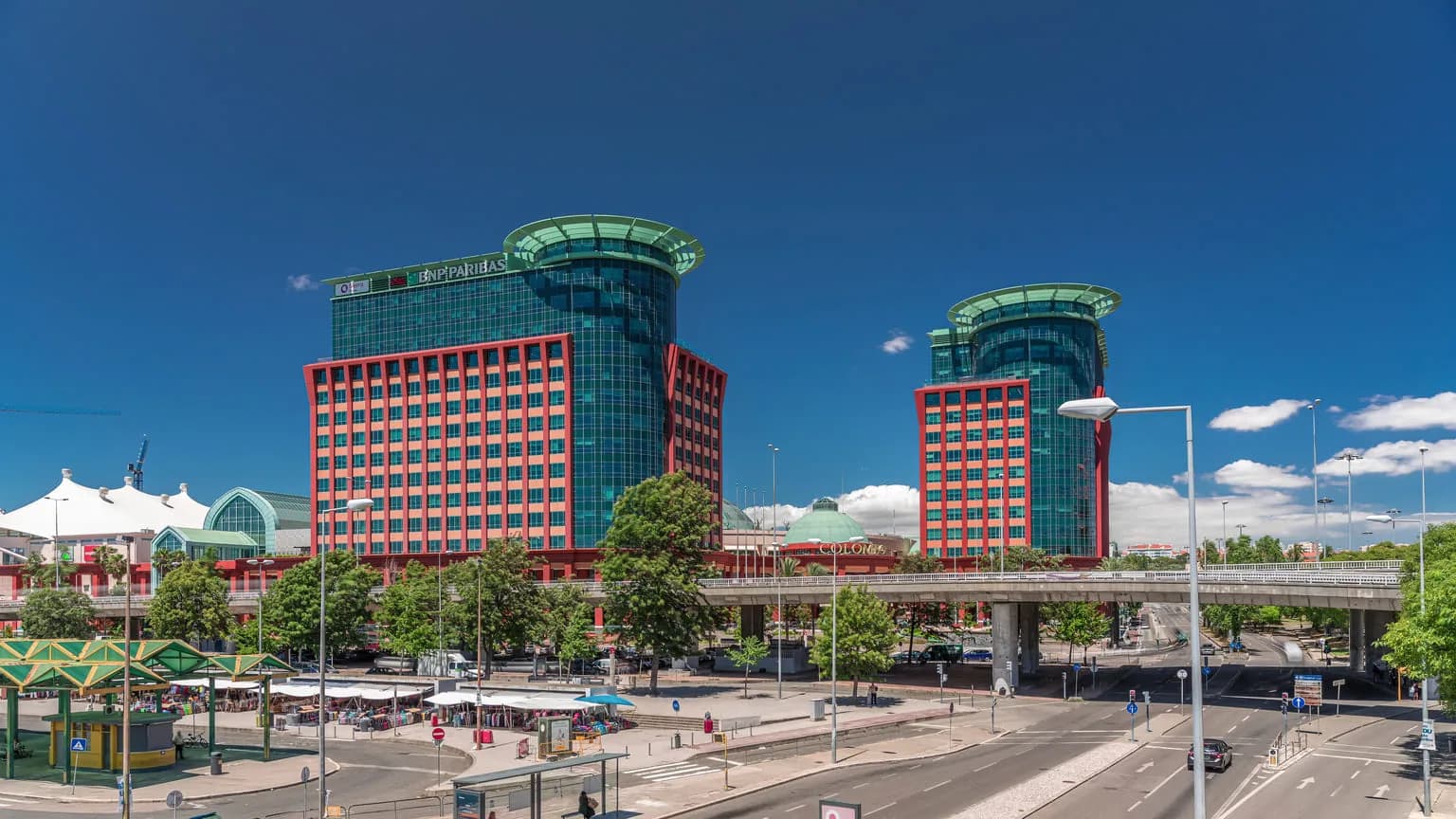
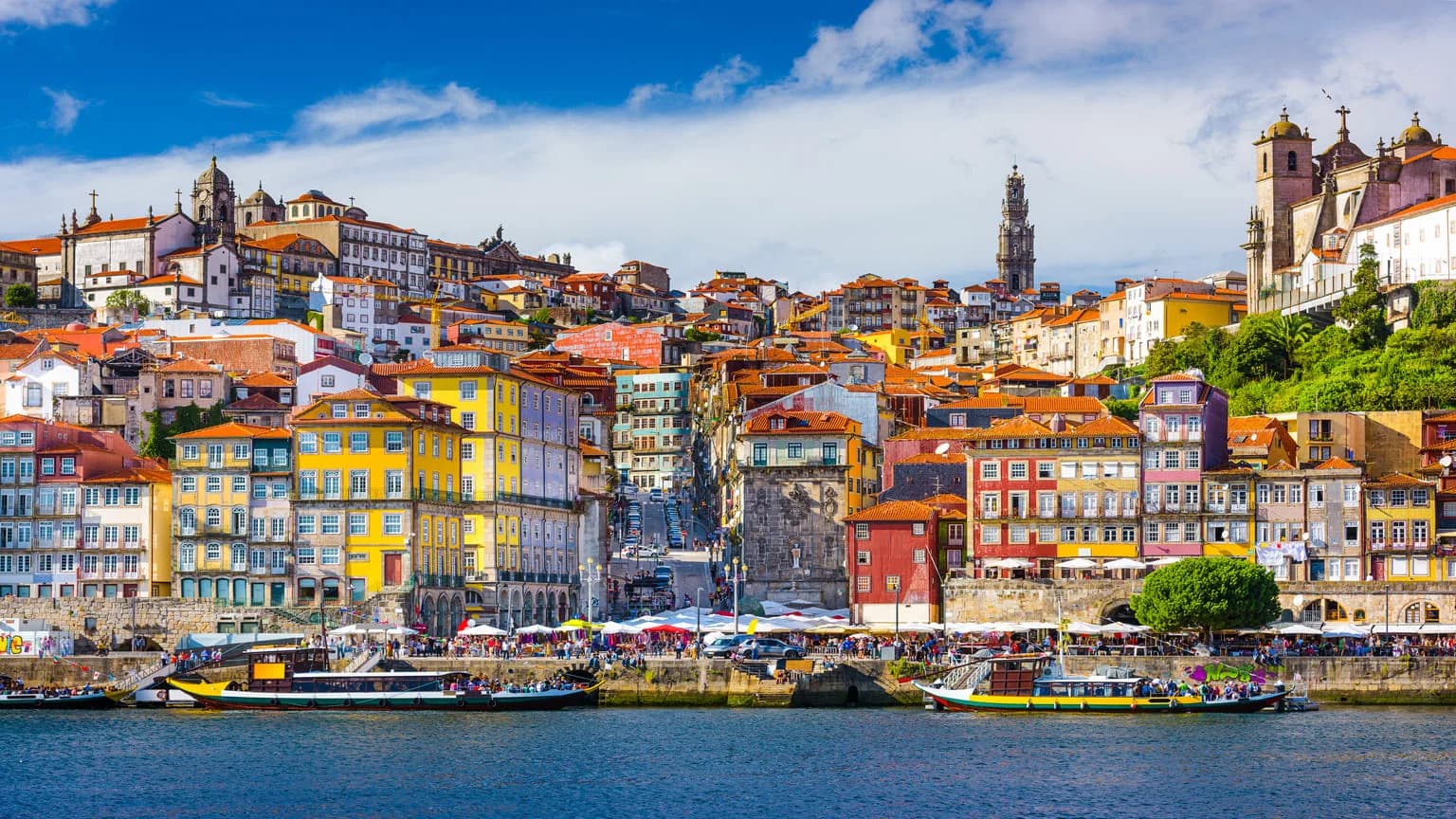
Living in Portugal grants you access to top universities and medical facilities and lets you travel to so many countries. Indian citizens can also join the Indian community in Portugal — there are 85,000 people of Indian origin there, mainly in Porto and Lisbon.
Let’s discuss the benefits of the Portugal D7 visa and how Indian citizens can get it.
What is the Portugal D7 visa?
Portugal D7 visa, also known as the Passive Income Visa, allows non-EU nationals with a stable income of at least €920 a month to obtain a residence permit in Portugal.
Investors and retirees qualify for this type of visa — any source of stable passive income is appropriate as long as it comes from outside Portugal; for example, pension or rental income.
Portugal D7 visa holders and their families can live, work and study in the country. After 5 years of holding a temporary residence permit, they can apply for permanent residence or citizenship.
Note that India does not recognise dual citizenship. Switching to a Portuguese passport would benefit those Indian nationals who plan to do business in the Schengen area countries and travel a lot.
7 benefits of the Portugal D7 visa for Indian citizens
1. Visa-free travel across the Schengen Area. 29 countries of the Schengen Area are open for Portugal D7 visa holders and their families for up to 90 days every half a year.
2. Access to quality education and medicine. Public healthcare is available to citizens and legal residents of Portugal. Residents can get treatment in local clinics or visit medical facilities in other Schengen countries. Residents can also enrol their children in local schools and universities
3. Right to live, work, and study in Portugal. D7 visa holders can run a business in Portugal, including opening new companies there.
4. Tax optimisation. If Indian citizens with the Portugal D7 visa reside in Portugal for more than 183 days a year, they become tax residents. They get Non-Habitual Resident status and do not pay foreign income tax.
5. No need to invest. Indian citizens and their family members with the Portugal D7 visa are not obliged to look for a job in Portugal or invest in the country’s economy.
6. Family members can be included in the application. The Portugal D7 visa can be acquired by the principal applicant and their family — a spouse, financially dependent children and parents.
7. Prospect of acquiring Portugal citizenship. Legal residents who have resided in Portugal for more than 5 years qualify for permanent residence or citizenship by naturalisation.
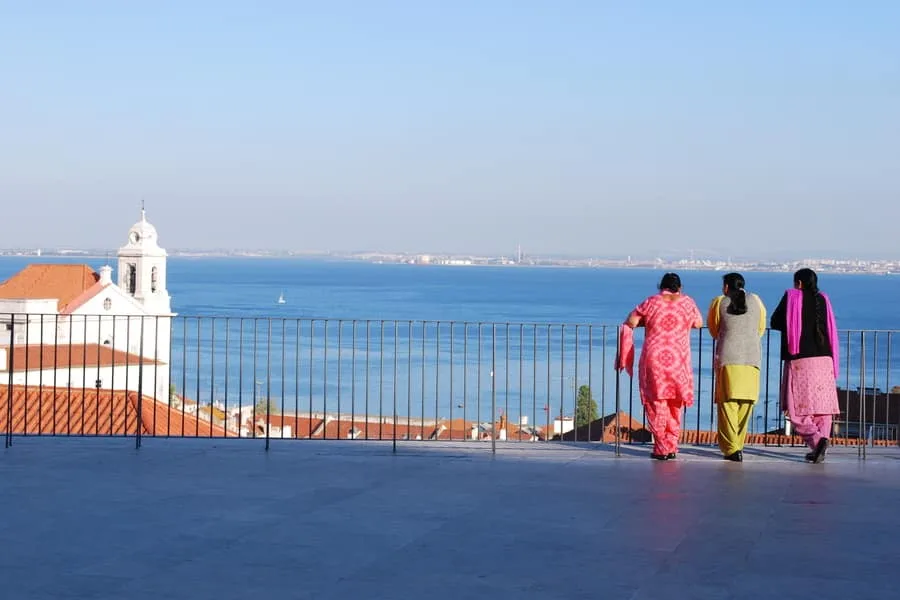
People of Indian origin often reside in Lisbon and Porto. In 2021, Portugal and India signed an agreement on the recruitment of Indian workers that made it easier for Indian citizens to find a job in Portugal.
Portugal D7 visa requirements for Indian applicants
Indian applicants and their family members must meet certain criteria if they want to obtain the Portugal D7 visa.
Requirements for applicants. The principal applicant for the D7 visa should:
- be over 18;
- have no criminal record;
- have a stable passive income of at least €920 a month outside Portugal;
- buy or rent property in Portugal;
- be ready to reside in Portugal for 183 days a year.
Requirements for family members. The principal applicant can include the following in the application:
- a spouse or a partner in a civil union;
- children under 18 financially dependent on the investor;
- children between 18 and 21 — unmarried, with no job;
- parents or siblings — financially dependent on the principal applicant.
Passive income requirements. An Indian citizen must earn at least €920 a month outside Portugal and be able to prove it. Any remote income will do: rental income, pension, investment, dividends, royalties, social security, etc.
The passive income of a spouse must be 50% of the principal applicant and 30% for a child. So a married couple without children must earn at least €1,380 a month; a married couple with a child under 18 must earn at least €1,656 a month.
Finally, an applicant must open a bank account in Portugal and keep the sum there. It is recommended to have the annual income sum in a bank account to apply for the Portugal D7 visa from India.
Documents required for Indian citizens to apply for Portugal D7 visa
Applicants submit these documents to the Portugal consulate in India:
- an international passport, valid for at least 3 months from the time of the stay in the country;
- 2 coloured pictures;
- a medical insurance policy;
- a police clearance certificate in the country of origin;
- a Portuguese bank statement — it is recommended to have the annual passive income sum of €11,040 for the principal applicant;
- a NIF registration certificate;
- proof of legal and stable passive income.
All family members submit these documents as well. A marriage certificate is needed for a spouse, and a birth certificate for underage children. Unmarried children must prove that they have no spouse and no job. Parents confirm their kinship by providing birth certificates.
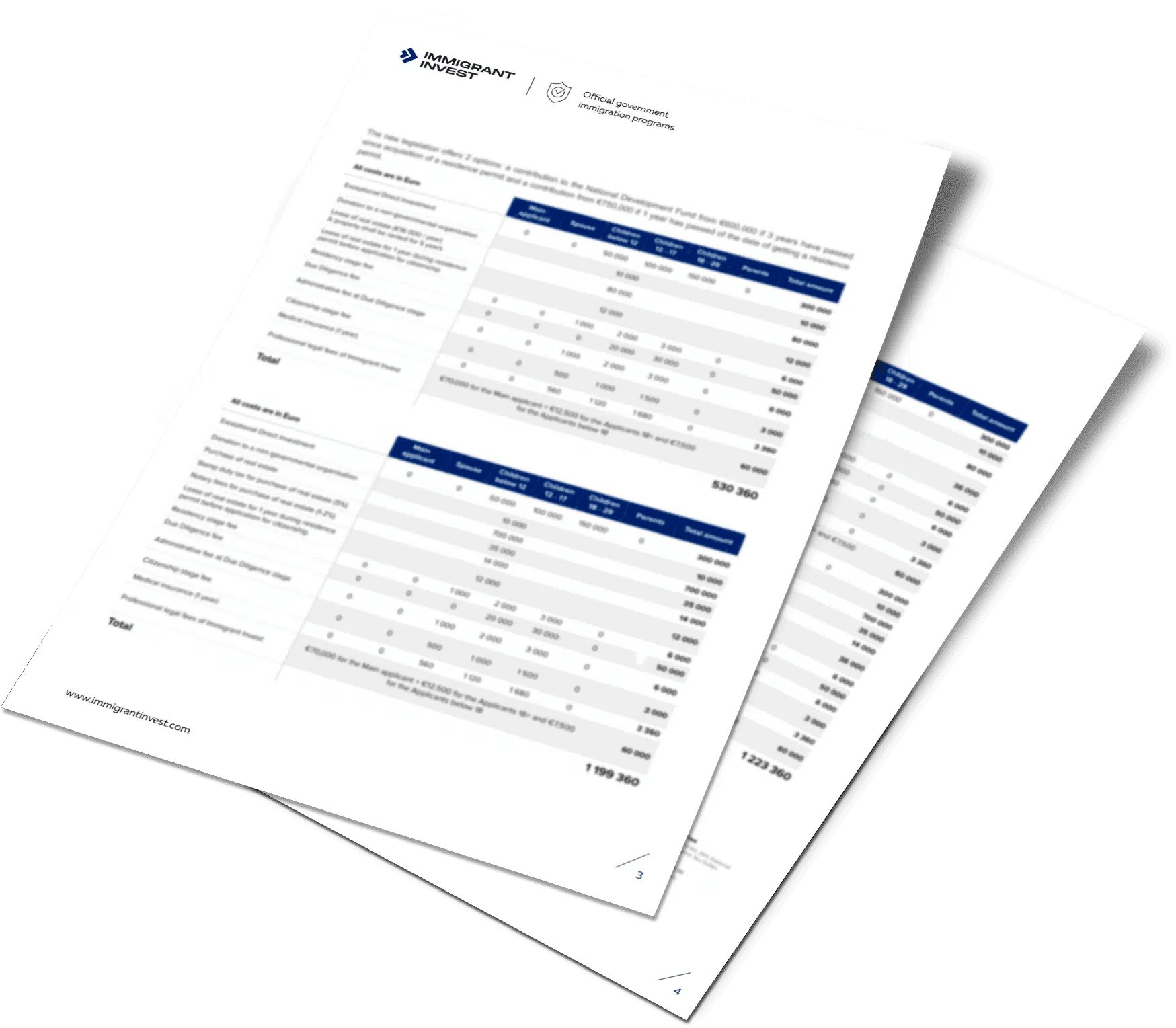
Portugal D7 visa cost for Indian investors
The cost of the Portugal D7 visa application depends on the number of applicants and the property chosen. If the applicant buys property, they pay the stamp duty and the property tax.
How to apply for the Portugal D7 visa from India: step-by-step procedure
The process of applying for the D7 visa Portugal consists of several steps and takes about 6–8 months. Once an Indian citizen obtains the D7 visa and visits Portugal, they can apply for a residence permit.
1 day
Run a Due Diligence check
For this step, only the applicant’s passport is needed. An Anti Money Laundering Officer performs a preliminary Due Diligence check. It is obligatory and takes 1 day; the results are confidential. The Due Diligence check helps reduce the rejection risk to 1%.
For this step, only the applicant’s passport is needed. An Anti Money Laundering Officer performs a preliminary Due Diligence check. It is obligatory and takes 1 day; the results are confidential. The Due Diligence check helps reduce the rejection risk to 1%.
1–2 weeks
Get NIF number in Portugal
Applicants need a taxpayer number in Portugal — NIF, Número de Identificação Fiscal. It allows them to open a bank account and buy or rent property in the country. Applicants from India can do it remotely through a tax representative in Portugal.
Applicants need a taxpayer number in Portugal — NIF, Número de Identificação Fiscal. It allows them to open a bank account and buy or rent property in the country. Applicants from India can do it remotely through a tax representative in Portugal.
2+ weeks
Purchase or rent housing in Portugal
Applicants can choose property remotely from India or travel to Portugal. Buying housing takes up to 2 months; renting is faster. It takes several days to choose and rent property in Portugal.
Applicants can choose property remotely from India or travel to Portugal. Buying housing takes up to 2 months; renting is faster. It takes several days to choose and rent property in Portugal.
1 month
Open a Portuguese bank account
An applicant needs their NIF number and passport to open a bank account in Portugal. In some cases, documents confirming the legality of income may be required.
This step is remote; Indian applicants can open their bank accounts via Immigrant Invest’s lawyer and transfer the sum needed for the application.
An applicant needs their NIF number and passport to open a bank account in Portugal. In some cases, documents confirming the legality of income may be required.
This step is remote; Indian applicants can open their bank accounts via Immigrant Invest’s lawyer and transfer the sum needed for the application.
2–3 weeks
Collect documents and make an appointment in the Portuguese Consulate
Once the documents are collected, applicants visit the Portugal Consulate to submit their application.
To do it, they make an appointment at the Portugal Consulate beforehand. The process can take more than 3 weeks; the wait time depends on how busy the Portugal Consulate is.
Once the documents are collected, applicants visit the Portugal Consulate to submit their application.
To do it, they make an appointment at the Portugal Consulate beforehand. The process can take more than 3 weeks; the wait time depends on how busy the Portugal Consulate is.
2–4 months
Wait for the application to be approved
Once an applicant submits their documents, the application process is started. The Portugal D7 visa is usually issued within 60 days after the application.
Once an applicant submits their documents, the application process is started. The Portugal D7 visa is usually issued within 60 days after the application.
Go to Portugal with a D7 visa valid for 4 months
The Portugal D7 visa for Indians is valid for 4 months. During this period, Indian citizens can enter the country. The visa holders can live but cannot work in the country — to work, they must apply for a residence permit.
The Portugal D7 visa for Indians is valid for 4 months. During this period, Indian citizens can enter the country. The visa holders can live but cannot work in the country — to work, they must apply for a residence permit.
2–3 weeks
Apply for residence permit in Portugal
An applicant personally submits the application for a residence permit in Portugal by visiting the Portuguese Migrations Service (SEF). An Immigrant Invest lawyer assists them throughout the process.
An applicant personally submits the application for a residence permit in Portugal by visiting the Portuguese Migrations Service (SEF). An Immigrant Invest lawyer assists them throughout the process.
3+ weeks
Get a residence permit card
After the application is approved, the Portugal D7 visa holder receives their residence permit cards by the Portuguese post services. To receive their card, Indian citizens specify their Portuguese address.
After the application is approved, the Portugal D7 visa holder receives their residence permit cards by the Portuguese post services. To receive their card, Indian citizens specify their Portuguese address.
Is there any other way to immigrate to Portugal from India?
Yes, there are other paths to obtaining a Portuguese residence permit. Indian nationals can move to Portugal on a job seeker or a student visa. In addition, investors from India can choose Portugal Golden Visa.
Portugal Golden Visa requires an investment of at least €250,000 in Portugal’s real estate, fund shares, business, cultural and scientific projects — or a transfer capital to Portugal.
The key difference between the D7 visa and the Golden Visa is that D7 visa applicants are not required to invest directly in Portugal’s economy, making it a lot cheaper.
Furthermore, D7 visa holders must spend at least 6 consecutive months or 8 months a year in Portugal to retain the status. Golden Visa holders only need to stay in Portugal for 7 days a year.
In short, the Golden Visa is a much more expensive way to get a residence permit in Portugal but one that obliges investors to spend only 7 days a year in the country.
Summary
- Portugal D7 visa allows Indian citizens with a stable income of at least €920 a month to obtain a residence permit in Portugal.
- To qualify, an applicant should have a legal and stable income outside Portugal — for example, remote work in India. Pension, dividends, and rental income are also suitable.
- It is possible to include family members in the application. The minimum sum needed to apply for the D7 visa will differ in this case. The income for a spouse is 50% of the main applicant's and the income for a child is 30% of the main applicant's.
- The Portugal D7 visa application is usually processed within 60 days and is valid for 4 months.
- The Portugal D7 visa for Indians is a pathway to obtaining a residence permit in Portugal. After 5 years of holding a temporary residence permit, Indian citizens can apply for permanent residence in Portugal.

 Trusted by 10,000+ investors