








Portugal does not grant permanent residence by investment. To obtain permanent status or citizenship, foreigners live in Portugal for 5 years with a residence permit.
Residence permit cards are issued for 2 years and can be extended for 3 more years. To prolong a residence permit obtained, say, after a D7 visa, one needs to live in Portugal for at least 8 months a year.
However, Golden Visa holders can spend 7 days a year in Portugal to be able to renew their residence permit and later apply for permanent residency.
What is permanent residency in Portugal and who is eligible
Legally, permanent residence is a long-term residence permit. It is granted for life in Portugal, but the residency card is to be renewed every five years — or more frequently if the resident’s data changes.
The conditions for obtaining a Portuguese permanent residence card are regulated by Law No. 23/2007: “On the legal regime for the entry, stay, exit, and expulsion of foreigners from the territory of the country.”
A foreigner can usually obtain permanent residence in Portugal if they meet five legal requirements:
- hold a Portuguese residence permit for five years;
- have not been convicted or imprisoned for more than a year within the last five years;
- are solvent residents;
- rent or own property in Portugal;
- passed the Portuguese language exam at a basic A2 level.
For those holding a temporary residence permit issued after a D-type visa, the requirement is to either spend a continuous stretch of 1.5 years or a total of 16 months within a two-year timeframe in Portugal. Once this period is completed, they're eligible to renew their residence permit for an additional three years.
To qualify for permanent residence or citizenship after this extension, residing in Portugal for either a continuous period of 2.5 years or a total of 28 months within those three years is necessary. However, there is an exception to this rule.
Golden Visa holders have a much lighter requirement: just spending 7 days a year in Portugal is enough to maintain their residency status.
5 benefits of Portugal permanent residence
Permanent residence in Portugal nearly mirrors the rights afforded by citizenship. Residents enjoy the freedom to live, work, study, and enter Portugal without restriction.
1. Citizenship in the EU. Holders of Portuguese permanent residence permits can apply for citizenship. This status enables individuals to vote in elections, serve in public office, and enjoy other civic privileges within Portugal and across the European Union.
2. Extended business opportunities. Portuguese residents have the opportunity to conduct business across the European Union, receive income from renting out real estate, and keep their capital in European banks.
Portugal is an international start-up hub. The country has six hubs among the 125 most innovative in Europe, according to Europe’s Leading Start-up Hubs ranking by Financial Times.
3. High-quality medicine. To access public and private healthcare in Portugal, residents must register with the National Health Service and receive a Cartão de Utente, essential for all hospital or pharmacy visits.
Residents contributing to the Portuguese Social Security Fund are eligible for free or subsidised medical treatments. Certain services, like specific diagnostics and check-ups, may incur additional charges.
4. Visa-free travel within the Schengen area. Portugal residents can travel without visas to the countries of the Schengen area and can stay there for up to 90 days in 180 days.
5. Free education for children. The country’s permanent residents can enrol their children in state kindergartens or schools, and they can enter some Portuguese universities without a tuition fee. Diplomas from Portugal’s universities are recognised worldwide, including in other EU countries.
Students of certain Portuguese universities can obtain double degrees if they choose international study programs that Portugal and the UK have developed together.
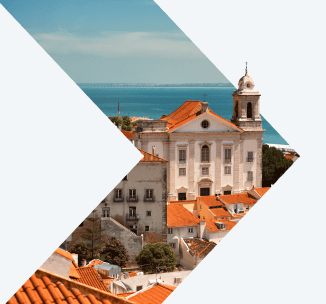
Portugal is a tasty morsel for expats, owing to its overall safety, lower cost of living, and festive lifestyle
Pathways to obtaining a permanent residence permit in Portugal
Before qualifying for permanent residency in Portugal, foreigners must first obtain a temporary residence permit. There are several ways to do so; here’s the most popular and convenient.
Getting employed. A residence permit is issued to individuals employed by a Portuguese employer, who must then submit all necessary documents to prove their employment status.
Being a qualified specialist. A residence permit in Portugal is granted to foreign employees who have a contract with any research organisation. Qualified specialists, such as university professors, scientists, and researchers working with any research organisation, can also apply. Despite the abolition of the NHR tax status in 2024, these professionals may still qualify for certain tax advantages.
Getting a D8 visa for Digital Nomads. Entrepreneurs or self-employed can secure a residence permit via the D8 visa by proving a monthly income of at least €3,480 and securing accommodation in Portugal.
Opening a company. Entrepreneurs wishing to become residents must start a business in Portugal and register it with the Portuguese Tax Authority.
Enrolling in a Portuguese school or university or interning at a local company. Students and interns at local companies can receive a residence permit valid for one year, renewable annually. Post-graduation, to remain in Portugal, they must secure employment.
Getting a D7 visa for financially independent persons. The D7 visa caters to individuals with a stable passive income of at least €870 per month, requiring proof of income and property ownership or rental in Portugal.
Volunteering. Foreigners can participate in European Solidarity Corps (ESC) programs. These are international volunteer programs of the European Union for young people aged 18 to 30.
Volunteering through ESC is free for participants. The purpose of the programs is to promote the ideas of solidarity and tolerance, strengthen international partnerships, help young people develop personally and professionally, and gain new experiences and skills.
As of 2024, Portugal is offering 128 volunteer projects, from working in schools to participating in various social events, such as concerts for people with disabilities. To become a volunteer, you first need to write a motivation letter and then undergo an interview.
Volunteers from other countries must first obtain a visa and secure health insurance. Portugal issues a volunteer residence permit for a year; it cannot be extended.
Reuniting with family. A foreigner can apply for reunification if their relative has already received a residence permit in Portugal. It applies to the resident's:
- spouse;
- minor children;
- adult children who are unmarried, financially dependent, and studying at Portuguese universities;
- spouses’ parents, provided that they are financially dependent;
- minor siblings if they are financially dependent.
One can also reunite with a partner if the marriage is not registered yet. However, in this case, the partners will have to prove that this is not a sham marriage.
Confirming refugee status. Refugees claiming persecution for religious or political reasons must undergo a formal asylum request process in Portugal.
Getting a Golden Visa. Investors are eligible to apply for a residence permit by investment by choosing one of the following options:
- purchasing investment fund shares — €500,000;
- investing in art and cultural heritage — €250,000;
- investing in research projects — €500,000;
- making a business investment with the creation of 5 jobs — €500,000;
- opening a company and creating 10 jobs.
Holders of a Golden Visa are not required to reside in Portugal. Investors need only spend a minimum of 7 days annually in Portugal. After 5 years, they become eligible to apply for permanent residence or citizenship.
Comparison of different residency type in Portugal
What documents are needed to obtain permanent residence in Portugal
To obtain a permanent residence card in Portugal, foreigners must submit the following documents to the Agency for Integration, Migration, and Asylum (AIMA):
- two colour passport-sized photos;
- a valid travel document;
- a bank account statement showing sufficient funds;
- health insurance;
- a lease or sale agreement for property in Portugal;
- certificate demonstrating basic proficiency in Portuguese;
- permission for the review of any criminal records;
- tax information;
- documents proving residency in the country for five years.
How to get Portugal PR after a Golden Visa: a step-by-step process
Investors initially receive a residence permit, known as a Golden Visa. For transition to permanent residency, they must maintain their residence status for five years, demonstrate language proficiency, and then apply for PR.
8 to 10 months
Getting a Golden Visa
Application processing at AIMA takes most of the time, as the agency must examine all the investors’ documents to confirm their identity and reliability.
Application processing at AIMA takes most of the time, as the agency must examine all the investors’ documents to confirm their identity and reliability.
Every 2 years
Maintaining the residence status
The Golden Visa, initially valid for two years, is extendable for two more years each time. Investors must prove ongoing compliance with the investment conditions, including asset ownership, a clean criminal record, and a minimum annual stay of seven days in Portugal.
The Golden Visa, initially valid for two years, is extendable for two more years each time. Investors must prove ongoing compliance with the investment conditions, including asset ownership, a clean criminal record, and a minimum annual stay of seven days in Portugal.
Up to a year
Processing a PR application
The processing time depends on the application queue at the Institute of Registries and Notary (IRN).
Within two weeks of approval, the PR card is mailed to the applicant’s registered Portuguese address. This ID card can be used in Portugal and for travelling within the Schengen Area.
The processing time depends on the application queue at the Institute of Registries and Notary (IRN).
Within two weeks of approval, the PR card is mailed to the applicant’s registered Portuguese address. This ID card can be used in Portugal and for travelling within the Schengen Area.
What makes Portugal an attractive destination for relocation
Portugal is celebrated for its pleasantly warm climate and safe, comfortable environment, which are ideal for family life. In 2023, the country was ranked 7th in the Global Peace Index.
The cost of living is generally lower than in many other EU countries, offering an affordable lifestyle. Groceries, especially fresh, high-quality vegetables, fruits, and daily-delivered seafood, are available year-round.
The Portuguese are known for their kind and welcoming attitude towards immigrants, demonstrating friendliness and readiness to assist. Foreigners constitute approximately 8% of the population, with the majority residing in cities such as Lisbon, Porto, and Coimbra.
Portugal is a haven for beach holidays, water sports, scenic hikes, and city sightseeing. It also boasts large trade centres, quaint cafes, and unique souvenir shops.

In local eateries, musicians frequently play "fado," a traditional Portuguese genre symbolising "fate" with lyrics that embrace life's hardships. Despite this, the Portuguese spirit is notably cheerful
Best cities to move to in Portugal
Portugal offers a wide range of convenient cities for relocation, each with its own unique charm, culture, and lifestyle.
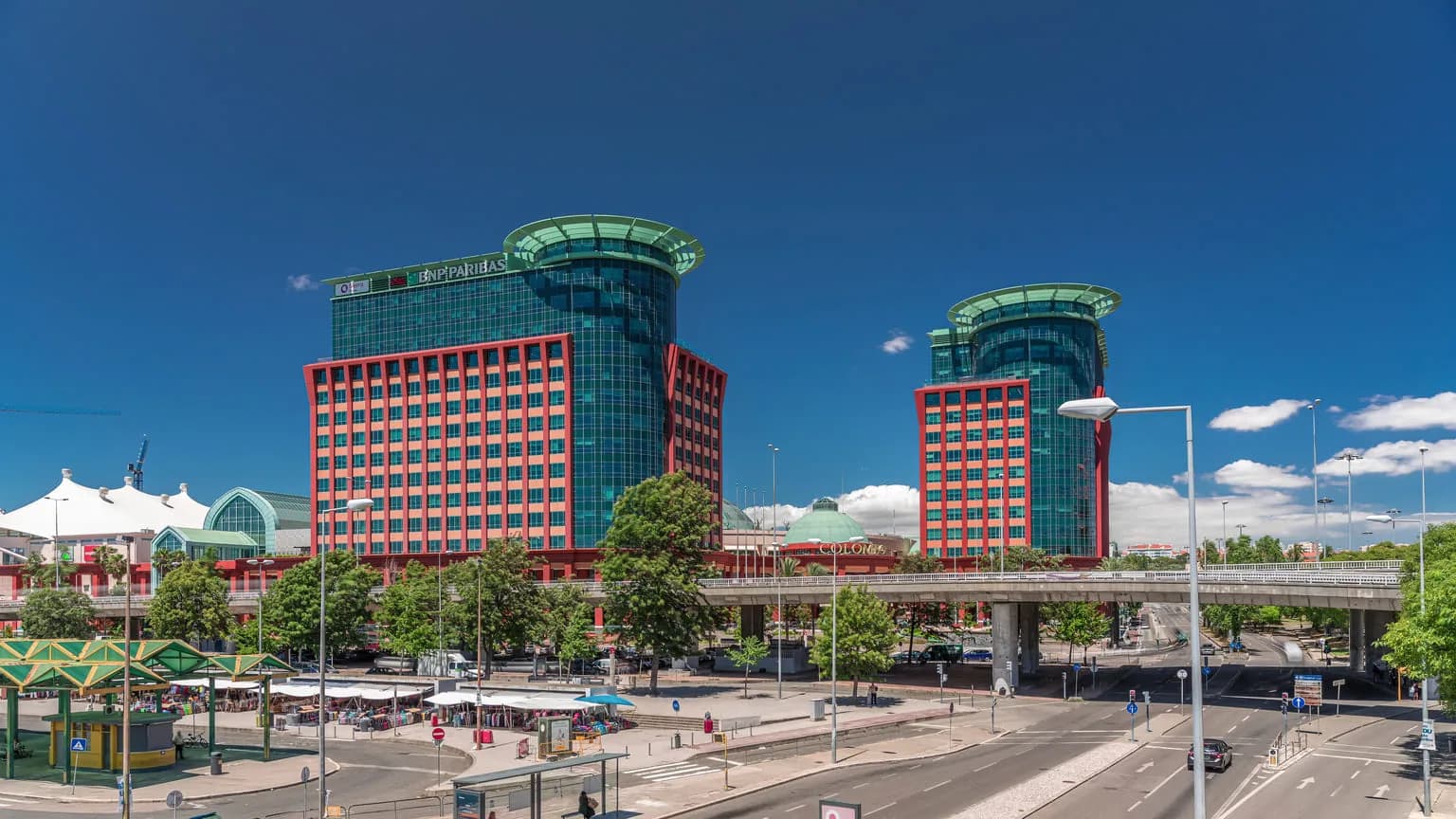
Lisbon. Portugal's capital city, Lisbon, is expat-friendly, cosmopolitan, and rich in history. It offers a lively cultural scene, stunning architecture, delicious cuisine, and proximity to beautiful beaches.
However, Lisbon is probably the most expensive city in the country. Property prices in Lisbon increased by 5.8% over the year. Real estate prices in Lisbon start at €5,400 per square metre.
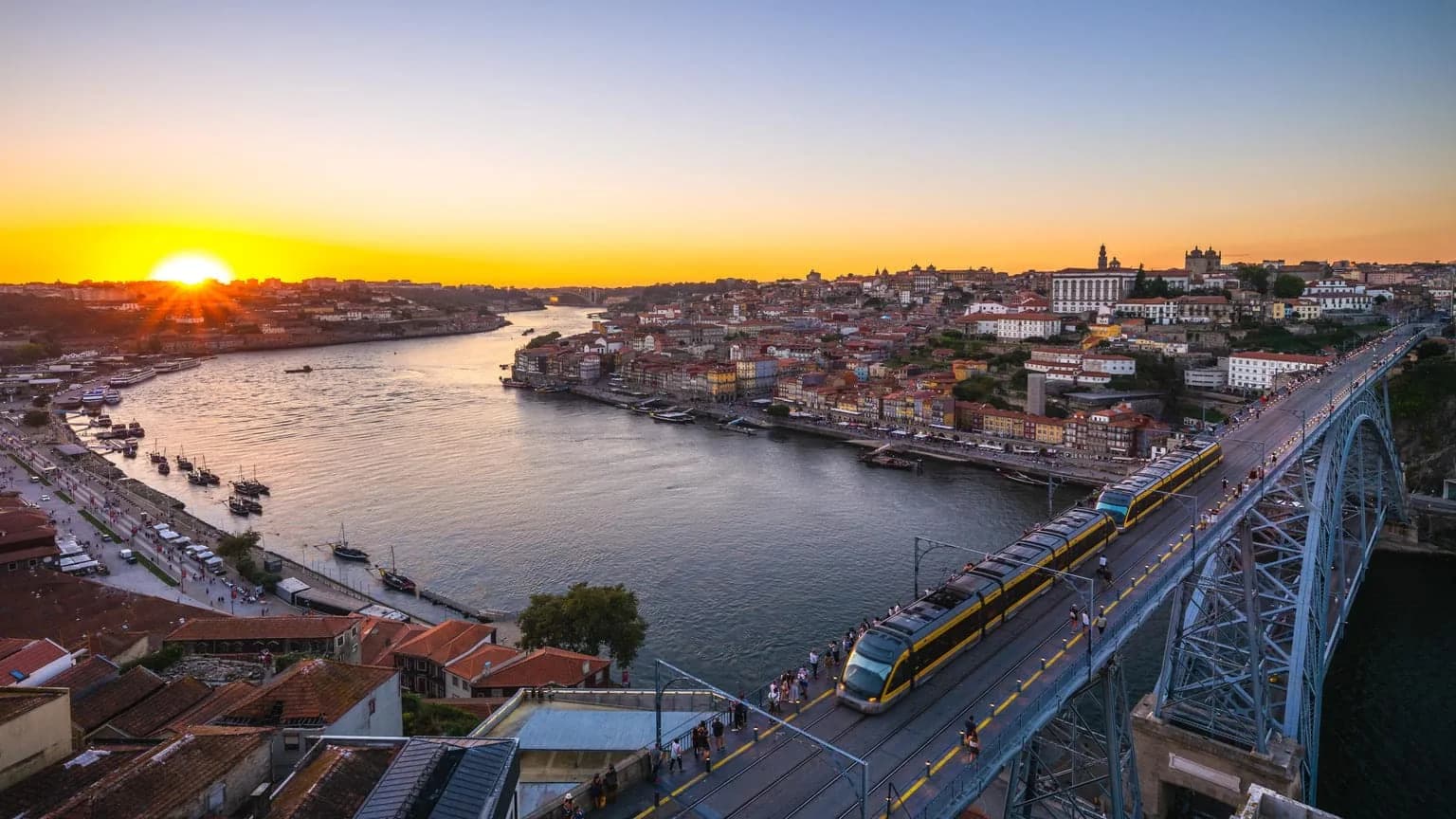
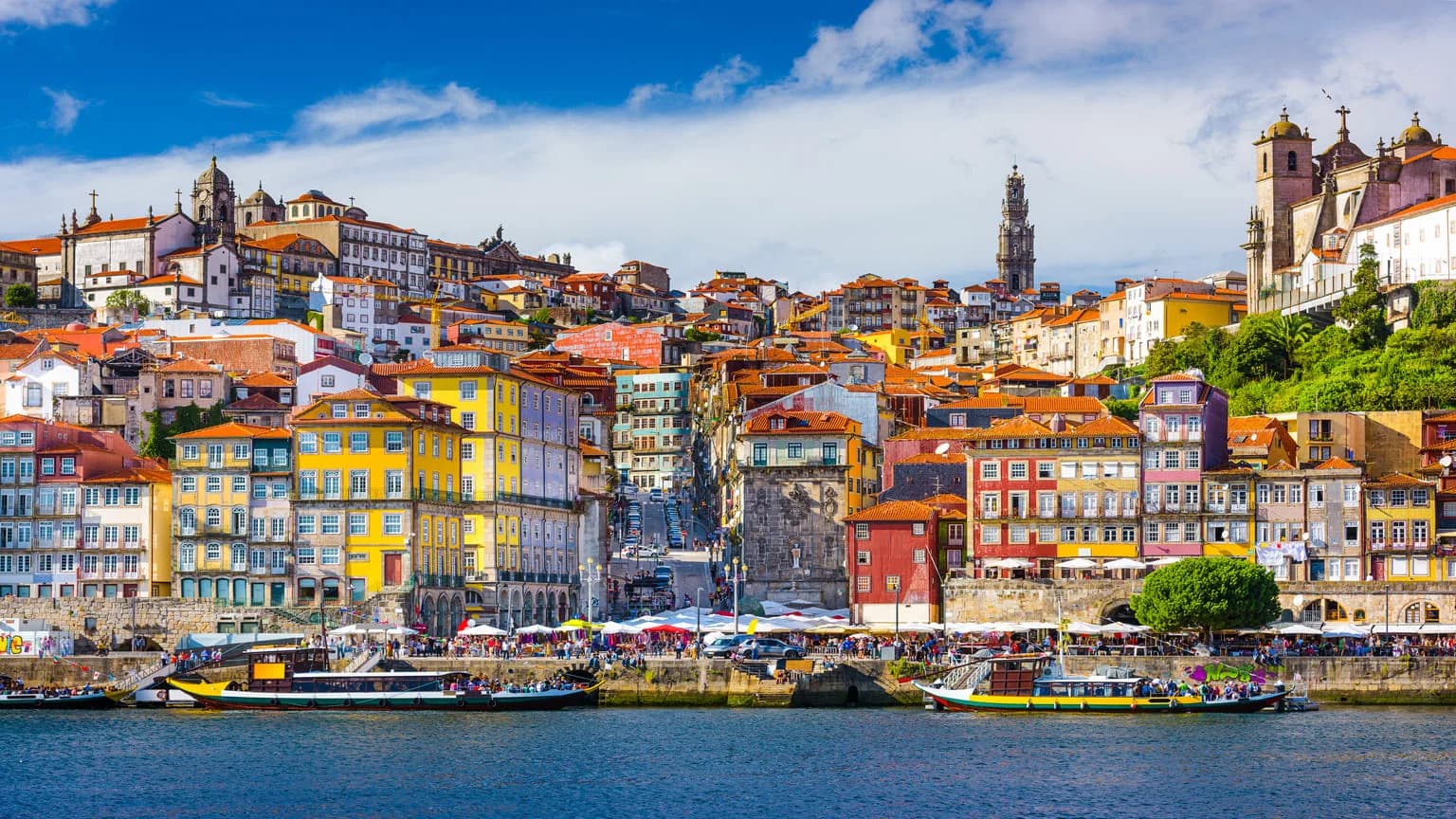
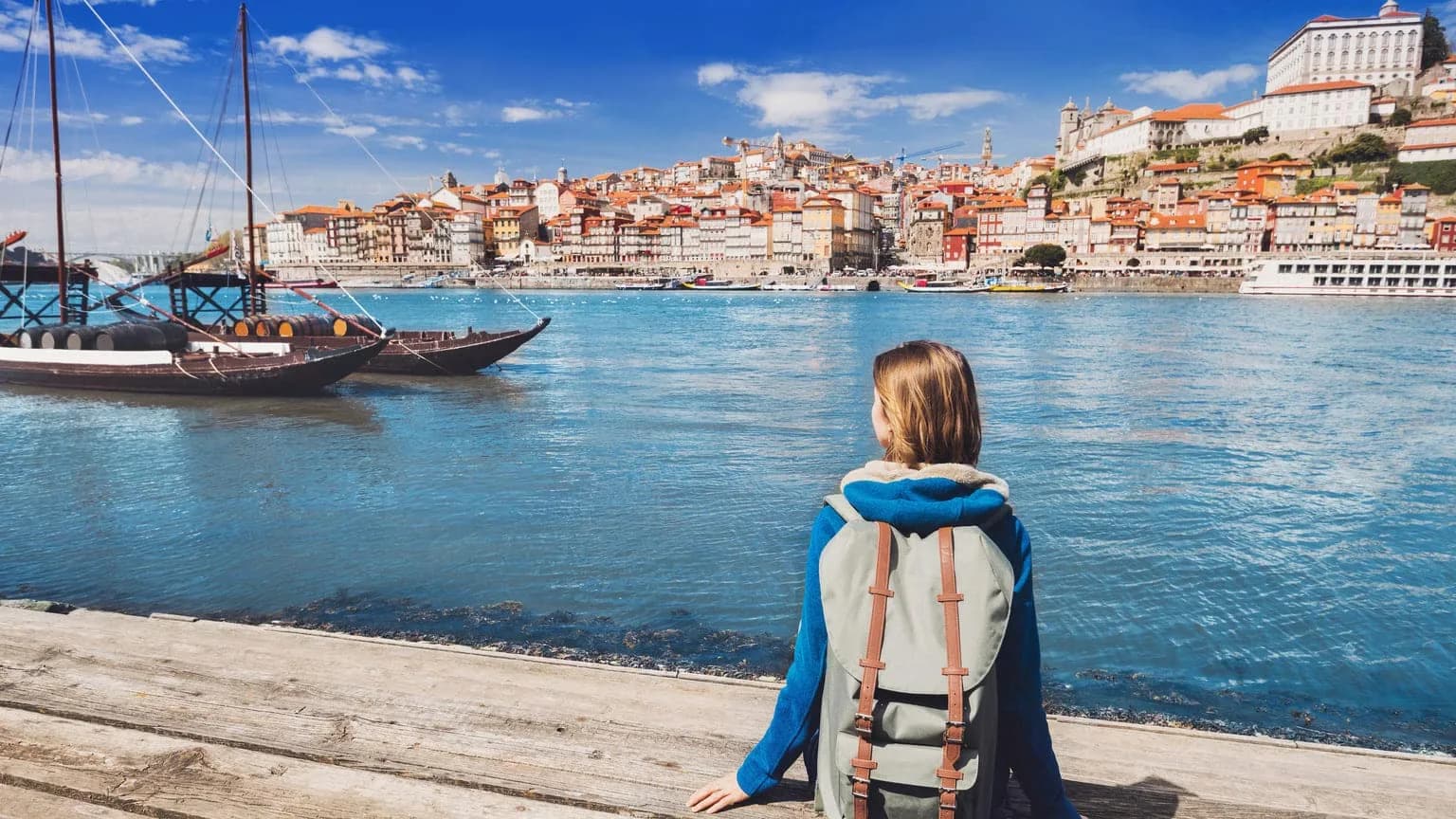
Porto. Located in the north of Portugal, Porto is known for its charming old town, historic landmarks, and the famous Douro River. It's a hub for culture, gastronomy, and port wine. Porto is a bit more affordable than Lisbon, with real estate starting prices ranging from €3,000 to €5,000 per square metre.
Faro. Faro is the gateway to the Algarve region in southern Portugal. It boasts beautiful beaches with Blue Flags, a charming old town, and easy access to stunning natural landscapes. Property prices start at €2,400 per square metre.
Aveiro. Often referred to as the “Venice of Portugal” because of its network of canals, Aveiro is a charming city known for its colourful Moliceiro boats, Art Nouveau architecture, and delicious seafood. Property prices in Aveiro start at €3,500 per square metre.
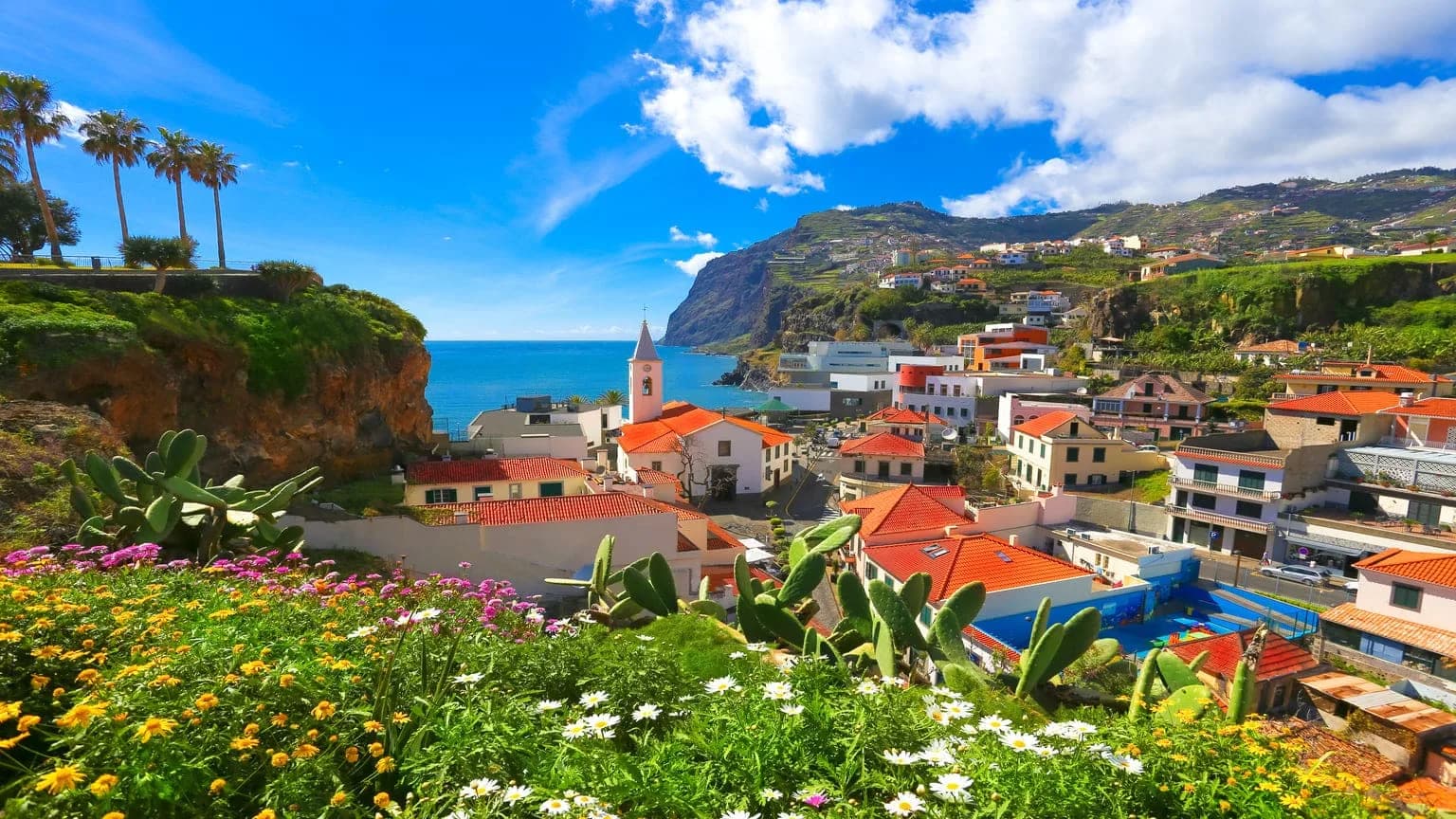
Funchal. If you're considering island life, Funchal, located on the island of Madeira, offers a mild climate, breathtaking scenery, and a relaxed lifestyle. It's known for its botanical gardens, historic sites, and vibrant culture. Property prices start at €3,600 per square metre.
Despite being an expensive destination, Funchal offers its residents the opportunity to use an NHR tax regime even after its abolishment in 2024. Madeira's tax residents can pay a personal income tax at a fixed rate of 20%.
Are you a perfect fit for the Portugal D7 Visa?
Discover your eligibility with our simple quiz!
How to get Portugal citizenship
Foreigners can obtain Portuguese citizenship by birth, naturalisation, or marriage, and since 2015, Sephardic Jews can also apply, provided they meet specific criteria.
Citizenship by birth is granted to children if:
- at least one of their parents is Portuguese;
- they were born to non-Portuguese parents, one of which has resided in Portugal for at least 1 year;
- they are adopted by Portuguese citizens.
Citizenship by marriage is obtained after three years of marriage, with rigorous checks to prevent sham marriages.
Sephardic Jews must prove their sub-ethnic group membership, gain approval from the Jewish community, and reside in Portugal for 3 years.
To obtain citizenship by naturalisation, foreigners must reside in Portugal for five years, have a clean criminal record, and demonstrate proficiency in the Portuguese language.
In March 2024, Portugal unveiled significant updates to its citizenship application procedures, marking a pivotal shift in how eligibility timelines are calculated. These changes, effective from March 6th, 2024, are outlined in Organic Law No. 1/2024.
The new guidelines shorten the path to Portuguese citizenship by starting the eligibility countdown when one applies for a residence permit, not when it's granted. This change offers a clearer and potentially quicker timeline for meeting citizenship requirements, eliminating the uncertainties of extended waiting periods due to varying permit processing times.
To apply for citizenship, one needs a minimum of documents. The list includes:
- valid identification, such as a residence permit card;
- a birth certificate;
- police clearance;
- a certificate confirming proficiency in Portuguese;
- a completed citizenship application form.
Holding a Portuguese passport affords all national rights and responsibilities, along with visa-free access to 172 countries, enhancing global travel opportunities.
Obtaining permanent residence in Portugal — a summary
- Legally, permanent residence is a long-term residence permit. It grants the holder the right to live in Portugal indefinitely, subject to renewal conditions.
- Foreigners must reside in Portugal for 5 years with a residence permit to qualify for permanent status or citizenship.
- There are plenty of ways to become a Portuguese resident. One popular method is obtaining a D visa, such as the D7, another is getting a Golden Visa by making an investment of at least €250,000.
- As of March 2024, Portugal has updated the PR application rules, allowing applications 5 years after the residence permit request, not after its issuance.
- The permanent residency card must be renewed every five years or sooner if there are changes to the resident's personal data.


 Trusted by 10,000+ investors