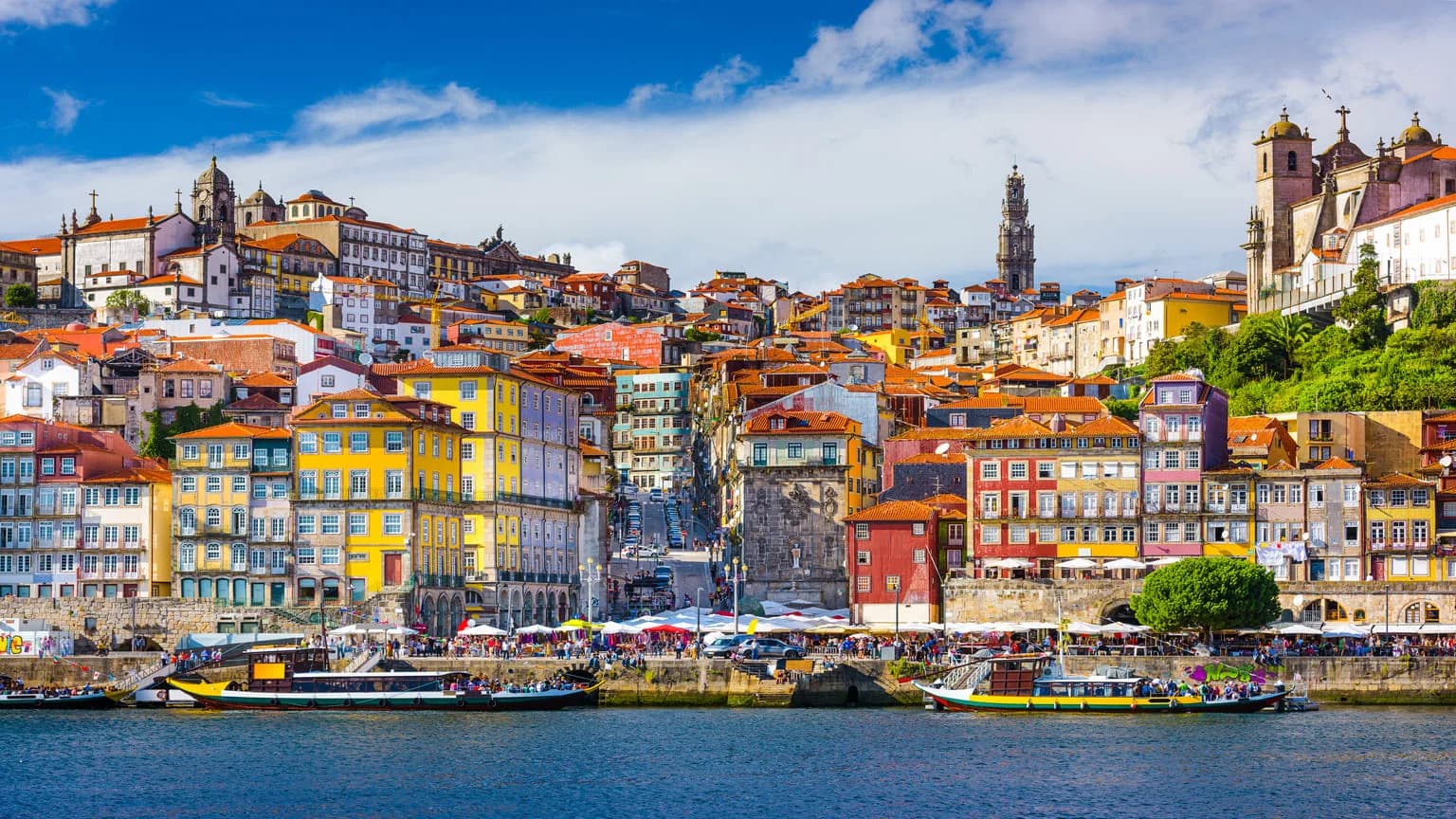










Americans make up around 22% of the foreign population in Portugal. It is one of the top European destinations for US expats. Portugal is known for its warm climate, affordable cost of living, and high quality of life. It offers a peaceful environment with a calmer life filled with joy.
This guide explains what Americans need to know about relocating to Portugal: residence permit options, cost of living, and practical tips for settling into life in Portugal.
7 reasons why Americans move to Portugal
1. Lower cost of living. Maintaining the same standard of living in Portugal requires about 70% less spending than in the US. Rent for a three-bedroom apartment in the city center is around €1,630 in Portugal, while in the US, it exceeds €3,830. Expenses for basic utilities for an 85 m² apartment are €116 in Portugal compared to approximately €196 in the US.
2. Safety. Portugal ranks 7th among 163 countries on the Global Peace Index 2024, making it one of the safest and most peaceful nations in the world. The country has low crime rates and a high level of safety for residents. Many US expats report feeling safer in Portugal, as concerns such as robbery or gun violence are minimal.
Portugal maintains peaceful relations domestically and internationally, with very few conflicts, low military expenditures, and a minimal presence of armed forces.
3. Residency options. Portugal provides several residency options for US citizens, allowing for long‑term residence. Investors, remote workers, entrepreneurs, pensioners, and others can obtain residence permits tailored to their needs.
Investors benefit from the Golden Visa. By contributing at least €250,000 to the Portuguese economy, they and their families gain residency.
After 5 years of residence, investors become eligible for citizenship. To qualify, applicants must:
- maintain their investment for the entire 5-year period;
- have no criminal convictions;
- demonstrate A2-level Portuguese language proficiency.
Only 7 days of annual physical presence in Portugal are required to maintain eligibility.
4. Less stressful life. Americans move to Portugal to escape the stress of a workaholic lifestyle in the US and enjoy a better work‑life balance. While it can be challenging to adjust at first, many expats eventually embrace the slower pace and peaceful environment.
US expats working in Portugal value the short commutes and generous paid vacation, which averages around a month annually. This contrasts sharply with the US, where paid vacation is typically just 11 days per year.
5. Welcoming culture and English-speaking environment. Portugal ranks 12th in the Expat Insider Survey as one of the easiest countries to settle in. Foreigners often feel welcome and at home, quickly adapting to the local culture. Many US expats, in particular, value how easy it is to engage in small talk with neighbours and interact with local workers.
The widespread use of English is another advantage for Americans. Portugal ranks 6th globally in the 2024 EF English Proficiency Index, reflecting the country's strong focus on English education and its integration into daily life and various sectors.
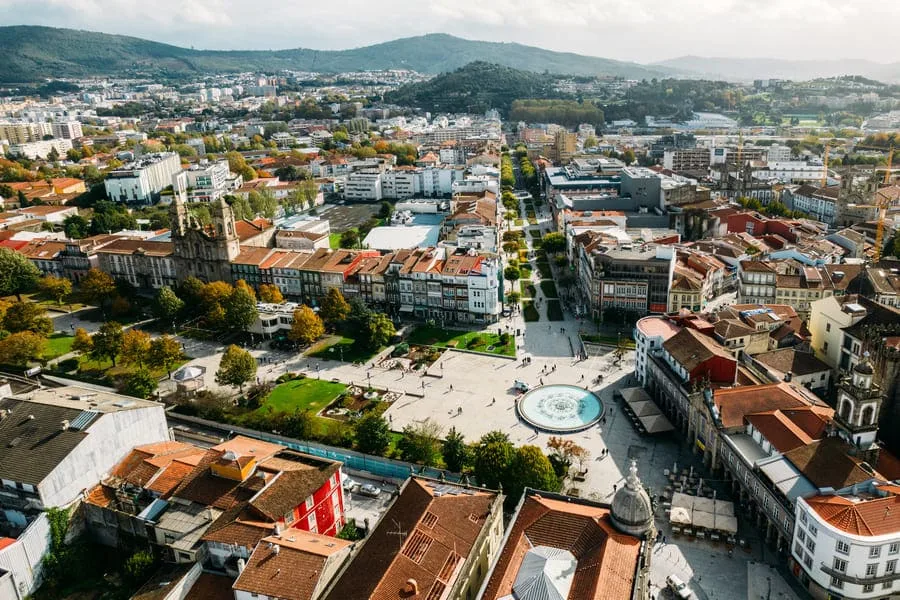
Within Portugal, the city of Braga leads in English proficiency, followed by Coimbra and Lisbon
6. Affordable healthcare and education. Portuguese residents benefit from free public healthcare, which includes specialists’ consultations and preventive care.
For those who prefer private healthcare, insurance premiums are affordable, ranging from €28 to 95 per month. In the US, private insurance costs are significantly higher, ranging from €285 to 1,150 per month.
Higher education in Portugal is also more affordable. Undergraduate tuition fees range from €3,060 to 7,090 per year. In contrast, tuition in the US starts at €9,500 annually and can exceed €67,100. Many institutions, such as the University of Lisbon, the University of Porto, and NOVA University, offer programs in English.
7. Climate and beautiful nature. Portugal ranks 5th globally for environment and climate in the Expat Insider Survey. Expats enjoy the warm weather, with many American residents highlighting the excellent beaches, stunning scenery, and fantastic climate.
The favorable weather allows for year-round recreational activities like surfing, sailing, and hiking, making Portugal a haven for outdoor enthusiasts.
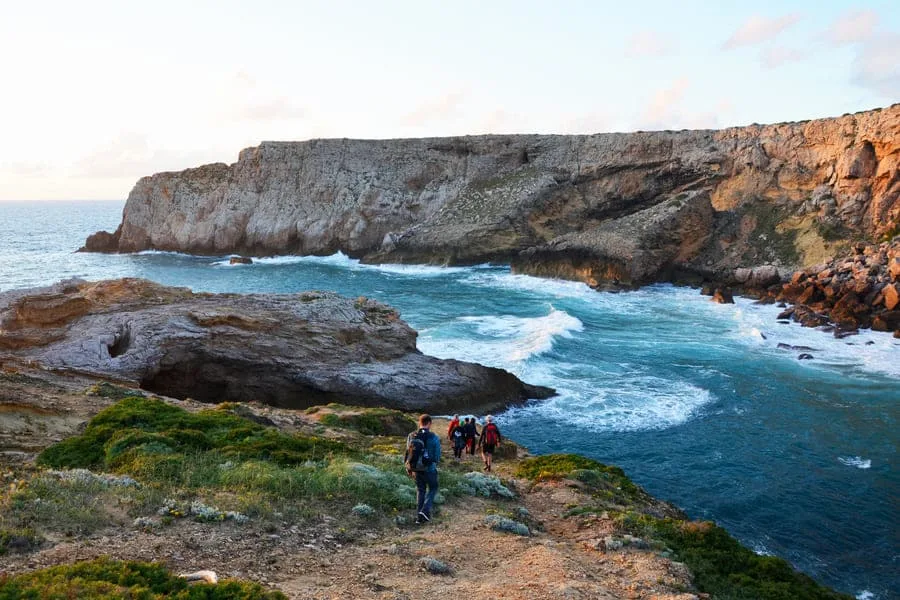
Natural landscapes are close to Portuguese cities, making it easy to enjoy an impromptu picnic or a romantic evening talk with friends by the ocean
Residency options in Portugal for Americans
Portugal offers various visas that allow its holders to obtain residence permits. There are options for investors, digital nomads, financially independent individuals, entrepreneurs, students, and relatives of Portuguese citizens.
The Golden Visa enables American investors to obtain residency by contributing at least €250,000 to the Portuguese economy. The main applicant's spouse, children under 26, and parents are also eligible to join the investor’s application. They can work, study, and run businesses in Portugal.
Investors can choose from five options, such as supporting arts and cultural heritage, financing research activities, purchasing investment fund units, opening a company, and investing in an existing business.
The most popular option is purchasing investment fund units for a minimum of €500,000, with the investment typically returned in 6—10 years.
D1 Visa is a residence permit for employees of Portuguese companies. Applicants must provide a valid labor contract to qualify.
D2 Visa is designed for entrepreneurs planning to run a business in Portugal, either by starting a new venture or investing in an existing one. Applicants must submit a business plan, show savings, and rent or purchase real estate in Portugal.
The Portugal Startup Visa is a subcategory of the D2 Visa for entrepreneurs launching innovative projects. While there is no minimum capital requirement for opening a company, applicants must have at least €11,040 in their bank account.
D3 Visa is issued to highly qualified professionals such as engineers, doctors, and scientists. Applicants must provide an employment contract lasting at least one year, hold a higher‑education diploma from a recognized institution, and earn at least €2,157 per month.
D4 and D5 Visas are available for students enroled in higher education institutes in Portugal. The D4 Visa is issued for full-time studies, academic research, vocational training, professional internships, or voluntary service. The D5 is designed for students who began their education in another EU country and wish to continue or complete it in Portugal.
D6 Visa is for family reunification. Applicants must provide proof of family bonds, such as marriage or birth certificates. The duration of the permit depends on the primary family member's residency. Relatives of Portuguese citizens or those with permanent residency receive a 2-year permit with unlimited renewal.
D7 Visa is designed for financially independent individuals with passive income, such as dividends, interest, royalties, pensions, or rental income. A minimum monthly income of €920 is required, along with property rental or purchase in Portugal.
Family members of D7 Visa holders, including spouses, children under 21, and parents, can also obtain residency. The required income is 50% of the applicant’s for an adult and 30% for each minor child.
Are you a perfect fit for the Portugal D7 Visa?
Discover your eligibility with our simple quiz!
D8 Visa, or the Digital Nomad Visa, is for foreigners working remotely, including freelancers, employees of foreign companies, self-employed individuals, and entrepreneurs.
Applicants for the Portugal D8 Visa must prove a monthly income of at least €3,680, confirm savings of at least €11,040, and rent or buy real estate in Portugal.
Family members, including a spouse, children under 30, and parents, can also obtain residency. The required income increases by 30% per adult and 25% per child.
Portugal ranks among the top 10 countries for digital nomads, with Lisbon as a leading destination for remote workers. The city boasts excellent digital infrastructure, including fast internet and abundant Wi-Fi hotspots. Lisbon also offers a thriving community of coworking spaces, providing diverse options for professionals seeking flexible and creative work environments.
Portuguese citizenship is available after 5 years of residency, making it one of the quickest EU countries to grant passports by naturalization. Portugal permits dual citizenship, allowing US nationals to retain their original passport.
Children born in Portugal enjoy expedited naturalization, becoming citizens immediately if their parents have held Portuguese residency for at least one year before their birth.
Portuguese residency options overview
Checklist on moving to Portugal as an American
1. Choose a visa based on your purpose, such as study, work, retirement, or family reunification. Ensure you meet the eligibility requirements for the chosen pathway.
2. Gather documents. The required documents depend on the visa type. For example, digital nomads must provide a work contract, proof of remote work, and tax return statements or receipts.
Applicants for the Golden Visa must submit proof of an international and effective transfer of funds for investment, a tax identification number from their country of residence, and evidence of proper tax filing.
Basic list of required documents includes:
- passport valid for at least 6 months after the intended entry date;
- passport-sized color photos;
- visa application form;
- proof of financial sources, such as bank statements;
- health insurance valid in Portugal;
- criminal record certificate, apostilled and translated into Portuguese;
- proof of accommodation, such as a lease agreement, property ownership certificate, or a letter from a host in Portugal.
Notary and translation fees range from €500 to 2,000.
3. Apply for a national D visa. Submit your application at the Portuguese consulate in your country of permanent residency.
Processing time usually takes 2—3 months, though this may vary depending on the consulate handling the application.
Standard visas cost €90, while the Golden Visa application fee is €605.
4. Choose the city and apartments. Research towns and areas that align with your lifestyle and budget. Consider proximity to work, public transport, and amenities. Once you find a suitable apartment, ensure the lease agreement is valid, clear, and registered with local authorities.
5. Book flight tickets. One-way flights from the US to Portugal start at around €200. Prices vary depending on departure city, airline, booking time, and travel season. Booking at least 48 days in advance can save up to 8%. January often offers the lowest fares, while June sees higher prices.
6. Register and apply for a residence permit. After arriving in Portugal with a visa, register your address with the local municipal chamber, Câmara Municipal, within 90 days. Provide proof of accommodation, such as a rental contract or property ownership document, along with identification documents.
Apply for a residence permit within 3 months of arrival at the Agency for Integration, Migrations, and Asylum of Portugal, AIMA. This process typically takes 1—3 months.
Processing fees and residence card issuance fees vary by D visa type. For example, digital nomads and financially independent individuals pay €83 for processing and €72 for residence card issuance. Golden Visa applicants pay €6,045 per residence permit card per family member.
7. Transfer goods. Shipping costs depend on the volume, weight, and method. Shipping a full container ranges from €2,875 to 9,580. Reliable companies include Seven Seas Worldwide, DHL, and FedEx.
How to ease relocation to Portugal from the US with the Golden Visa
The Golden Visa is one of the simplest ways for Americans to move to Portugal, offering a streamlined path to residency. In 2023, US citizens led Golden Visa approvals, with 567 applications granted.
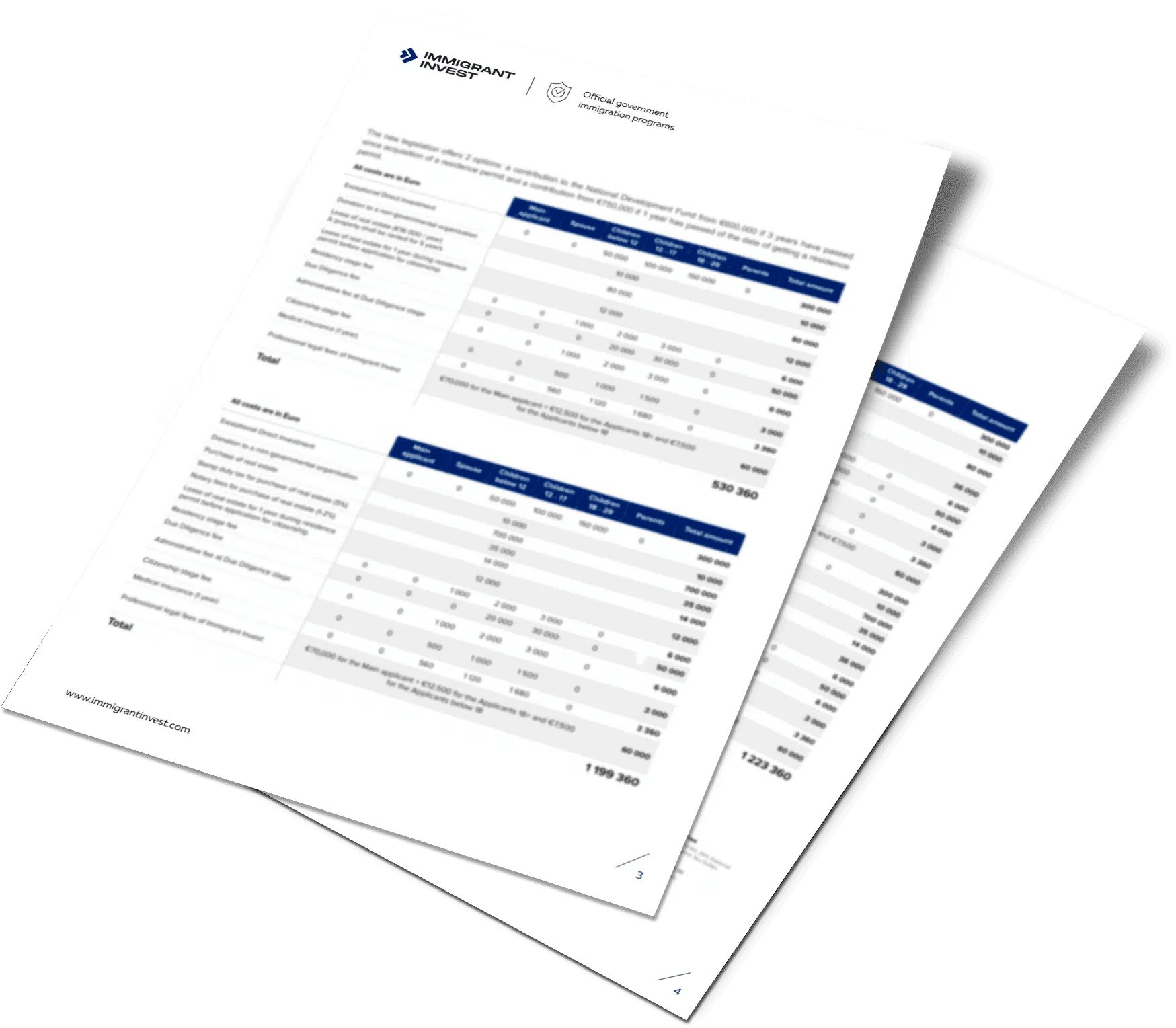
Immigrant Invest lawyers assist applicants throughout the entire process, which typically takes at least 12 months.
1 day
Preliminary Due Diligence
A certified Compliance Anti-Money Laundering Officer verifies the investor’s information against international databases. This reduces the refusal risk for a residence permit to 1%.
A certified Compliance Anti-Money Laundering Officer verifies the investor’s information against international databases. This reduces the refusal risk for a residence permit to 1%.
1—2 weeks
Obtaining a tax number
Applicants receive a unique nine-digit Número de Identificação Fiscal, NIF. The NIF is essential for opening a bank account, renting or purchasing property, and registering a business.
Applicants receive a unique nine-digit Número de Identificação Fiscal, NIF. The NIF is essential for opening a bank account, renting or purchasing property, and registering a business.
1—2 months
Opening a Portuguese bank account
The investment must be made from a Portuguese bank account. Immigrant Invest lawyers assist with account setup and activation, enabling the transfer of investment funds.
The investment must be made from a Portuguese bank account. Immigrant Invest lawyers assist with account setup and activation, enabling the transfer of investment funds.
2—3 weeks
Fulfilling the investment condition
Depending on the chosen option, the applicant purchases units of an investment fund, establishes a company and creates the required jobs, or directs the investment towards supporting the arts or science.
Lawyers collect supporting documents to verify the investment.
Depending on the chosen option, the applicant purchases units of an investment fund, establishes a company and creates the required jobs, or directs the investment towards supporting the arts or science.
Lawyers collect supporting documents to verify the investment.
5—6 months
Preparation of documents and applying for residency
Lawyers provide a personalized list of required papers, assist with completing government forms, and manage translation and notarization. Based on Immigrant Invest experience, document preparation takes up to two weeks.
Electronic copies of the documents are then submitted to AIMA, which reviews the application for a minimum of 5 months.
Lawyers provide a personalized list of required papers, assist with completing government forms, and manage translation and notarization. Based on Immigrant Invest experience, document preparation takes up to two weeks.
Electronic copies of the documents are then submitted to AIMA, which reviews the application for a minimum of 5 months.
2 weeks
Finding apartments in Portugal
Before traveling to Portugal, investors secure suitable accommodation by purchasing or renting housing. Immigrant Invest lawyers assist in finding the right option and finalising the purchase-sale or lease agreement.
Before traveling to Portugal, investors secure suitable accommodation by purchasing or renting housing. Immigrant Invest lawyers assist in finding the right option and finalising the purchase-sale or lease agreement.
1—2 weeks
Registering the address and submission of biometrics
Upon arrival in Portugal, the investor and their family register their residency at the local municipal office. This includes updating their address, obtaining a Portuguese health insurance number, and registering with the social security system.
They then submit the original documents and provide fingerprints for their residence permit cards. Appointments for biometric submission must be scheduled in advance through the electronic registration system.
Upon arrival in Portugal, the investor and their family register their residency at the local municipal office. This includes updating their address, obtaining a Portuguese health insurance number, and registering with the social security system.
They then submit the original documents and provide fingerprints for their residence permit cards. Appointments for biometric submission must be scheduled in advance through the electronic registration system.
6—8 months
Approval and acquisition of residence permit cards
AIMA reviews the investor’s documents for up to 8 months after the submission of original documents and biometric data.
Once approved, the investor pays the residence permit card fee. The cards are issued within two weeks and can be collected by the investor or their lawyer via proxy.
With residence permit cards, investors can settle in Portugal and enjoy benefits like access to healthcare, education, and the ability to work or start a business.
AIMA reviews the investor’s documents for up to 8 months after the submission of original documents and biometric data.
Once approved, the investor pays the residence permit card fee. The cards are issued within two weeks and can be collected by the investor or their lawyer via proxy.
With residence permit cards, investors can settle in Portugal and enjoy benefits like access to healthcare, education, and the ability to work or start a business.
Residency rights in Portugal
Employment. Foreigners with D1, D2, or D3 visas can access the Portuguese labor and business markets, enabling residents to work or start companies in Portugal. Golden Visa holders also have the right to work and run businesses in the country.
Individuals with a D7 or Digital Nomad Visa cannot work or start businesses in Portugal while holding these visas. However, they gain access to the labor market after achieving permanent residency or citizenship.
Public healthcare. Once registered, residents can access the Portuguese National Health System, which offers free healthcare, including primary care, hospital services, and prescriptions.
Education. Residents' children can enrol in public schools in Portugal, which provide free education. They can also attend universities with significantly lower tuition fees compared to the US.
Bank account. Portuguese residents can open Portuguese bank accounts, essential for salary deposits, utility payments, and tax compliance.
Family reunification. Residents can bring close family members, including a spouse, dependent children, and parents, to Portugal through the family reunification program.
Protection under Portuguese laws. Residents are protected by Portuguese laws, which uphold their rights in daily life. These include labor laws safeguarding workers, tenant protections ensuring fair rental practices, and consumer protection laws promoting fair business practices and product safety.
Residency obligations in Portugal
Mandatory residence. The general requirement for maintaining temporary residency in Portugal is to stay at least 183 days per year in the country. D7 Visa holders must reside for 1.5 consecutive years or at least 16 months over two years to retain their status.
Golden Visa holders enjoy more flexibility, needing to spend only 7 days per year in Portugal to maintain their residency.
Payment of taxes. US expats who reside in Portugal for more than 183 days in a year are classified as tax residents and must fulfil local tax obligations.
Personal income tax rates in Portugal are as follows:
- up to €7,479: 14.5%;
- €7,480—11,284: 23%;
- €11,285—15,992: 26.5%;
- €15,993—20,700: 28.5%;
- €20,701—26,355: 35%;
- €26,356—38,632: 37%;
- €38,633—50,483: 45%;
- above €50,483: 48%.
Corporate tax in Portugal is 21% at the national level, with additional municipal taxes of up to 1.5%.
Taxes on real estate in Portugal vary by location. Urban properties are taxed at 0.3% to 0.45%, while rural properties are taxed at 0.8%. An additional city property tax of 0.7% may apply.
Real estate capital gains are calculated as the difference between the selling price and the original purchase price, adjusted for inflation and allowable expenses. 50% of the gain is added to the resident's total taxable income, which is then subject to Portugal's progressive income tax rates.
Gains from selling securities are taxed at a flat rate of 28%, as are dividends from Portuguese or foreign companies.
The standard VAT rate is 23%, with reduced rates of 6% or 13% applying to specific items such as food, books, or healthcare.
Social security contributions. If employed or self-employed, Americans must register with the Portuguese social security system and make the necessary contributions:
- for employed — 11% of gross salary;
- for self-employed — 21.4% to 25.2% of their declared income.
Residence permit renewal. Renewal applications must be submitted within 90 days before the current permit expires. Approval requires meeting the specific conditions of the residency type. For instance, Golden Visa holders must demonstrate continued investment, while students need to provide proof of enrollment in an accredited institution and evidence of satisfactory academic progress.
Driving license exchange. After arriving in Portugal, Americans have up to 60 days to exchange their US driving license for a Portuguese one without needing to retake the driving test.
To complete the exchange, applicants must provide proof of residency, a valid US driving license, identification documents, a medical certificate, and an IMT Declaration signed by the Portuguese transport authority.

In Portugal, it is comfortable to drive a car. The country ranks 5th among 165 nations in Road Quality Index
Cost of living in Portugal
The cost of living in Portugal is significantly lower than in the US. A single person in Portugal spends around €1,430 per month, including rent for a one-bedroom apartment outside the city centre. In the US, a similar lifestyle requires at least €2,680 monthly.
Buying an apartment in Lisbon or Porto costs between €95,800 and 240,000 on average. In contrast, a one-bedroom apartment in New York costs €480,000 to 960,000, while in San Francisco, prices range from €670,000 to 1.4 million.
Beyond housing, everyday expenses such as groceries, healthcare, and utilities are notably cheaper in Portugal than in the US. Below is a detailed comparison of the cost of living in both countries.
Cost of living comparison in Portugal and the US
Top 5 places in Portugal to move from the US
1. Lisbon, the capital of Portugal, is home to 10,000—15,000 Americans, creating a welcoming environment for newcomers. English is widely spoken, with Lisbon ranking 3rd among Portuguese cities on the English Proficiency Index.
The American Club of Lisbon is a leading community group, hosting events like networking meetups and cultural activities. Lisbon Expats and Americans in Portugal also organise regular social gatherings, group outings, and informational sessions.
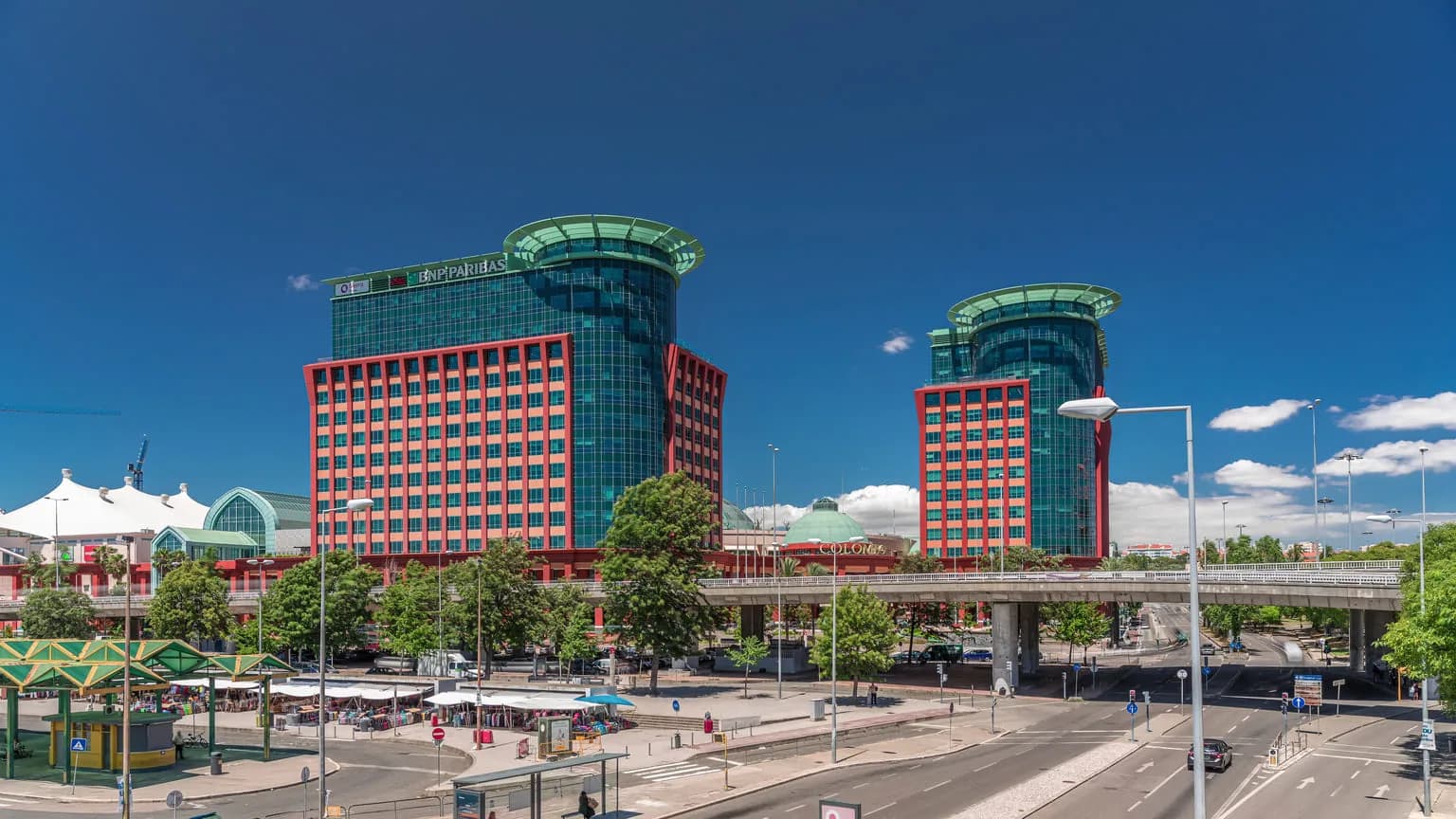
The capital combines old-world charm with modern amenities. The Alfama district, with its cobblestone streets and traditional Fado music, showcases the city’s historic appeal, while the Parque das Nações area features modern architecture, shopping malls, and high-tech infrastructure, offering a cosmopolitan vibe.
At the same time, Lisbon’s coastal location also provides easy access to stunning beaches like Praia da Adraga and Costa da Caparica, just 15—30 minutes by car. Many beaches are also accessible by bus or train within 20 minutes to 1 hour, making them perfect for quick getaways.
Lisbon is a hub for digital nomads and remote workers, offering fast, reliable internet, modern coworking spaces, and a growing tech startup scene. It is also a top destination for foreign students, with the University of Lisbon ranked 260th among 1,500 universities worldwide in the QS World University Rankings 2025.

Lisbon has a vibrant nightlife scene, offering a variety of options, from trendy rooftop bars with stunning views to traditional Fado music performances in Alfama
2. The Algarve region is a comfortable area for Americans, with 90% of the population speaking English. Social groups such as the American Club of Lisbon, with members throughout Portugal, and “Americans in Algarve” organise regular meetups, social gatherings, and informational events.
Albufeira is a bustling town with modern infrastructure, including supermarkets, medical services, and international schools. It has a dynamic atmosphere with vibrant nightlife, bars, and restaurants. Albufeira’s historic old town features cobbled streets, charming cafés, and local shops, while its beaches, like Praia dos Pescadores and Praia da Oura, stretch for miles.
Lagos attracts Americans who prefer a more tranquil and traditional, authentic atmosphere. This town offers a slower pace of life with a focus on its rich historical heritage, evident in its cobbled streets, 16th-century architecture, and cultural landmarks such as the Forte da Ponta da Bandeira. Nearby beaches, like Praia Dona Ana and Meia Praia, provide a peaceful coastal lifestyle.
Monchique, located in the western Algarve, is ideal for those seeking mountain views and a serene environment.
Vilamoura, a luxurious resort town, is a popular destination for wealthy American expats, as it is known for high-end golf courses, marinas, and luxurious real estate.
Faro International Airport provides convenient access to all major cities in the Algarve, with flight times ranging from 25 minutes to 1 hour 15 minutes.
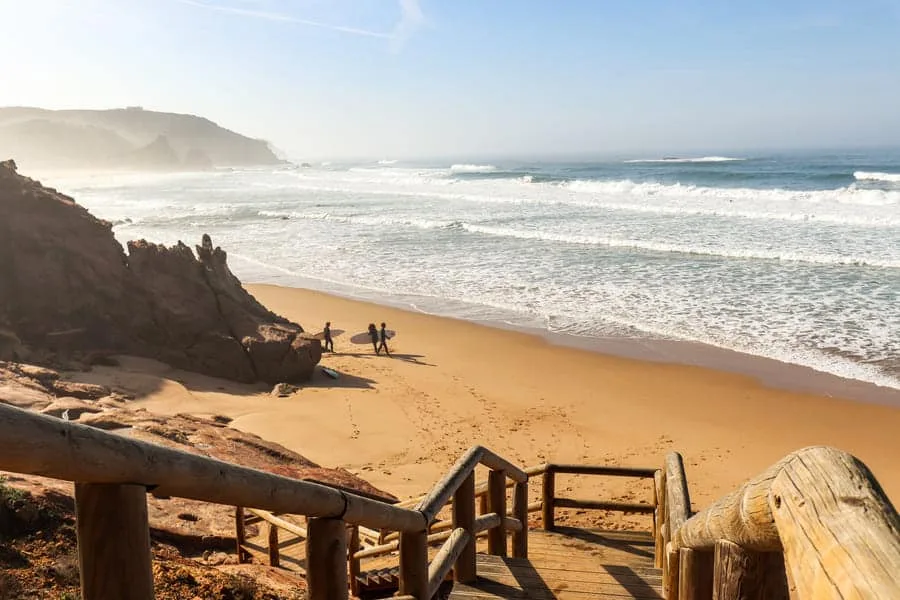
Praia do Amado, situated on the west coast of the Algarve, is one of Portugal's most famous beaches for surfing
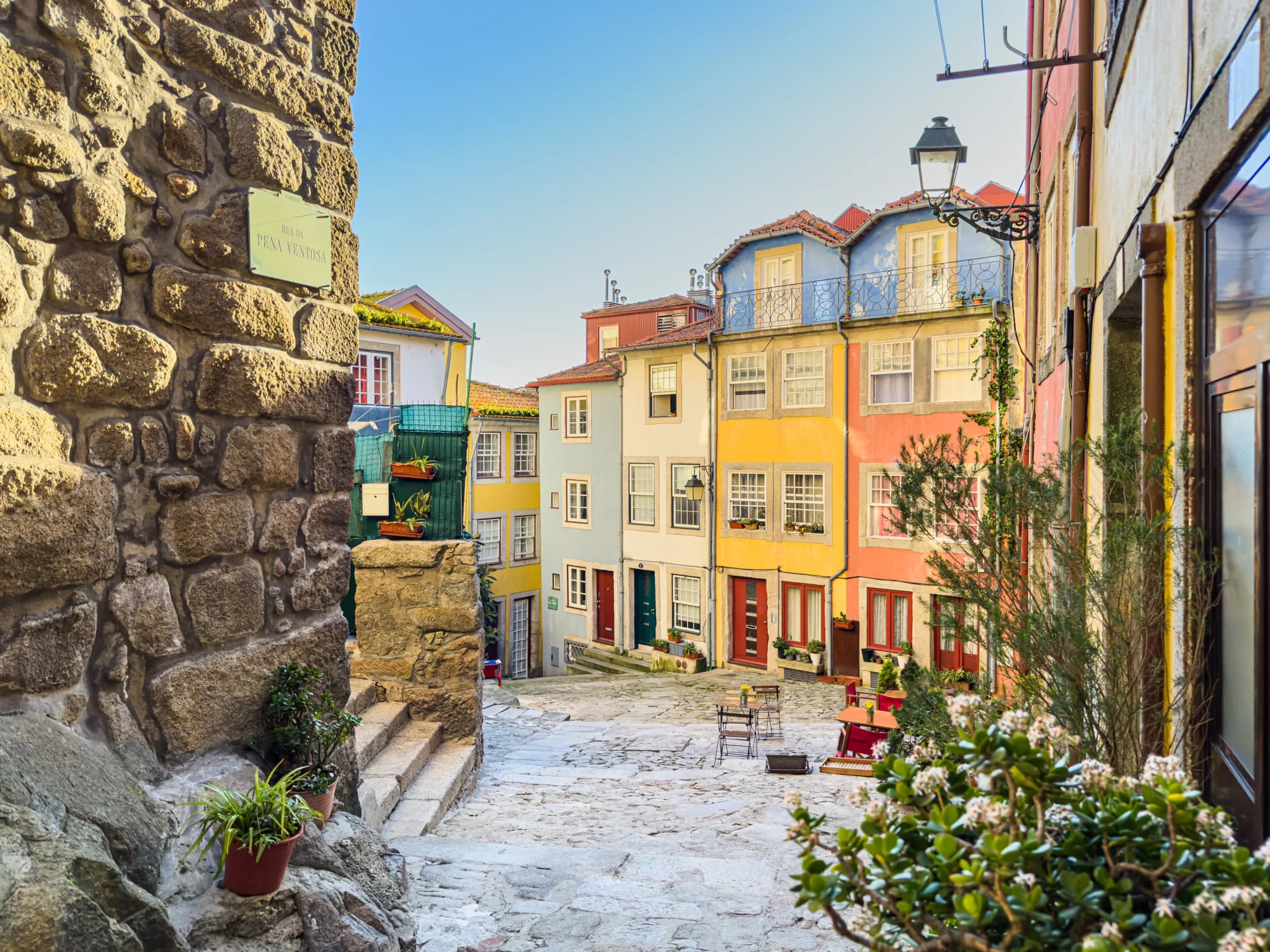
3. Porto, one of Europe’s oldest cities, is renowned for its historic charm and UNESCO World Heritage sites, including the Ribeira district, Porto Cathedral, and Livraria Lello bookstore. Its coastal location provides easy access to beaches like Praia de Matosinhos and Praia da Luz.
For families, Porto offers several international schools with American and other curricula. The University of Porto ranks among the top 300 universities globally, according to the QS World University Rankings 2025.
As well as the Algarve region, Porto is comfortable for frequent travelers, with international airport Francisco Sá Carneiro, offering direct flights to major European cities and the US. As for English proficiency, Porto is one of the regions where English is best spoken.
The city’s gastronomy is world‑famous, particularly for Port wine, attracting wine enthusiasts from around the globe. Its culinary scene is diverse, featuring traditional Portuguese dishes like francesinha and bacalhau alongside international cuisine.

Porto is surrounded by natural beauty, including the Douro Valley, famous for its vineyards and river landscapes
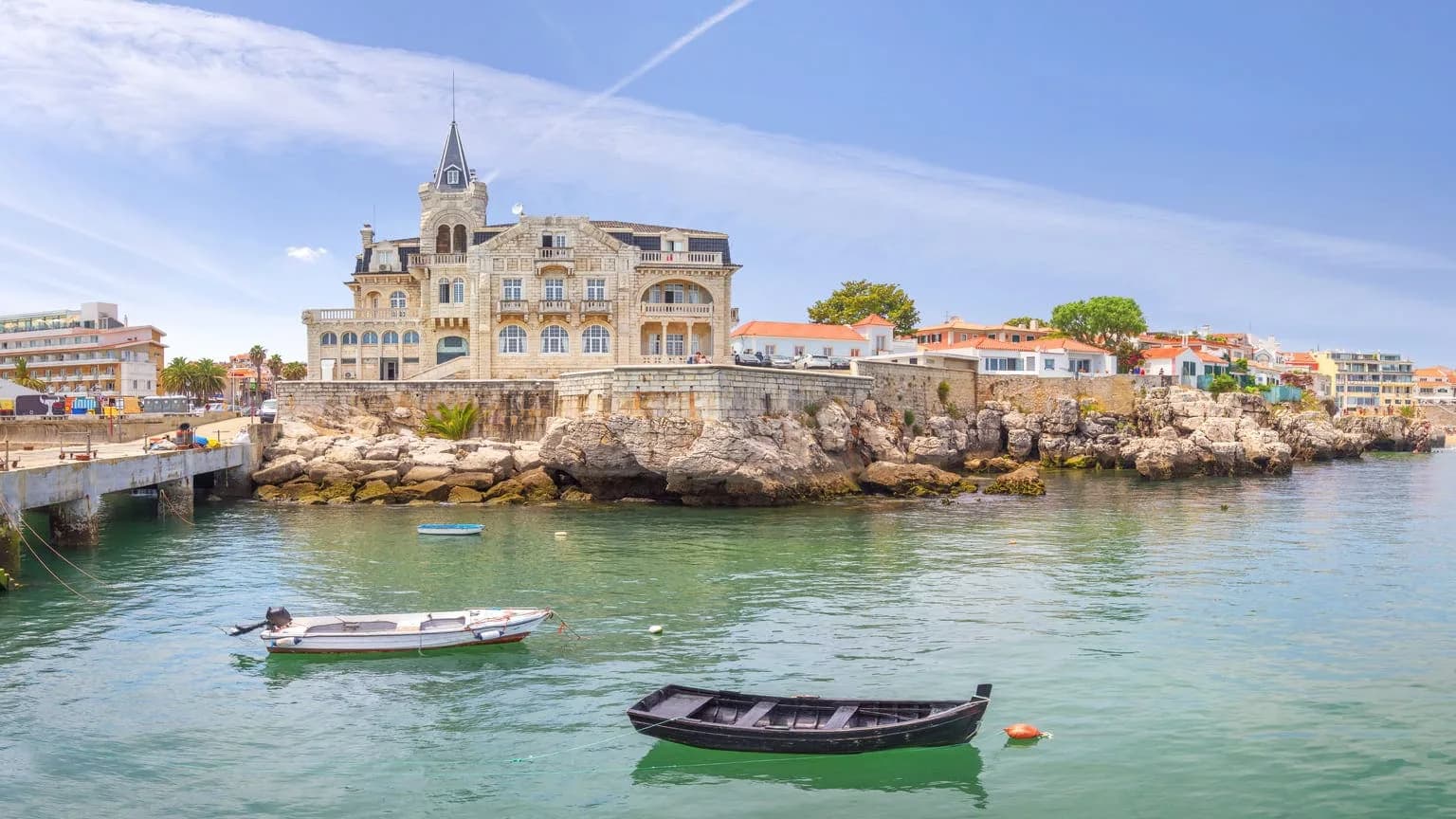
4. Cascais, a charming coastal town, offers a relaxed lifestyle just 30 minutes by car or train from Lisbon. Its proximity to the capital provides convenient access to Lisbon’s international airport, business opportunities, and cultural attractions.
The town boasts stunning beaches like Praia da Rainha and Guincho Beach, ideal for surfing, swimming, and relaxing. A scenic coastal promenade connecting Cascais to Estoril is perfect for walking, jogging, or cycling while enjoying breathtaking ocean views.
Cascais hosts vibrant cultural events, including art exhibitions, music festivals, and food fairs. Notable attractions like the Museu Condes de Castro Guimarães and Casa das Histórias Paula Rego enhance its artistic allure. Family‑friendly amenities include green spaces, playgrounds, and parks like Parque Marechal Carmona.
For education, Cascais features top international schools, such as Carlucci American International School of Lisbon and St. Julian’s School, offering American curricula.
Cascais is pricier than many parts of Portugal, with rents about 15% higher than in Lisbon and Porto. However, the town provides diverse housing options, from luxury villas to modern apartments, often with ocean views or situated in peaceful, leafy neighbourhoods.

The nearby Sintra-Cascais Natural Park offers cycling and hiking opportunities with access to the beach Praia da Ursa, requiring a breathtaking hike down steep trails
5. Madeira and Azores, though distant from mainland Portugal, are excellent destinations for nature enthusiasts. English is widely spoken in both regions due to a robust tourism industry.
Both Madeira and the Azores are well-connected to Portugal, with daily flights lasting 1.5—2 hours. However, direct flights to the US occur seasonally.
The cost of living in both regions is lower than on mainland Portugal. Two-bedroom apartments by the seashore start at €200,000 in Madeira and €72,000 in the Azores, while luxurious urban apartments range from €480,000 to 960,000.
Known as the "Island of Eternal Spring," Madeira features a mild, year-round climate, lush landscapes, and dramatic cliffs. The island is ideal for hiking, exploring botanical gardens, canyoning, and paragliding.
Funchal, Madeira’s capital, is home to about 111,000 residents and serves as the cultural centre of the island. It is renowned for Madeira wine and its bustling harbor, a frequent stop for cruise ships.
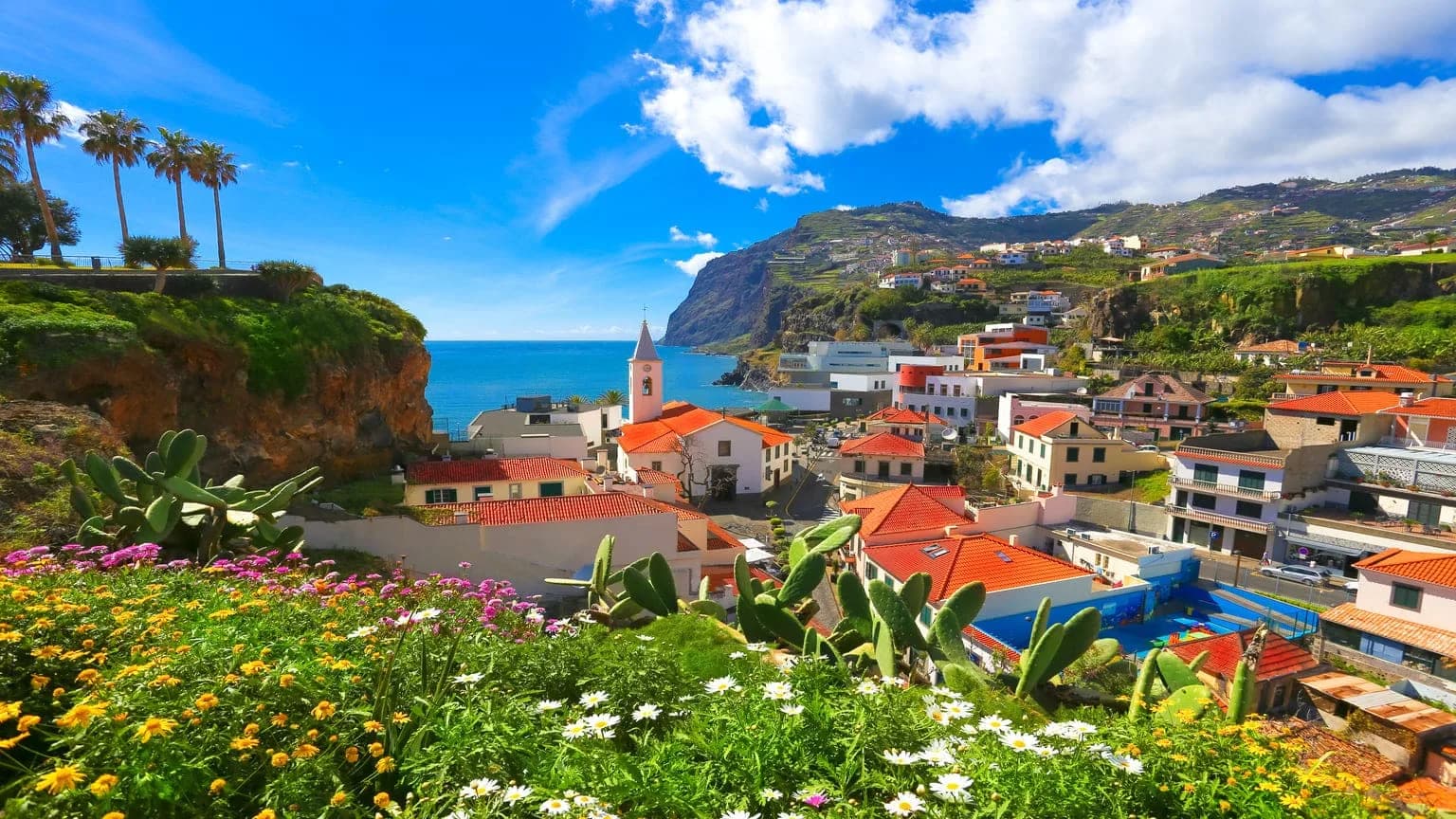
Câmara de Lobos, a picturesque fishing village with 35,000 residents, is famous for its vibrant fishing boats and Winston Churchill’s paintings of the area.
Through the International Business Centre (IBC), Madeira attracts entrepreneurs and remote workers with tax incentives. Companies licensed under the IBC enjoy a 5% corporate income tax rate on taxable income until December 31st, 2027.

Prices for two-bedroom villas in Câmara de Lobos range from €95,800 to 480,000
The Azores archipelago is celebrated for its volcanic landscapes, geothermal springs, crater lakes, and lush green hills.
Ponta Delgada, the capital of São Miguel Island and the largest city in the Azores with a population of around 68,000, is renowned for its historic architecture, including the Portas da Cidade. Its proximity to natural wonders like the Sete Cidades crater lakes offers a perfect blend of urban amenities and natural beauty.
Angra do Heroísmo, located on Terceira Island and home to about 35,000 people, is a UNESCO World Heritage Site celebrated for its 16th-century architecture, including the Sé Cathedral, and its vibrant cultural festivals. On Pico Island, Madalena, a small town of around 6,000 residents, serves as the gateway to Mount Pico, Portugal’s highest peak, and the island’s UNESCO-listed vineyards.
The Azores provide tax advantages compared to mainland Portugal. Corporate tax rates in the Azores can be as low as 14.7%, while the mainland rate is 21%. The standard VAT rate in the Azores is 18%, with reduced rates for some goods and services as low as 5%, compared to the mainland's standard VAT rate of 23%.
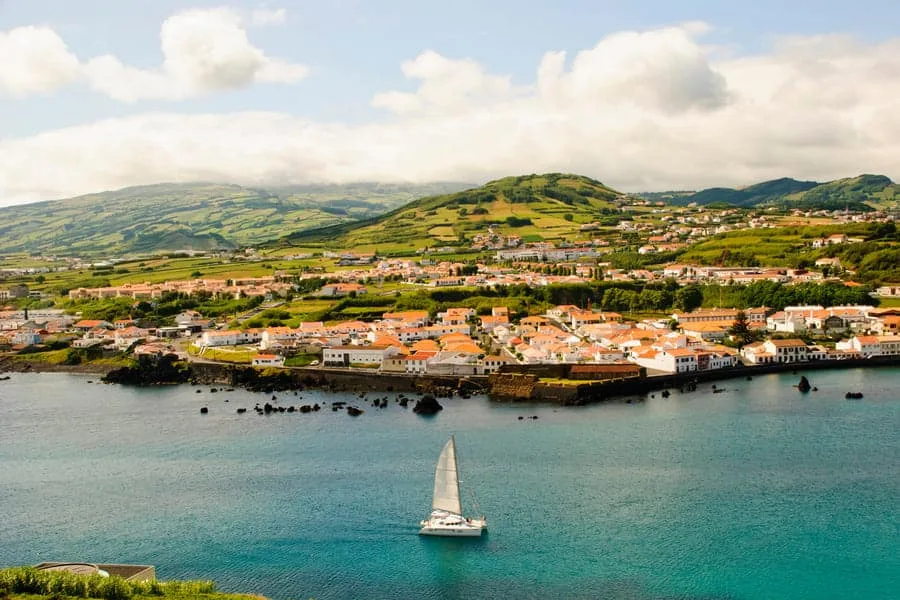
Horta in the Azores, with around 15,000 citizens, is famous for its picturesque marina, which is a key stopover for transatlantic sailors
Disadvantages of moving to Portugal from the US
Distance from the US. For those who need to travel frequently back to the US, Portugal's location on the western edge of Europe means long flights, often more than 8 hours, and the cost of international travel can add up. Round-trip tickets start at €260.
Bureaucracy. According to the Expat Insider Survey, half of the expats struggle with local bureaucracy, and 25% are dissatisfied with the lack of online government services. A US expat notes, “The Portuguese bureaucracy is inefficient and unpredictable. It can be nearly impossible to figure out how things are supposed to be done.”
Lower wages. While the cost of living is lower, wages in Portugal are also generally lower than in the US, especially in fields like retail, service, and education. The average monthly salary in Portugal is €1,270, compared to €5,430 in the US.
However, many US expats find they do not need a large income to enjoy life in Portugal. Nearly 78% of expats say their household income is sufficient or more than enough for a comfortable lifestyle, with free time being a valued priority.
Cultural difference. Portugal’s culture differs from the US, with a slower pace of life, a relaxed work-life balance, and distinct social norms. While many expats find this refreshing, some initially struggle to adjust.
Customer service is less fast‑paced due to the emphasis on family and leisure over work. Stores and restaurants may close during the day. Over time, however, many Americans adapt and even embrace this lifestyle, finding it brings a sense of peace and happiness.
Language barrier. Portuguese is the official language. While English is widely spoken in urban areas, Americans may face challenges communicating in rural regions.
To sum up: what should Americans know before moving to Portugal
- Americans can relocate to Portugal through various visas, including options for employees, students, highly qualified professionals, digital nomads, and financially independent individuals.
- The Portugal Golden Visa is available for investors contributing at least €250,000 to the country’s economy.
- Portugal appeals to Americans due to its low cost of living, affordable healthcare, safe environment, welcoming culture, healthier and slower pace of life, warm climate, beautiful natural landscapes, and excellent work-life balance.
- Living expenses in Portugal are approximately 70% lower than in the US.
- Portugal ranks 6th globally in the 2024 EF English Proficiency Index. The most English-speaking areas include Braga, Coimbra, Lisbon, Porto, the Algarve, Madeira, and the Azores.
- Top 5 places for Americans to settle include Lisbon, Porto, Cascais, the Algarve region, Madeira and the Azores.


 Trusted by 10,000+ investors