








Since Brexit, UK citizens need a residence permit to live in Portugal. One of the easiest ways to obtain it is after a D7 Visa. This visa is issued to financially independent persons with a minimum passive income of €920 per month.
This article explains the requirements, procedures, and benefits of the Portugal D7 Visa for UK citizens.
What is the Portugal D7 Visa?
The Portugal D7 Visa, also known as the Passive Income Visa, allows financially independent people to obtain a temporary residence permit and relocate to Portugal.
Income requirement. Applicants demonstrate a passive income of at least €920 per month. This income can come from pensions, rentals, dividends, or interest. While they must prove passive income, they are allowed to work or run a business in Portugal.
Accommodation requirement. Applicants buy or rent property in Portugal. There are no minimum price or size requirements.
Validity and renewal. The D7 Visa is issued for 2 years and can be renewed for an additional 3 years. After 5 years, holders can apply for permanent residence or citizenship.
Are you a perfect fit for the Portugal D7 Visa?
Discover your eligibility with our simple quiz!
5 benefits of the Portugal D7 Visa for UK citizens
1. Affordable option. Brits obtaining D7 must demonstrate an income of €920. Many countries set income thresholds for financially independent persons at €1,000. For example, in Austria and Spain, applicants need around €2,400 per month.
Portugal is also more affordable than the UK. Living costs, excluding rent, are about €700 per month in Portugal, compared to €1,000 in the UK. Rental prices in Portugal are, on average, 25—30% lower.
2. High quality of life. Portugal is the 7th safest country in the world, while the United Kingdom ranks 34th, according to the World Population Review. Portuguese residents benefit from a low crime rate and political and financial stability.
Portugal enjoys pleasant temperatures year-round, with summer highs averaging around 30°C and winter lows around 10°C, depending on the region. On average, the sun is shining around 119 days per year, while in the UK, there are around 60 sunny days per year.
3. Access to the local healthcare system. Portugal offers high‑quality healthcare, both public and private. Public healthcare is available to foreigners who legally reside in Portugal and obtain the Serviço Nacional de Saúde user number. Many services are free, with only co-payments required. Private healthcare in Portugal is 20—40% cheaper than in the UK.
Residents can also obtain a European Health Insurance Card, which allows them to receive medical treatment in any EU country under the same conditions as locals. This gives UK citizens more options when choosing clinics or doctors.
4. Right to work and run a business. D7 Visa holders can work and start a business in Portugal after obtaining their residence permits. Many countries with Passive Income Visas do not allow employment or business activities. For example, Austria, Switzerland, and France prohibit it, while Spain allows business registration but not employment.
5. Path to EU citizenship in 5 years. After 5 years in Portugal, D7 Visa holders can apply for permanent residence or citizenship. This is one of the fastest routes to EU citizenship—Spain, for example, requires at least ten years.
Portugal does not require applicants to pass a citizenship test, but they need to prove basic Portuguese language skills at an A2 level.
As an EU country, Portugal grants its citizens full EU rights. Britons who obtain Portugal citizenship can live, work, and do business in any EU country without additional permits. They also gain access to EU social benefits.
D7 Visa eligibility criteria for British citizens
Main applicant. Foreigners applying for the D7 Visa must meet the following requirements:
- be over 18;
- come from a non-EU and non‑EEA country;
- have no convictions or ongoing prosecutions;
- rent or buy real estate—no minimum cost or size requirements.
Family members. The main applicant can add their close family members to the application. This includes a spouse in an official marriage or partner in an unregistered partnership, unmarried and unemployed children under 21, and financially dependent parents.

Zlata Erlach,
Head of the Austrian office
In Portugal, using a sponsor to prove financial resources for a residence permit is uncommon.
Sponsorship is mainly relevant to banking. For instance, if someone sponsors an applicant, the applicant must open a Portuguese bank account in their own name. The sponsor can transfer money there, but the bank must know why the funds are sent—usually through a donation agreement.
Financial requirements for Britons obtaining the Portugal D7 Visa
Income. Applicants should have a passive income of at least €920 per month. If family members are included, the required income increases by 50% for a spouse and 30% for each child. Thus, the applicant demonstrates an additional €460 for a spouse and €276 for a child.
Savings. Applicants deposit at least €11,040 in a Portuguese bank account to cover one year of living expenses. The amount increases by 50% for a spouse and 30% for each child. This means the applicant deposits an additional €5,520 for a spouse and €3,312 for each child.
Additional fees. Applicants pay the following fees:
- visa application fee—€90 per family member;
- residence permit processing fee—€83 per family member;
- residence card issuance fee—€72 per family member.
Health insurance costs start at €15 per month.
Real estate cost. There is no minimum property price for purchase or rental. However, buyers must pay a 0.8% stamp duty on the property’s value and an annual municipal property tax of 0.3—0.8%.
Required documents for citizens of the United Kingdom
- Valid passport—must be valid for at least six months after the return date and have at least three blank pages.
- Proof of accommodation—rental agreement or property ownership document.
- Medical insurance—must cover the entire stay in Portugal.
- Police clearance certificate—criminal record from the applicant’s country of origin or any country where they have resided for more than a year.
- Proof of means of subsistence—Portuguese bank account statement showing a deposit of at least €11,040.
- Proof of passive income of at least €920 per month.
To prove passive income, applicants must provide official documents based on their income type:
- pensions—letter from the provider, bank statements, or tax returns;
- rentals—lease, tax declarations, invoices, or bank statements;
- dividends and investments—brokerage statements, shareholder agreements, or tax returns;
- interest from savings or bonds—bank statements, bond certificates, or tax returns;
- business dividends—financial reports, bank statements, or shareholder documents.
Immigrant Invest lawyers assist in compiling all required documents, as well as translating, notarising, and apostilling them.
How to obtain the Portugal D7 Visa: a step-by-step guide for UK citizens
According to Immigrant Invest’s experience, obtaining the Portugal D7 Visa takes at least 6 months. The longest stage is the visa consideration by Portuguese authorities.
Immigrant Invest lawyers assist applicants throughout the entire process.
1 day
Preliminary Due Diligence
Immigrant Invest conducts a preliminary Due Diligence check to assess refusal risks and identify potential issues. If the check is successful, an agreement is signed with the applicant for the D7 Visa.
Immigrant Invest conducts a preliminary Due Diligence check to assess refusal risks and identify potential issues. If the check is successful, an agreement is signed with the applicant for the D7 Visa.
Up to 5 business days
Obtaining a taxpayer number
The taxpayer number, Número de Identificação Fiscal, is required to open a bank account and rent or buy property. A tax representative in Portugal obtains it on the applicant’s behalf. Immigrant Invest prepares a power of attorney for this process.
The taxpayer number, Número de Identificação Fiscal, is required to open a bank account and rent or buy property. A tax representative in Portugal obtains it on the applicant’s behalf. Immigrant Invest prepares a power of attorney for this process.
2+ weeks
Opening a Portuguese bank account
Immigrant Invest assists the applicant in opening and activating a bank account. The applicant then transfers the required funds.
Immigrant Invest assists the applicant in opening and activating a bank account. The applicant then transfers the required funds.
Up to 2 months
Renting or buying a property
Immigrant Invest selects suitable properties and arranges meetings with owners in Portugal, if required The applicant can also choose a property remotely.
Once selected, Immigrant Invest verifies the property and owner and signs a lease or sales agreement on the applicant’s behalf.
Immigrant Invest selects suitable properties and arranges meetings with owners in Portugal, if required The applicant can also choose a property remotely.
Once selected, Immigrant Invest verifies the property and owner and signs a lease or sales agreement on the applicant’s behalf.
Up to 4 months
Obtaining a D7 Visa
Lawyers provide the applicant with a list of required documents and assist with translation, apostille, and notarisation. The applicant and their family members submit their documents and biometrics at a Portuguese consulate. Portuguese authorities review the application and make a decision.
Lawyers provide the applicant with a list of required documents and assist with translation, apostille, and notarisation. The applicant and their family members submit their documents and biometrics at a Portuguese consulate. Portuguese authorities review the application and make a decision.
1 day
Entering Portugal with a D7 Visa
The D7 Visa is valid for 4 months. During this period, the holder enters Portugal to apply for a residence permit.
The D7 Visa is valid for 4 months. During this period, the holder enters Portugal to apply for a residence permit.
1 day
Applying for a residence permit
Immigrant Invest books an appointment at the Agency for Integration, Migration and Asylum, or AIMA. The applicant visits AIMA in person, accompanied by an Immigrant Invest representative.
Immigrant Invest books an appointment at the Agency for Integration, Migration and Asylum, or AIMA. The applicant visits AIMA in person, accompanied by an Immigrant Invest representative.
2+ weeks
Getting a residence permit card
Upon approval, the applicant receives their residence permit card at their registered address in Portugal.
Upon approval, the applicant receives their residence permit card at their registered address in Portugal.
How to get permanent residence and citizenship in Portugal as a British citizen
D7 Visa holders can apply for permanent residence or citizenship after 5 years of living in Portugal. They must also pass a Portuguese language test at the A2 level.
To apply for permanent residence, UK citizens provide the following documents:
- valid passport;
- criminal record certificate;
- proof means of subsistence;
- proof of accommodation availability;
- proof of compliance with tax and social security obligations;
- Portuguese language certificate.
The application is submitted in person by appointment at any AIMA Office.
To apply for citizenship, UK citizens submit the following documents:
- valid passport;
- birth certificate;
- criminal record certificate;
- Portuguese language certificate.
The application can be submitted online with the help of a lawyer or in person at civil registry offices or the National Centre for Support for the Integration of Migrants in Lisbon or Porto.
Both Portugal and the UK allow dual citizenship. Britons do not need to renounce their British passport when obtaining Portugal citizenship.
Moving to Portugal as a UK citizen: key features
Moving from the UK. Flying is the fastest and easiest option. Direct flights operate from many UK airports to Lisbon, Porto, and Faro. The flight takes around 3 hours. One-way tickets cost around €60—100, depending on the airline, date, and route.
Travelling by sea is possible but less common. One can take a ferry from the UK to Spain or France and then continue to Portugal by bus.
Ferry from the UK:
- to Spain—takes around 1 day; costs €350—400;
- to France—takes 3 to 8 hours; costs €90—150.
Bus travel to Portugal:
- from Spain—costs €30—100; takes around 15 hours;
- from France—costs around €100; takes around 1.5 days.
As for belongings transportation, the cost depends on the volume, method, and company. Prices start at €100 for a few small items. A large move for a 3+ bedroom home can cost up to €7,000.
Companies offering international moving services include PSS International Removals, Pickfords, Europa Worldwide Group, and DHL Express.
Moving goods from the UK to Portugal typically takes 7 to 10 days by sea, 2 to 5 days by road, or 1 to 3 days by air.
Places to live. Portugal offers diverse living options across different regions.
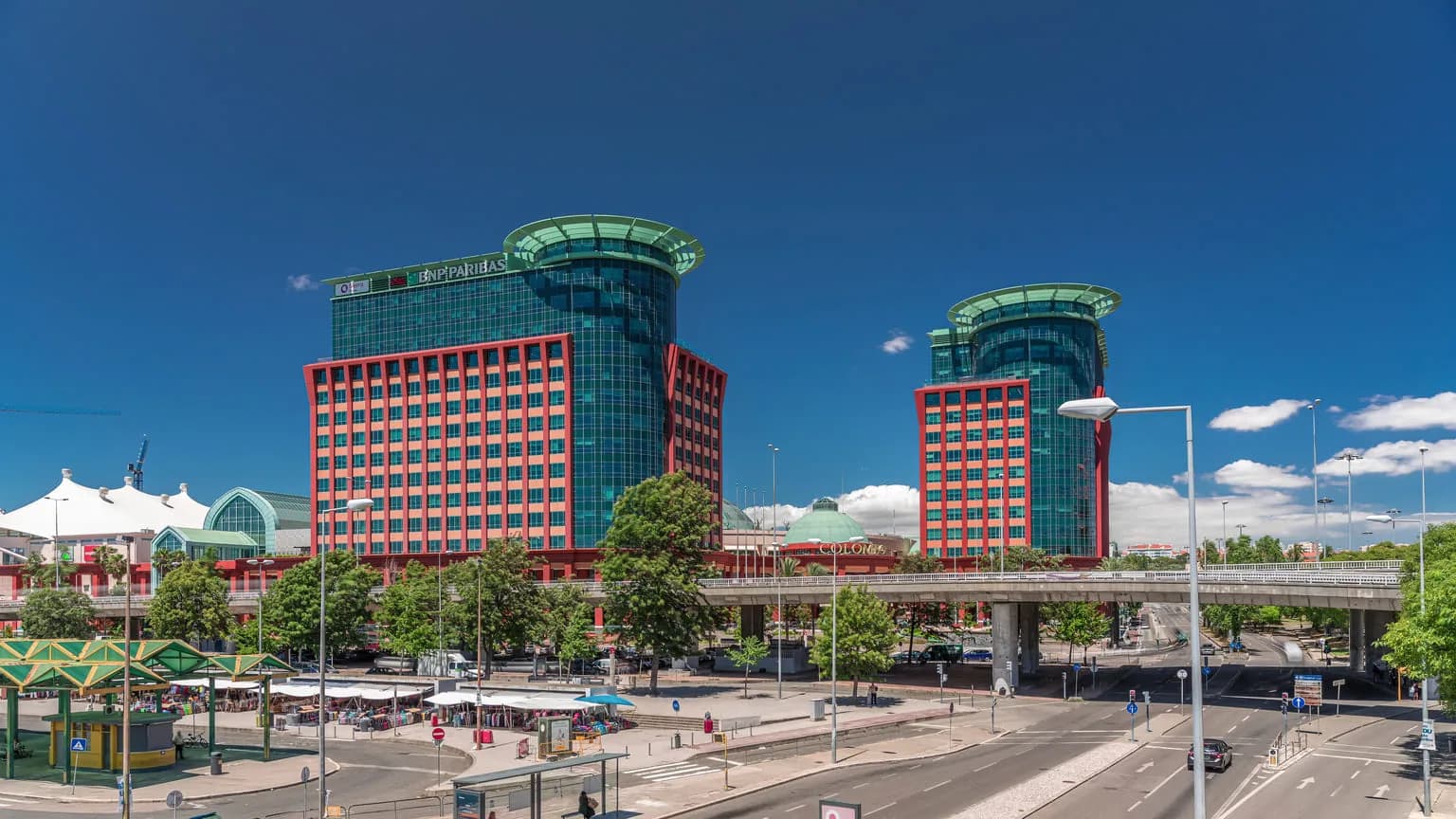
- Lisbon. The capital and largest city, Lisbon is a vibrant, cosmopolitan hub with excellent infrastructure, job opportunities, and cultural attractions. However, it has high living costs.
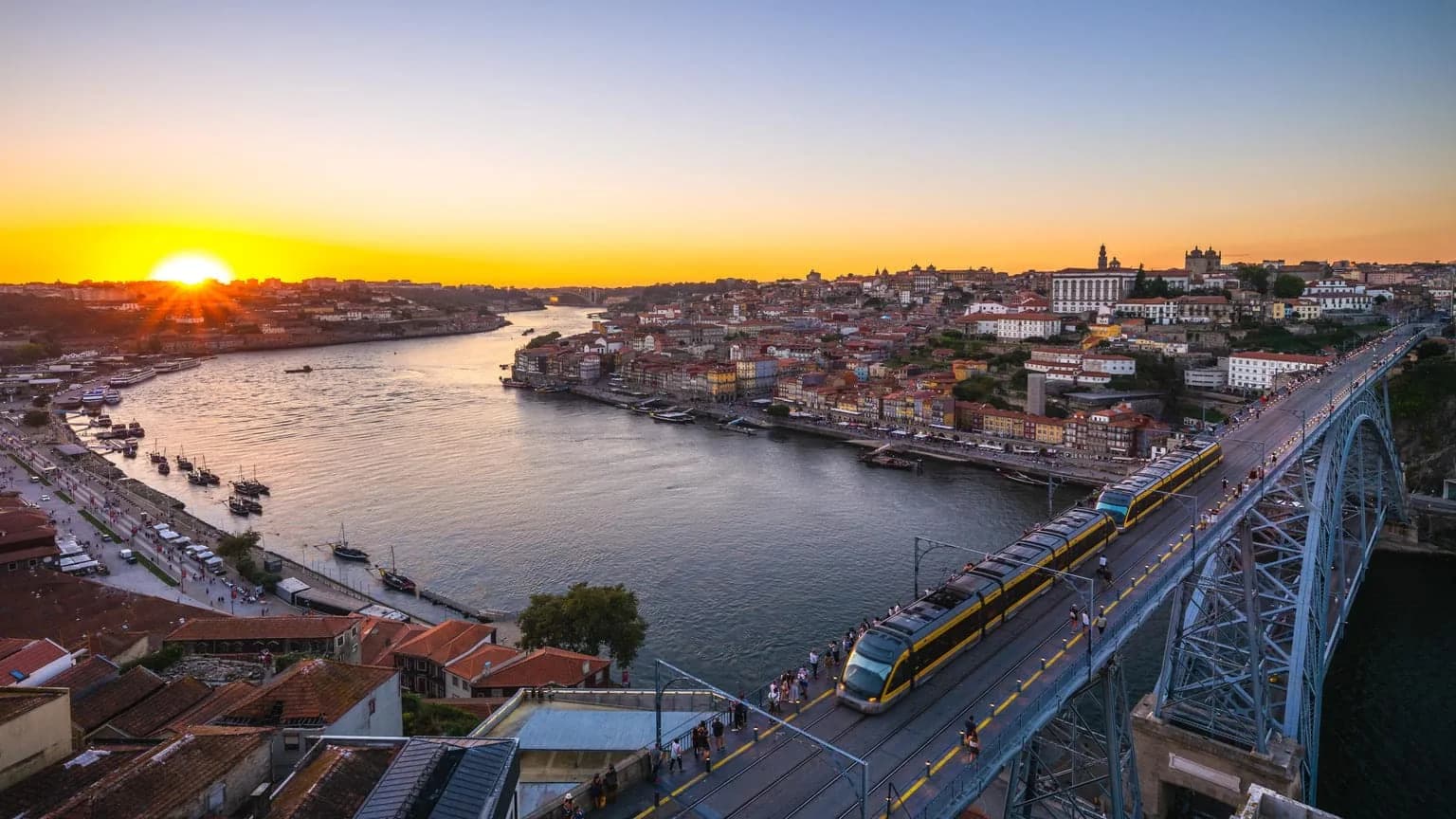
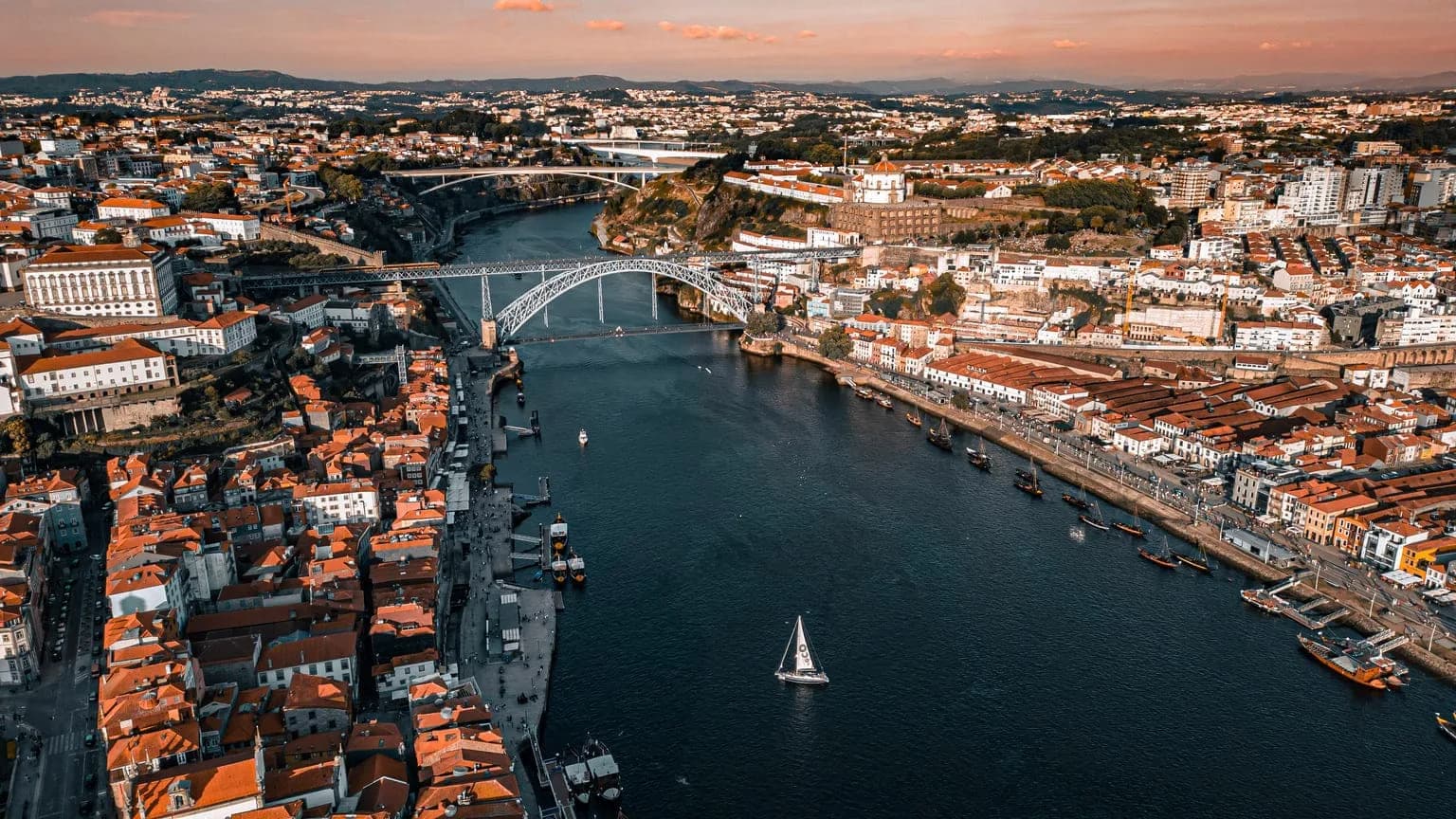
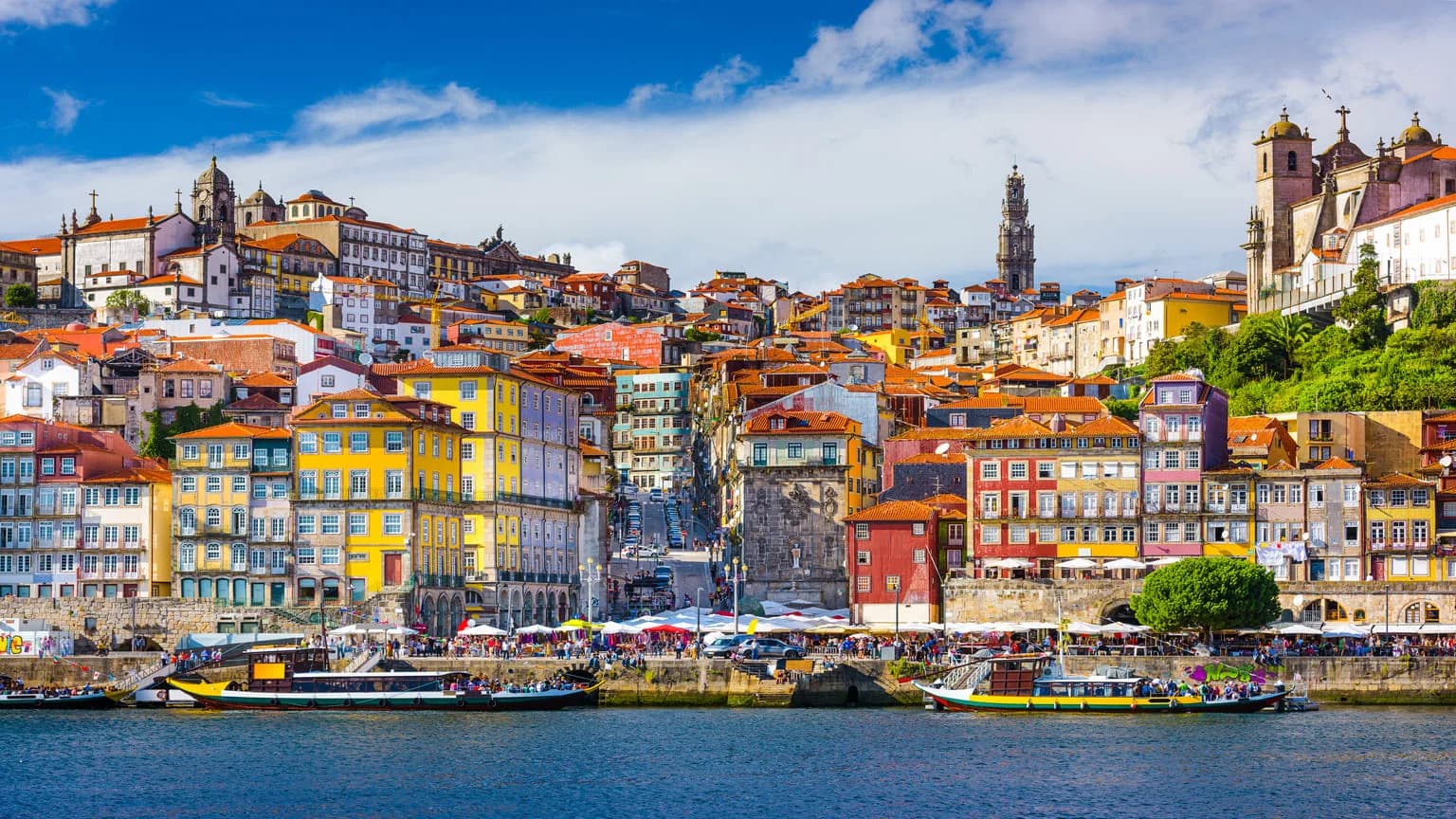
- Porto. Located in the north, Porto is known for its historic charm and wine culture. It is more affordable than Lisbon but has cooler, rainier weather.
- The Algarve. This southern region offers sunny beaches and a large expat community, making it ideal for a relaxed lifestyle.
- Braga. An emerging tech and business hub in the north, Braga has a lower cost of living but a more traditional culture and fewer entertainment options.
- Aveiro. Known for its picturesque canals and seaside charm, Aveiro is a quieter city that may not suit those seeking a lively environment.
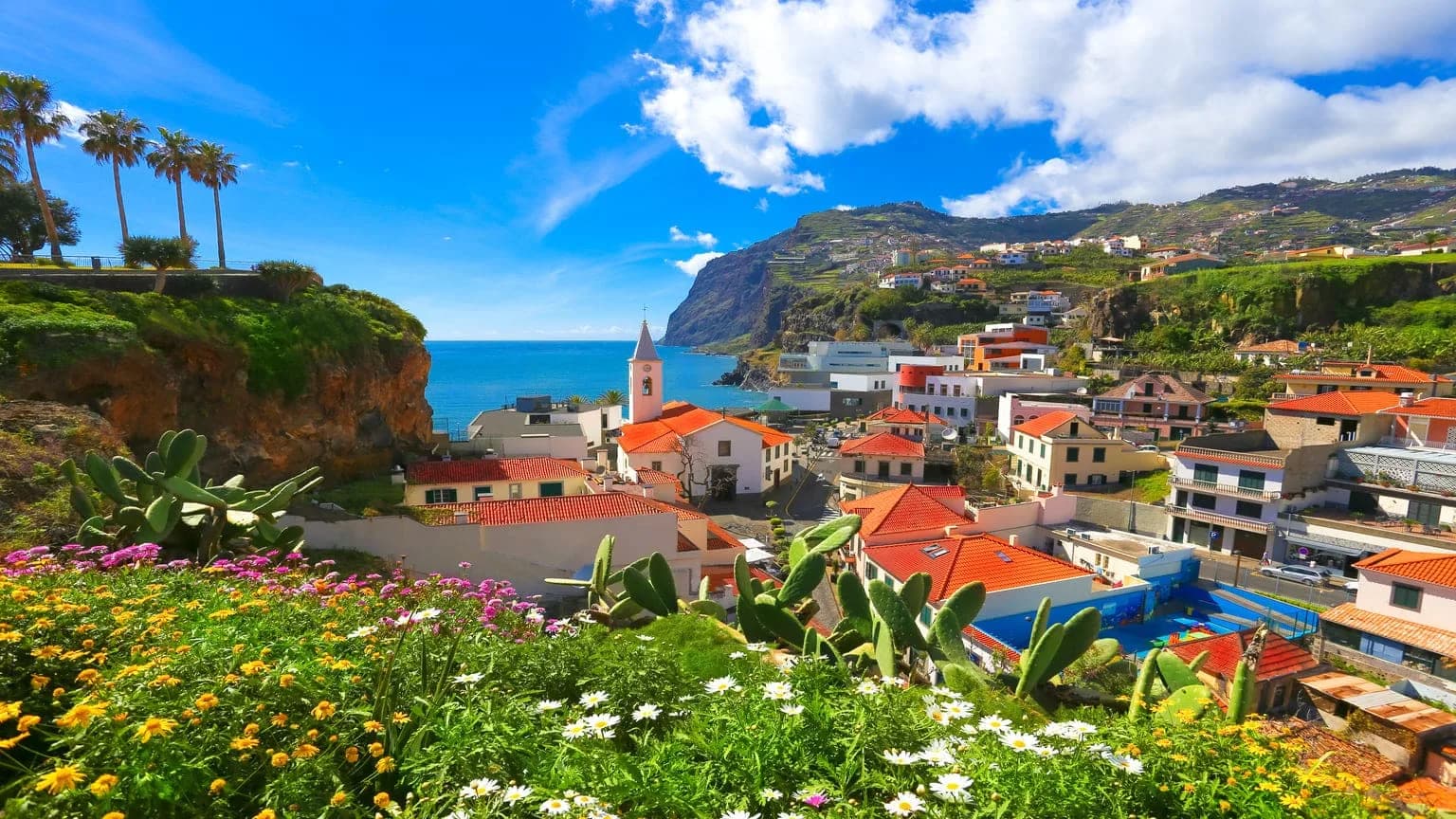
Portugal has two autonomous regions located on islands in the Atlantic: Madeira and the Azores. Madeira has a stronger economy, an international business centre, and better infrastructure, attracting expats and businesses.
The Azores are rural, nature-focused, and more affordable, relying on agriculture and sustainable tourism. Madeira suits business and expat life, while the Azores offer tranquillity and nature.
Climate. Portugal has a Mediterranean climate with hot, dry summers and mild, wet winters. The north and interior regions experience colder weather, while the south remains warmer.
Summers bring temperatures ranging from 25 to 35°C, though inland areas can exceed 40°C. Coastal cities remain cooler due to the Atlantic breeze. Winters are mild, with temperatures between 5 and 15°C.
Portugal is one of Europe’s sunniest countries, receiving 2,500 to 3,300 hours of sunshine annually. Rainfall is uncommon, with the wettest months occurring between October and March, particularly in the north.
Taxes. Personal income tax is progressive, ranging from 13% to 48%. Dividends, royalties, and interest income are taxed at a flat rate of 28%.
The corporate tax rate is 20%, with small and medium-sized enterprises benefiting from a reduced rate of 16% on the first €50,000 of taxable profit.
The standard VAT rate is 23%, with reduced rates of 13% and 6% for certain goods and services.
English proficiency. English is widely spoken in Portugal, especially in major cities, tourist areas, and among younger generations. In rural areas, fewer people speak English fluently.
Large cities often host English‑speaking events such as networking meetings, workshops, book clubs, and stand-up comedy shows.
Driving. British citizens can drive in Portugal using a UK driving licence if they meet the following conditions:
- are under 60 years old;
- have a valid licence;
- no more than 15 years have passed since the issuance or last renewal of the UK licence;
- the licence is not suspended, expired, revoked, or otherwise invalid;
- meet Portugal’s minimum age requirements for the vehicle categories on the licence.
If these conditions are not met, the licence must be exchanged for a Portuguese one, which costs €30.
The application is filed online via the IMTonline portal. The required documents include:
- valid passport;
- proof of residence in Portugal;
- original UK driving licence;
- medical certificate attesting physical and mental fitness to drive;
- tax identification number;
- recent passport-sized photos.
Traffic laws are similar to those in the UK, but Portugal follows right-hand driving. The country has an extensive toll road system, with both standard toll booths for in-person payment and electronic tolls that require registration with a payment system.
Portuguese culture and lifestyle. Portugal has a relaxed pace of life, with a strong emphasis on food, and social connections. Family remains at the heart of Portuguese society, with multi‑generational gatherings, particularly for Sunday lunches, being a deeply rooted tradition.
Public holidays and festivals, such as Carnival and São João, play a significant role in Portuguese life. Many towns and villages also celebrate their patron saints with traditional festivals, featuring processions, traditional music, and feasts that bring communities together.
Dining out is a common social activity, with seafood and grilled meats being local favourites. The country has a strong café culture, and many businesses close for long lunch breaks, known as siesta.

Port wine is a sweet wine from northern Portugal's Douro Valley. Pastel de nata, a custard tart, is another beloved Portuguese treat
Alternatives to the Portugal D7 Visa
In addition to the D7 Visa, Portugal offers visas for investors and digital nomads, which also allow Britons to obtain residence permits. These visas differ from the D7 Visa in terms of financial requirements.
The Golden Visa grants residency in exchange for an investment of at least €250,000 in Portugal’s economy. The available options include:
- supporting art and restoring cultural heritage—€250,000+;
- purchasing investment fund units—€500,000+;
- investing in research activities—€500,000;
- business investment—€500,000+;
- opening a company—no minimum investment requirement.
The most popular option is purchasing investment fund units.
Golden Visa holders are not required to live in Portugal full-time. They must stay in the country for only seven days per year.
The Digital Nomad Visa allows foreigners to obtain a residence permit if they have a monthly income of at least €3,680 from employment with a company outside Portugal. Self-employed individuals and entrepreneurs also qualify.
Applicants must have savings of at least €11,040 in their bank account and must rent or buy real estate.
Unlike Golden Visa holders, digital nomads must continuously live in Portugal to maintain their residence permit.
D7 Visa vs Golden Visa vs Digital Nomad Visa in Portugal: comparison
Key takeaways: Portugal D7 Visa for British citizens
- The Portugal D7 Visa allows financially solvent foreigners to obtain a Portuguese residence permit.
- To be eligible for the D7 Visa, UK citizens must have a monthly passive income of at least €920, deposit at least €11,040 in a Portuguese bank account, and rent or buy property.
- The process of obtaining the D7 Visa takes at least 6 months.
- The residence permit is granted for 2 years and can be extended for another 3 years.
- After 5 years of living in Portugal on the D7 Visa, UK citizens can apply for permanent residence or citizenship. When obtaining citizenship, they can keep their British passports.
- The D7 Visa allows Britons to relocate to Portugal, a country with a high quality of life and a lower cost of living than in the UK.

 Trusted by 10,000+ investors