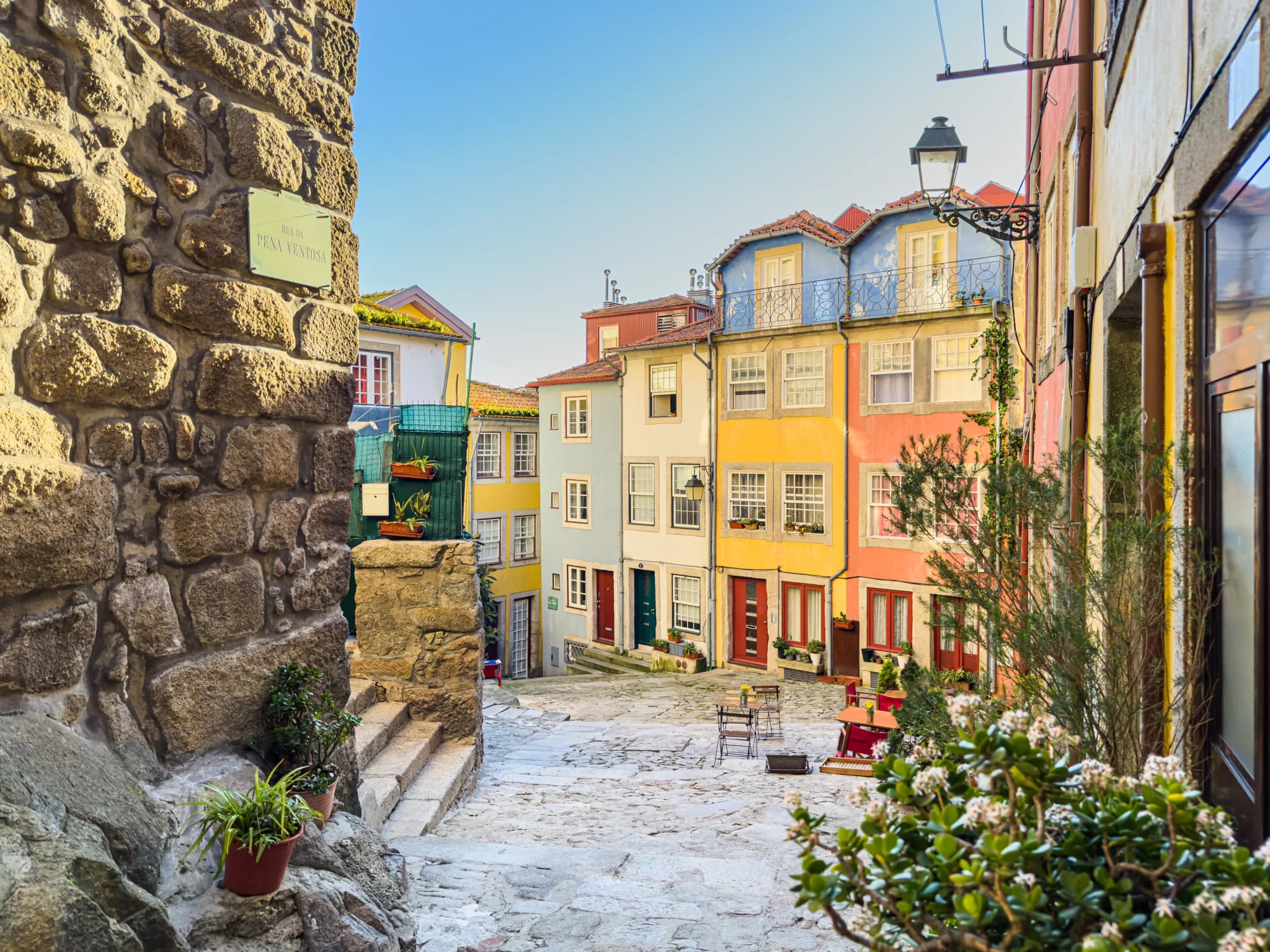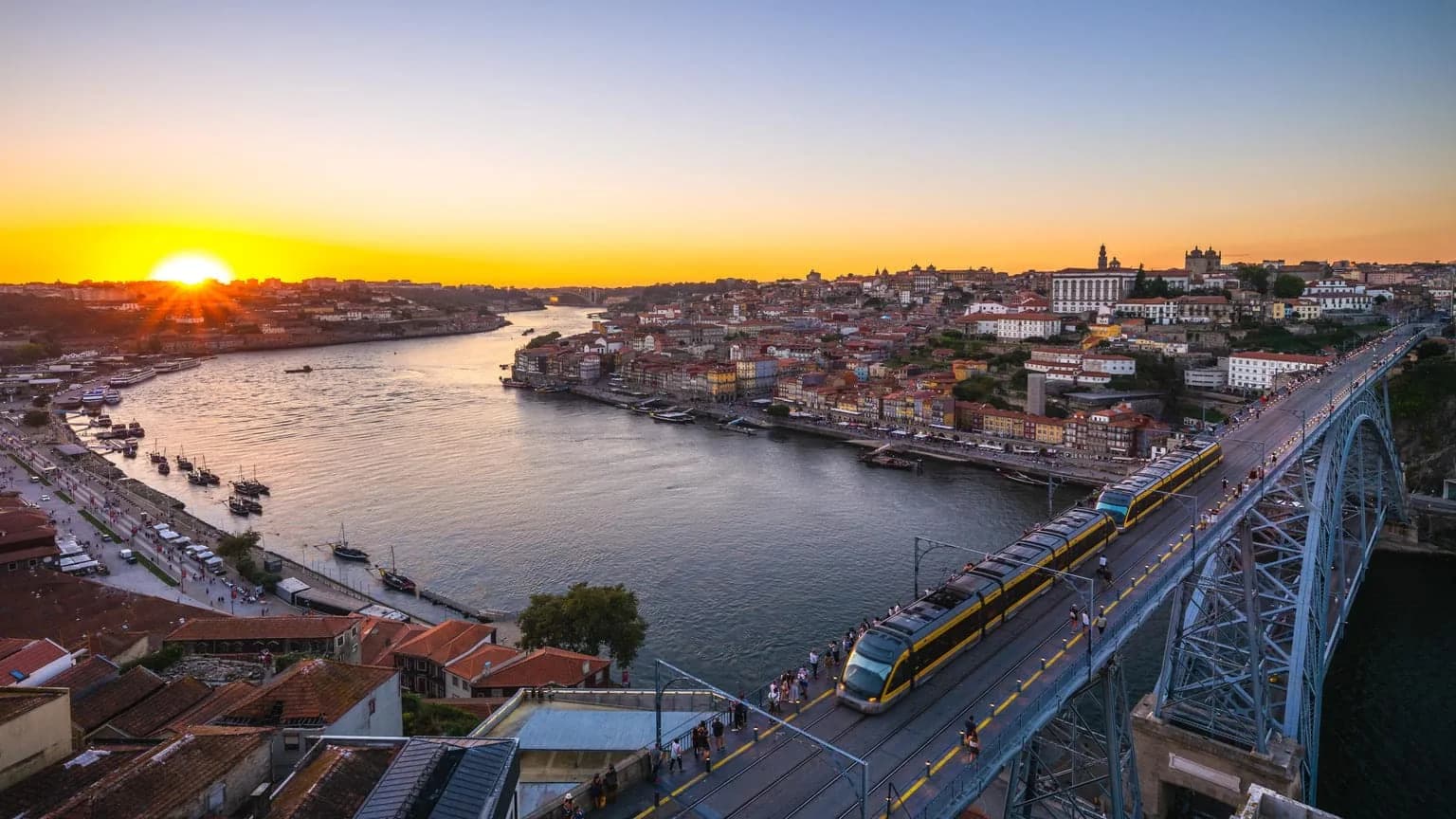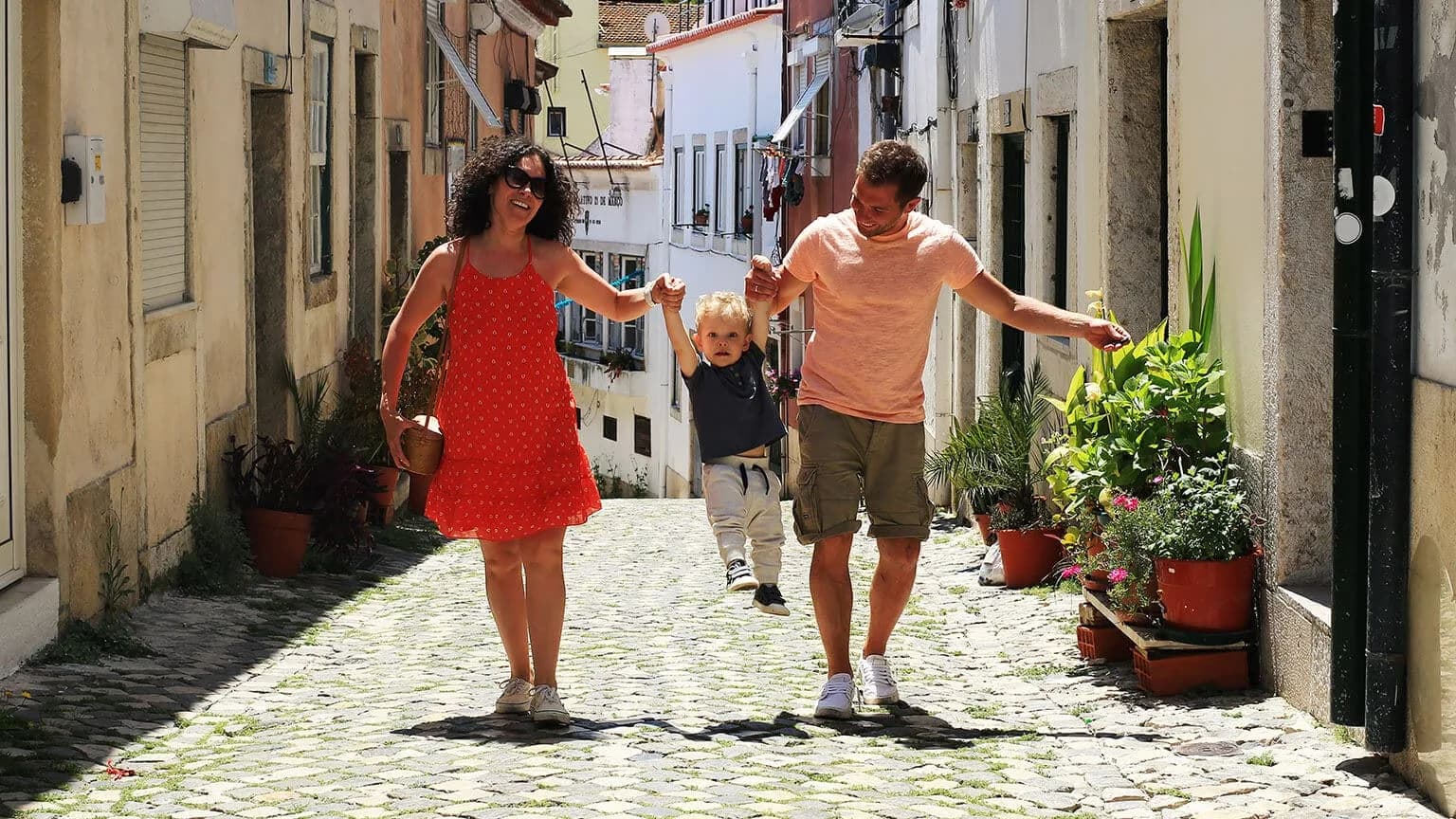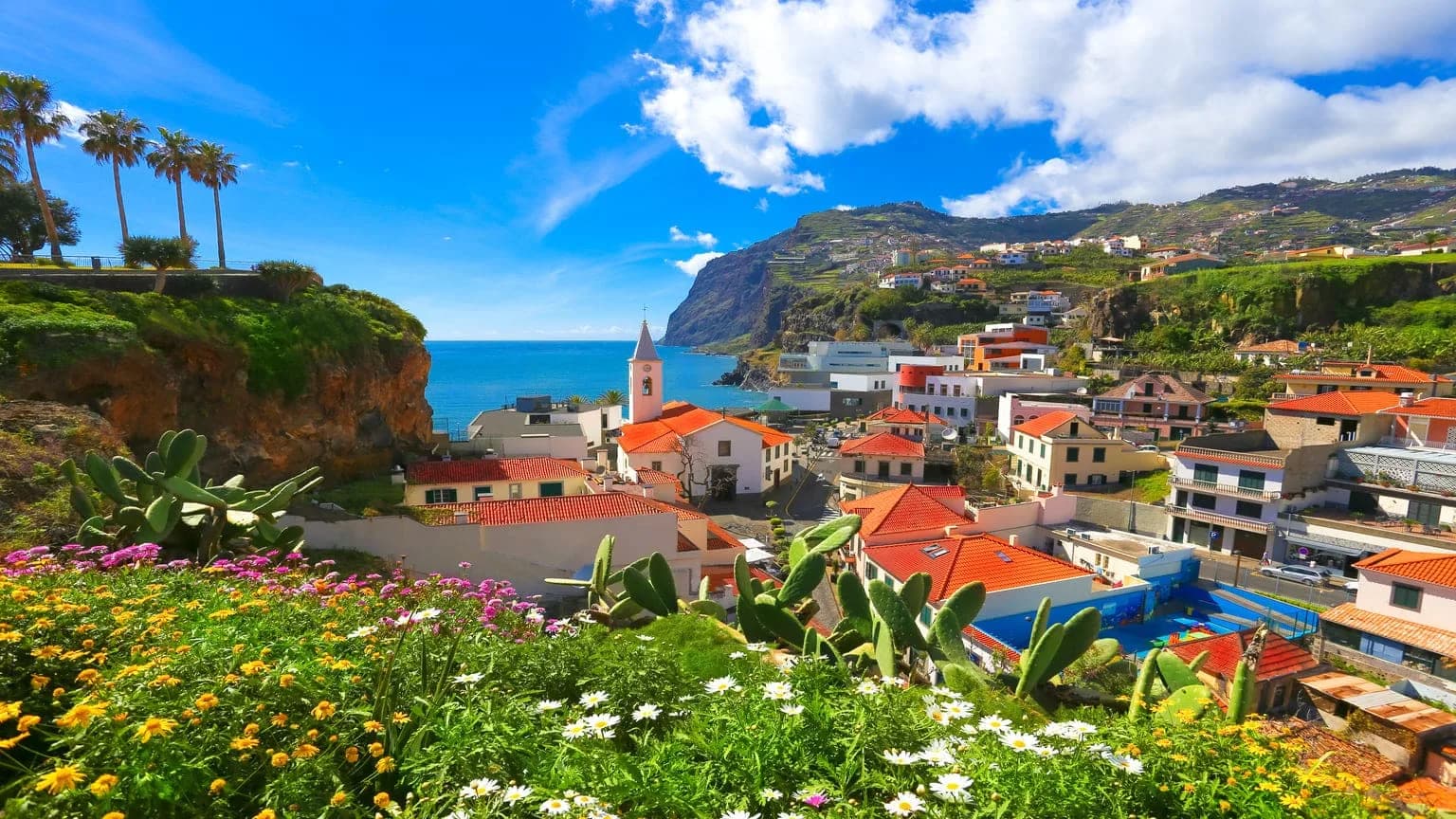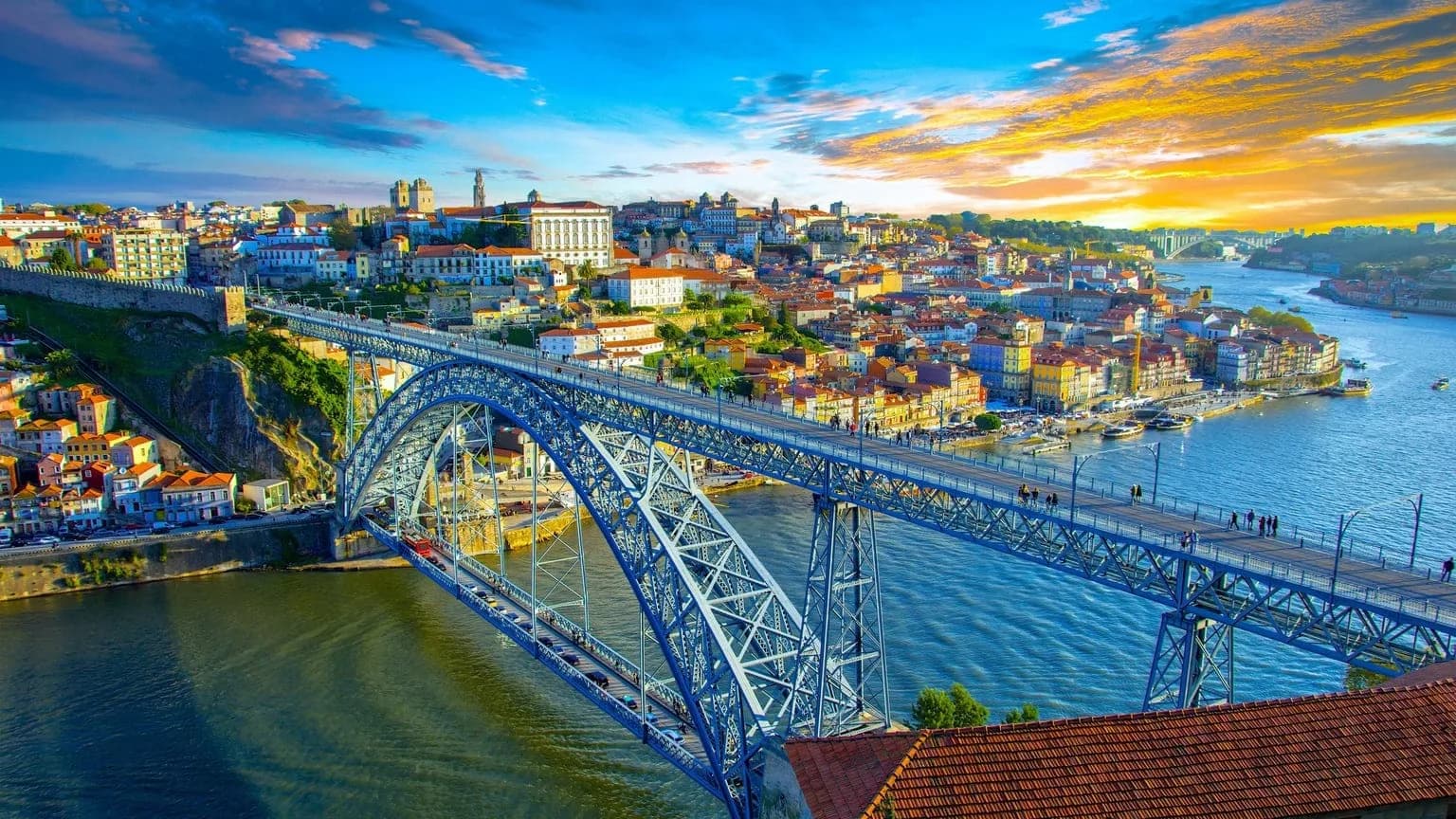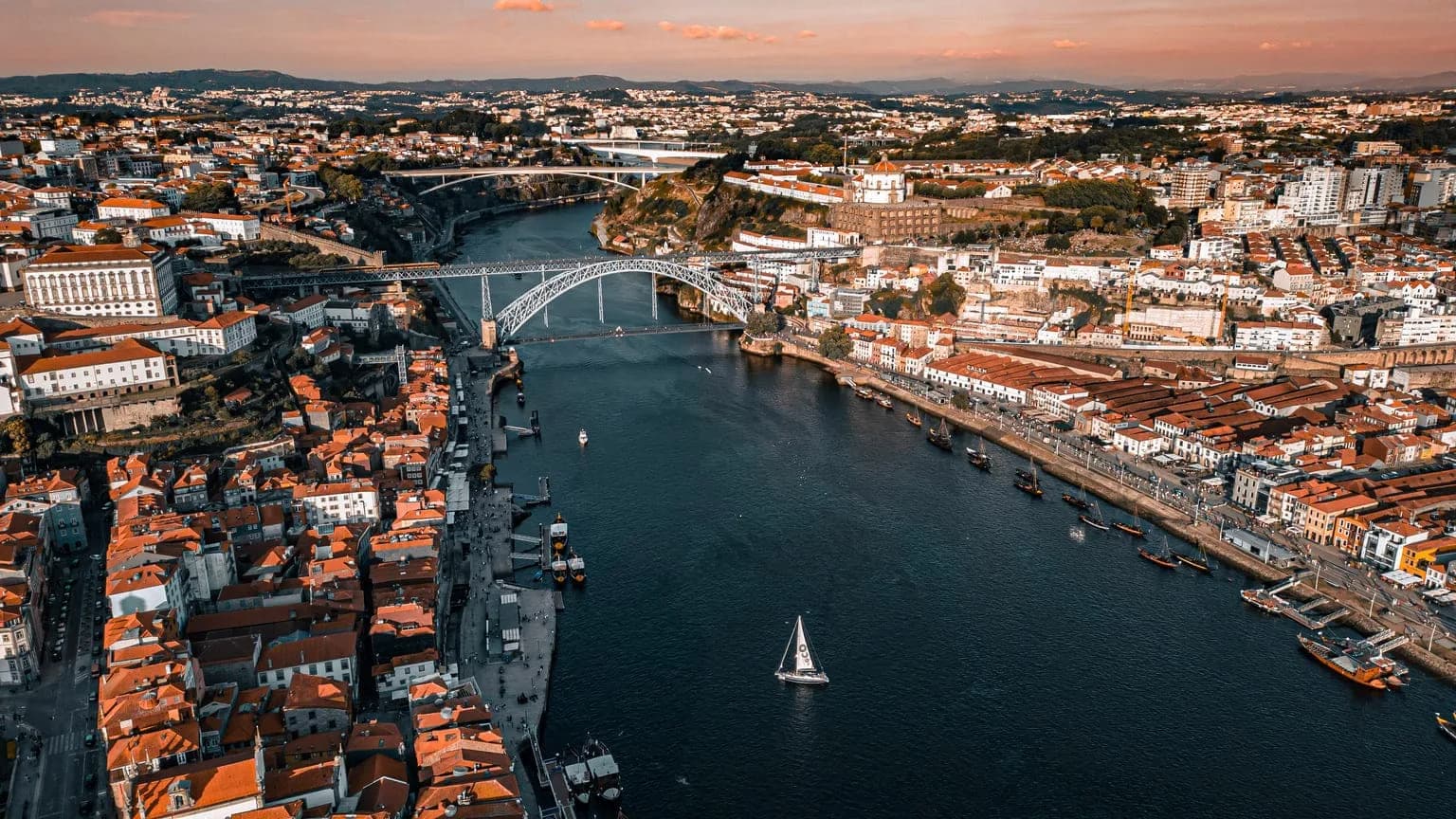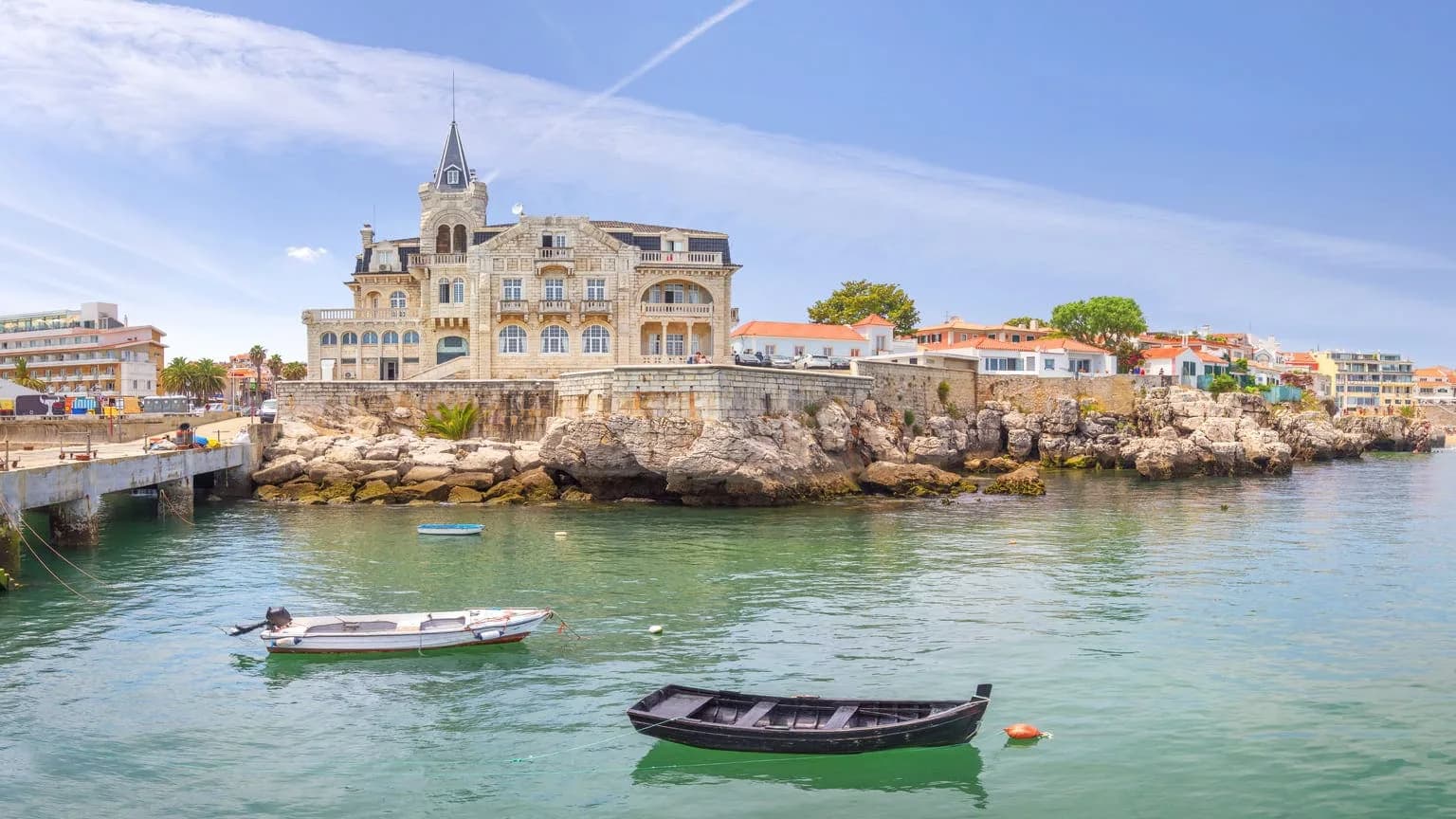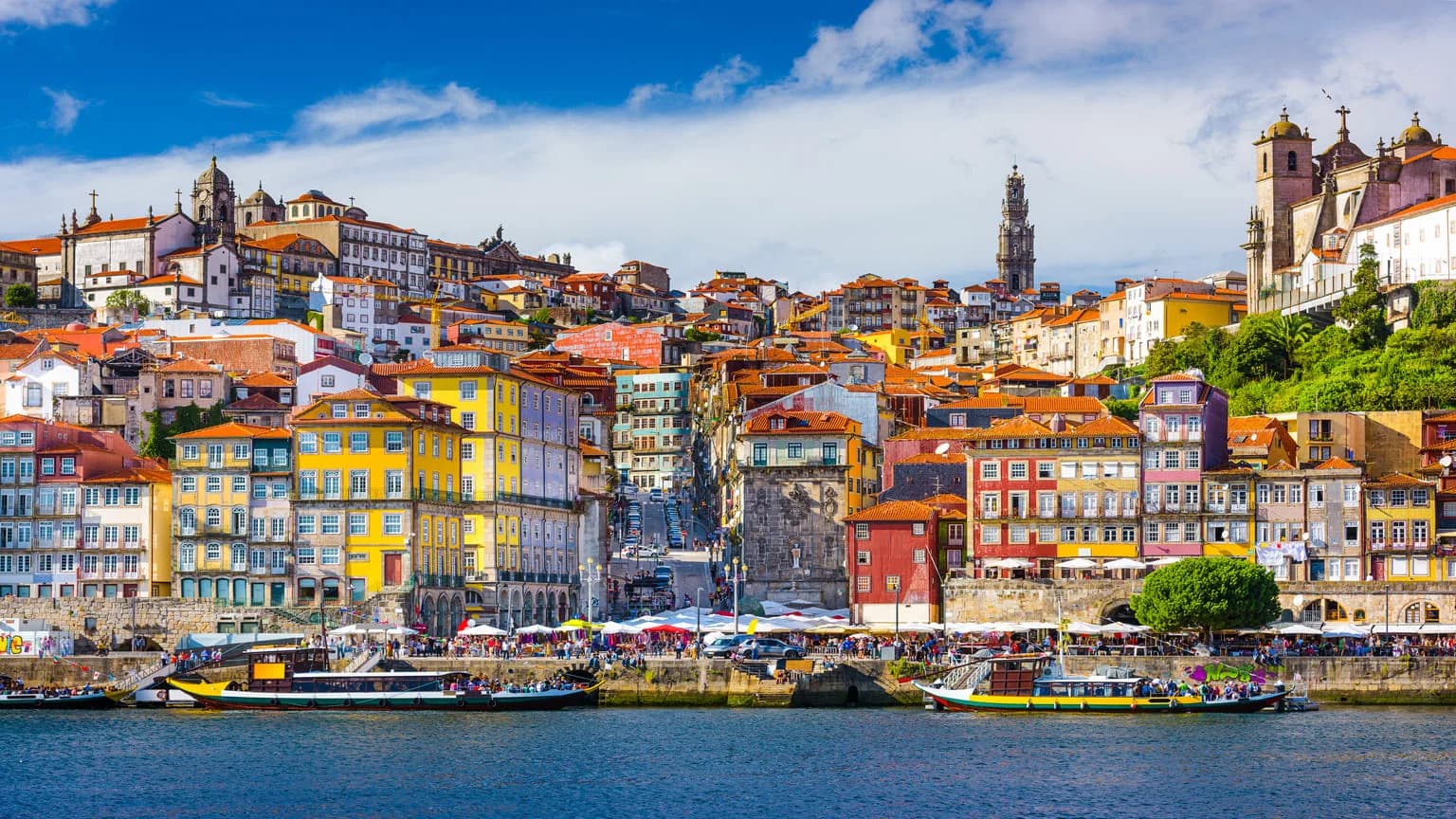









Portekiz, Yıllık Küresel Emeklilik Endeksi 2024'e göre emekli olunacak en iyi yerler arasında ikinci sırada yer alan dost canlısı ve misafirperver bir ülkedir. Dünyanın dört bir yanından bir çok insan, rahat yaşam tarzı, ılıman iklimi, huzurlu ortamı ve düşük yaşam maliyeti nedeniyle bu ülkeye ilgi duymaktadır.
Portekiz’de oturum, yılda en az €11,040 pasif gelir gerektiren D7 emeklilik vizesi ile elde edilebilir. Alternatif olarak, Golden Visa programı aracılığıyla Portekiz ekonomisine en az €250,000 katkıda bulunarak da oturum sağlanabilir.
Portekiz'de emekli olmanın 9 avantajı
1. Emekliler için oturma izni. Portekiz, emeklilerin taşınmasını kolaylaştıran özel vize programları sunmaktadır. AB dışı ülke vatandaşları, Portekiz D7 Vizesi ve Golden Visa programı olan Portekiz oturma izni programlarından yararlanabilirler.
Programlar sırasıyla 2007 ve 2012 yıllarından bu yana yürürlüktedir ve dünyanın dört bir yanından yabancıları cezbetmektedir. 2012'den bu yana Portekiz, yatırım yoluyla 14.000'den fazla oturma izni düzenlemiştir.
AB, AET ve EFTA vatandaşlarının Portekiz’de oturma izni almak için vizeye ihtiyacı yoktur. Yalnızca Kayıt Belgesi başvurusunda bulunmaları yeterlidir.
2. Düşük yaşam maliyeti. ABD ve Birleşik Krallık ile karşılaştırıldığında, Portekiz'de yaşam %30—50 daha ucuzdur. Aynı yaşam standardını korumak için Lizbon'da yaklaşık €4.500, Washington ve Londra'da ise €8.000 gereklidir.
3. Yüksek kaliteli sağlık hizmeti. International Living’in 2024 Yıllık Küresel Emeklilik Endeksi'ne göre Portekiz, sağlık hizmetlerinde ilk sırada yer almaktadır. Ortalama yaşam süresinin 76 yıl olduğu ABD ile karşılaştırıldığında burada ortalama yaşam süresi 81 yıldır.
Ülkede İngilizce kullanımının yaygın olması sayesinde doktorlar da İngilizce konuşmakta, bu da emeklilerin Portekiz hastanelerinde tedavi görmesini kolaylaştırmaktadır.
4. Portekiz’in elverişli miras hukuku. Portekiz'de saklı paylı miras sistemi mevcuttur; yani müteveffanın Portekiz'deki mal varlığının bir kısmı kanunen yasal mirasçılara ayrılmıştır. Bunlar müteveffanın eşi, çocukları ve bazen de anne babasıdır. Mirasın en az %50'sini alma hakkına sahip olduklarından payları güvence altındadır.
Birinci derece aile üyeleri miras vergisinden muaftır. Diğer mirasçılar için vergi oranı %10'dur.
Portekiz’deki bir vasiyetname uluslararası standartlara uygundur ve Portekiz’de ikamet eden yabancıların hem yurt içinde hem de yurt dışında bulunan varlıkları için geçerli bir vasiyetname hazırlamasına olanak tanır. Yabancı bir emekli, Portekiz’de kendi ülkesinde de geçerli olan tek bir belge düzenleyebilir. Alternatif olarak, her ülkede ayrı vasiyetnameler tutmak da mümkündür.
5. Huzurlu ve güvenli ortam. 2024 Küresel Barış Endeksi'ne göre Portekiz, dünyanın en güvenli ülkeleri arasında 7. sırada yer almaktadır. Sıralamada sosyal güvenlik ve emniyet düzeyi, siyasi istikrarsızlık ve suç oranı dikkate alınmaktadır.
6. Avrupa genelinde vizesiz seyahat. Portekiz'de ikamet edenler, Schengen Bölgesi ülkelerine vizesiz seyahat edebilir ve burada 180 gün içinde 90 güne kadar kalabilirler. Lizbon'dan Madrid'e arabayla yaklaşık 6 saat sürmektedir. İspanya'ya feribotla seyahat etmek de mümkündür.
7. 5 yılda vatandaşlık. Emekliler, Portekiz'de 5 yıl oturma iznine sahip olduktan sonra vatandaşlık başvurusunda bulunabilirler. Diğer başvuru sahiplerinin aksine, 60 yaş ve üzerindeki kişiler Portekizce dil sınavından muaftır.
Portekiz pasaportu ile 172 ülkeye vizesiz erişim sağlanır. Portekiz vatandaşları herhangi bir Avrupa ülkesinde kısıtlama olmaksızın yaşamakta, çalışmakta ve öğrenim görmekte serbesttir.
8. Ilıman iklim. Portekiz'de ortalama sıcaklık kışın +16°C, yazın ise +30°C'dir. Emekliler, fiziksel aktiviteler yaparak tüm yıl boyunca sıcak Akdeniz ikliminden faydalanırlar. Sahil boyunca koşu yaparlar, İskandinav yürüyüşüne çıkarlar, doğa yürüyüşü yaparlar, okyanusta yüzerler, golf oynarlar ve bisiklete binerler.
9. Temiz çevre. Yeşil Gelecek Endeksi 2023'e göre Portekiz, dünyanın en yeşil ülkeleri arasında 18. sırada yer almaktadır. Sıralamada karbon emisyonları, enerji dönüşümü, yeşil toplum, temiz yenilikçilik ve iklim politikası dikkate alınmaktadır. Yemyeşil ağaçlarla çevrili olmak ve temiz hava solumak daha iyi bir sağlığa katkıda bulunur.

Portekiz'in dört bir yanındaki manzaralı görünümler sayesinde, örneğin Azorlar'daki São Miguel adasında doğa yürüyüşü yapmak en keyifli aktivitelerden biri haline geliyor
Portekiz'de yaşam maliyeti
Lizbon ve Cascais’te yaşam, kira dahil ayda yaklaşık €3.500—4.000 tutmaktadır. Porto ve Lagos’ta bu miktar yaklaşık €2.500'dir.
Birleşik Krallık veya ABD’de aynı yaşam standardını sürdürmek için Lizbon veya Porto’dakinden %40 daha fazla harcama yapılacaktır. Londra veya Washington, DC’de yaşamak için ayda yaklaşık €6.500 gereklidir.
Portekiz, ABD ve Birleşik Krallık’ta ürün ve hizmetlerin ortalama fiyatları
Portekiz'deki emekliler için ikamet programları
Portekiz D7 Vizesi, Portekiz Emeklilik Vizesi veya Pasif Gelir Vizesi olarak da bilinmektedir. Portekiz dışında emekli maaşı, kira, kar payı, faiz veya telif hakkı gibi pasif geliri olanlar için uygundur.
Pasif gelir, Portekiz’deki aylık asgari ücretten az olmamalıdır. 2026 yılında bu tutar €920'dur. Emeklinin, Portekiz’deki aylık asgari ücretin en az 12 katı tutarında, yani toplam €11.040 tutarında bir bakiye gösteren Portekiz banka hesap özeti sunması gerekir. Oturma izni aldıktan sonra emekliler bu fonlara erişebilir ve bunları kullanabilirler.
Portekiz’de ikamet etmek için bir diğer şart ise mülk satın almak veya kiralamak ve ülke içinde kayıtlı bir adres oluşturmaktır. Konutun maliyetine ilişkin herhangi bir kısıtlama bulunmamaktadır.
Bir emekli, başvuruya aile üyelerini de dahil edebilir: eş, çocuklar ve anne-baba. Akrabaların ana başvuru sahibiyle birlikte vize alması durumunda, gerekli gelir tutarı eş için %50 ve her bir çocuk için %30 oranında artar.
Portekiz'deki gayrimenkul örnekleri
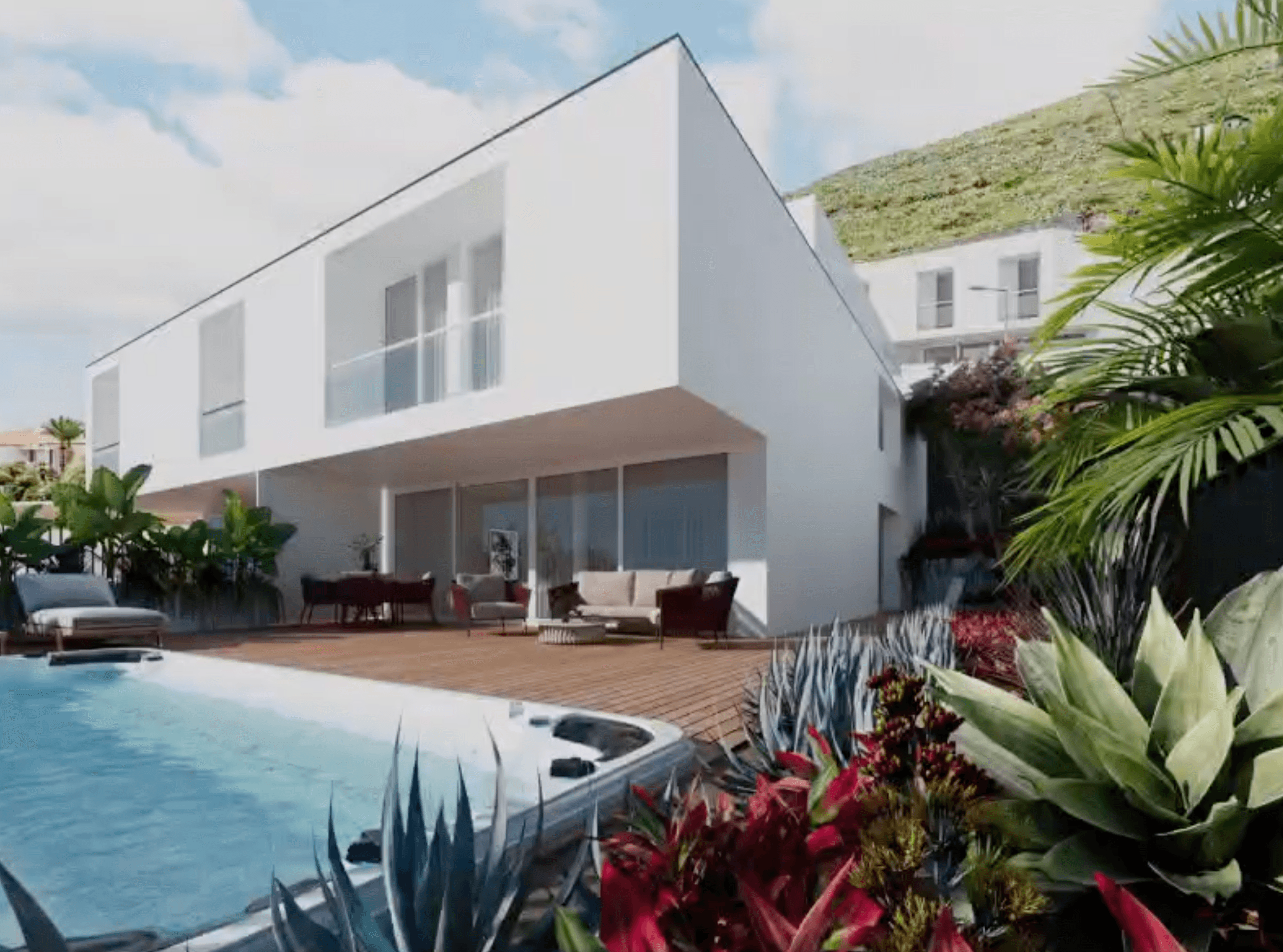

Portekiz, Funchal
€1.230.000 — €1.500.000
Elegant House with sea view, Funchal
 273 m² — 313 m²
 3
3  3
3 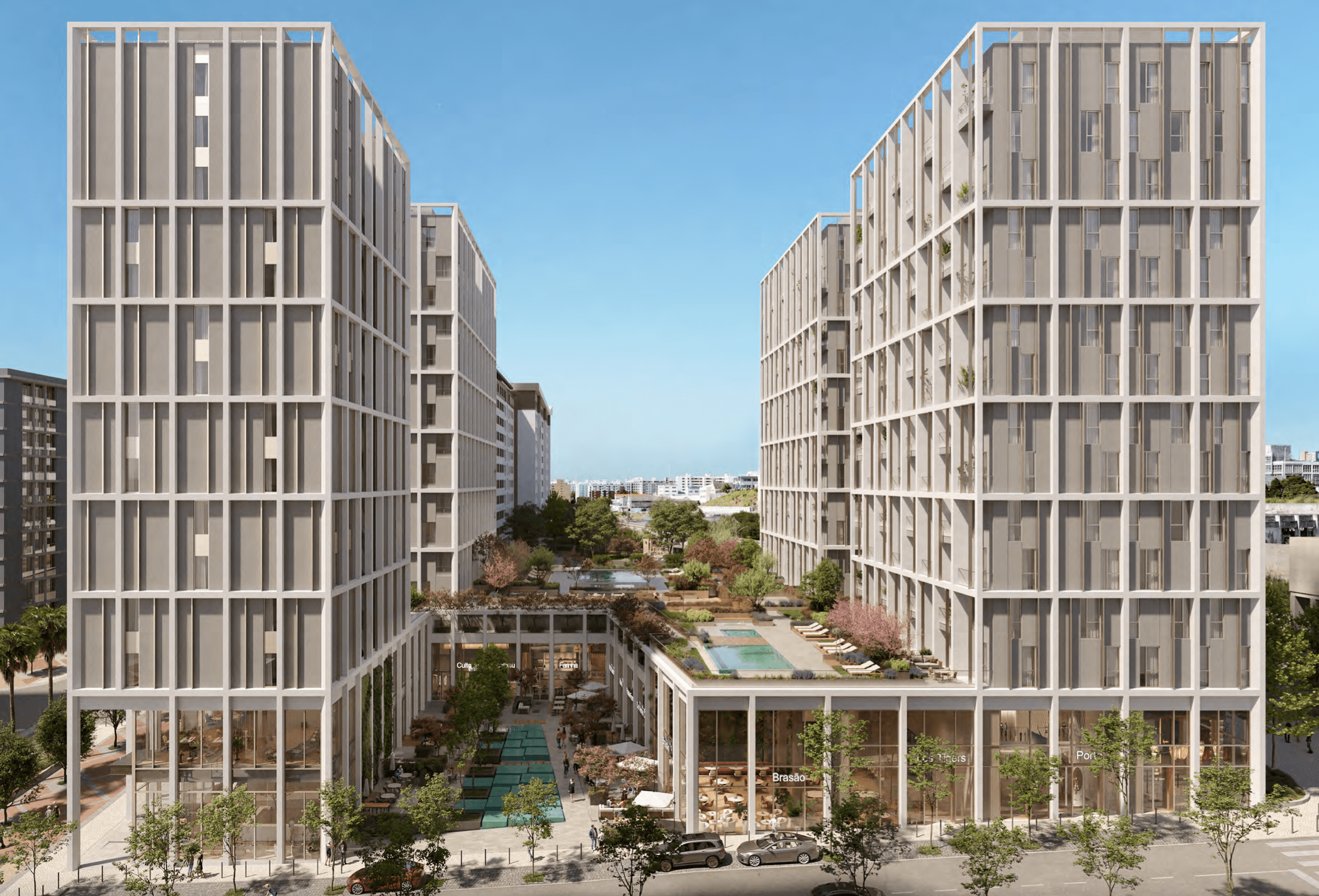
Portekiz, Lisbon
€405.000 — €645.000
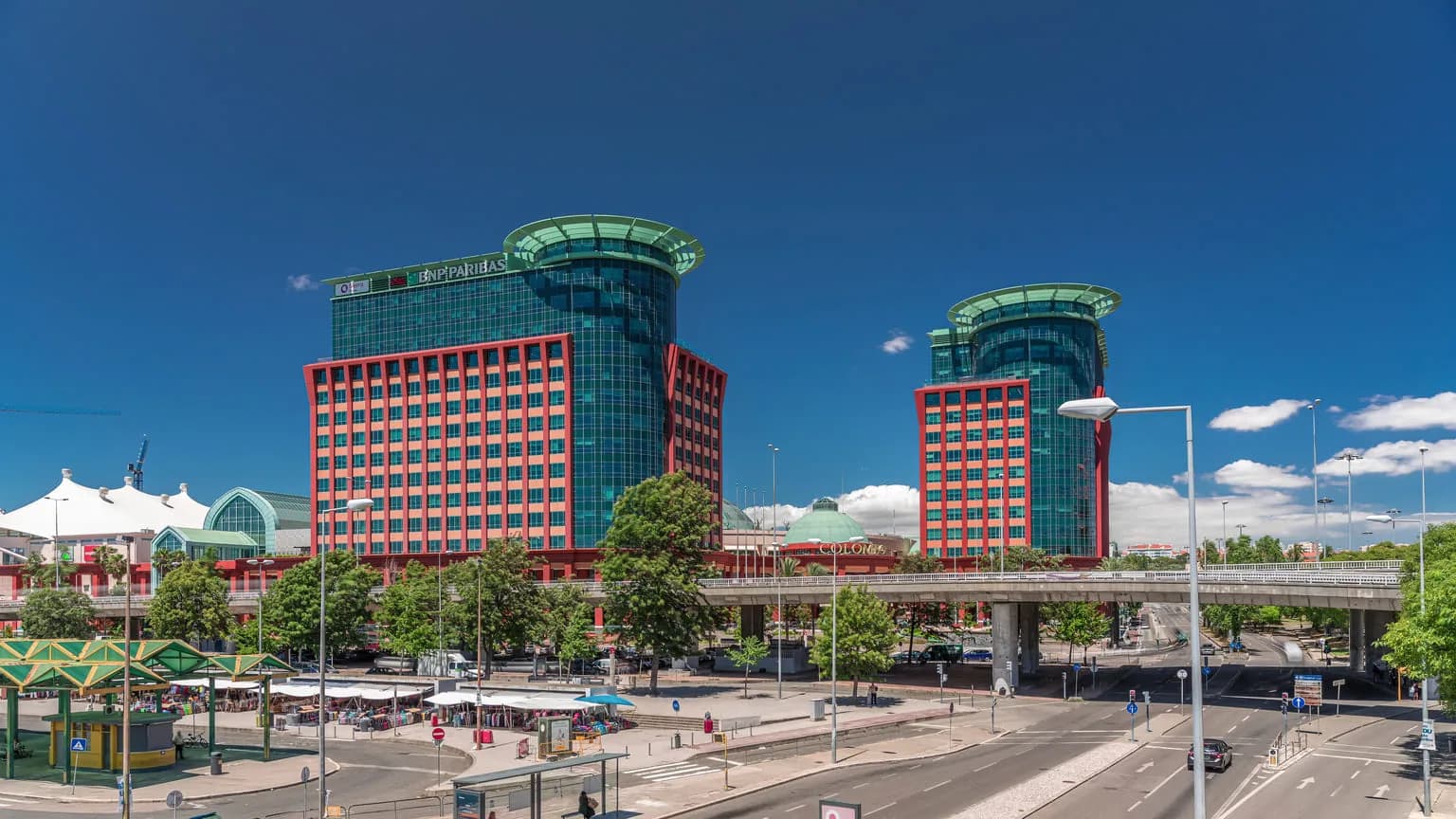
Serviced apartments, Park of the Nations, Lisbon
40 m² — 76 m²1—2 1—2 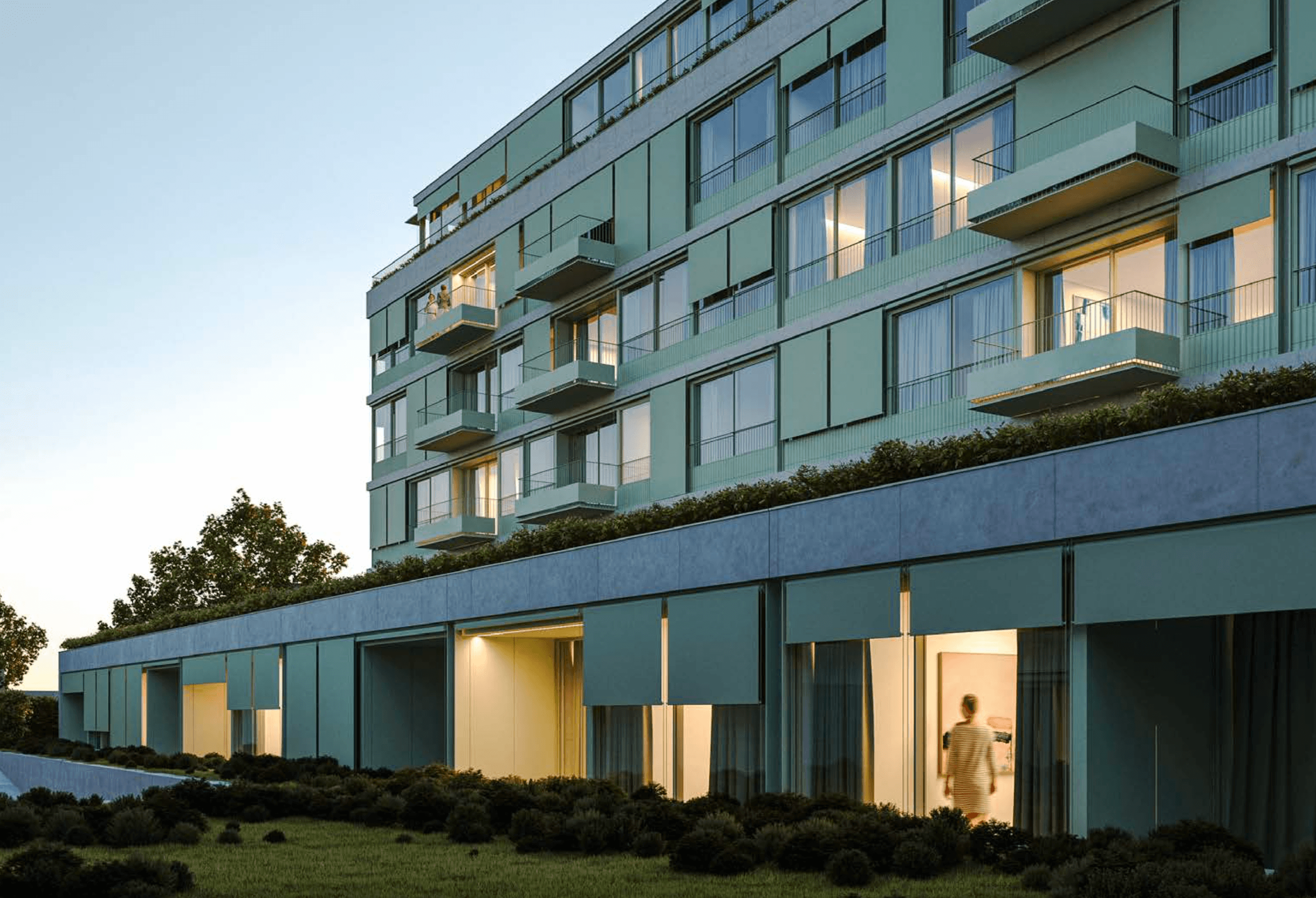
Portekiz, Porto
€400.000 — €1.215.000
Apartments in modern style, central district, Porto
59 m² — 223 m²1—2 1—2 Portekiz Golden Visa programı, ülke ekonomisine yatırım çekmeyi amaçlamaktadır. Programın 2012 yılında başlatılmasından bu yana, aileleriyle birlikte yaklaşık 32.000 yabancı Portekiz'de oturma izni almıştır.
Yeterli miktarda katkı sağlamak için birkaç seçenek mevcuttur:
- Sanatın desteklenmesi ve kültürel mirasın restore edilmesi — €250,000+.
- Araştırma faaliyetlerine yatırım yapılması — €500,000+.
- Yatırım fonu birimleri satın alınması — €500,000+.
- En az 5 kişilik istihdam yaratan ticari yatırım — €500,000+.
- En az 10 kişilik istihdam yaratan bir şirket açılması. Asgari yatırım tutarı belirtilmemiştir.
En popüler seçenek, yatırım fonu birimleri satın almayı içerir. Fon, parayı ticari mülk, Portekiz şirketleri, sanayi tesisleri veya Avrupa borsası gibi seçilen varlıklara yatırır.
Eşler ve 26 yaşına kadar olan çocuklar ana başvuru sahibi ile birlikte katılabilir. Bu durum yatırım tutarını etkilemez.
Portekiz'de kimler emekli olabilir?
Portekiz’de emekli olmak için AB dışı ülke vatandaşlarının oturma izni alması gerekir. D7 vizesi ile oturma izni almak yaklaşık 4 ay, Golden Visa ile ise 8—10 ay sürer.
D7 vizesi için uygunluk kriterleri. D7 vizesine başvuran yabancıların 18 yaşından büyük olması, sabıka kaydı bulunmaması, Portekiz dışındaki kaynaklardan ayda en az €920 pasif gelire sahip olması ve Portekiz'de gayrimenkul satın alması veya kiralaması gerekir.
Akrabalar D7 başvurusuna dahil edilebilir:
- eş — ana başvuru sahibi ile resmi evlilik veya kayıtlı birliktelik içinde olan, sabıka kaydı bulunmayan;
- 18 yaş altındaki çocuklar;
- 18 ila 21 yaş arasındaki çocuklar — evli olmayan ve çalışmayan;
- her yaştan engelli çocuklar;
- ebeveynler — ana başvuru sahibine mali açıdan bağımlı olan.
Golden Visa için uygunluk kriterleri. Başvuru sahiplerinin 18 yaşından büyük olması, sağlık sigortasına sahip olması, sabıka kaydı veya kovuşturma bulunmaması ve Portekiz'de borcunun olmaması gerekir. Yasal geliri teyit etmeleri ve yatırım için kullanılacak paranın Portekiz dışında kazanıldığını kanıtlamaları gerekmektedir.
Yatırımcı ile birlikte katılabilecek akrabalar şunlardır:
- eş;
- 18 yaş altındaki çocuklar;
- 18 ila 26 yaş arasındaki çocuklar — yatırımcıya mali açıdan bağımlı olan veya üniversiteye kayıtlı olan;
- ebeveynler — yatırımcıya mali açıdan bağımlı olan;
- 26 yaş altındaki kardeşler — yatırımcının vesayeti altında olan.
Vizeye başvurmak için yabancılar kendi ülkelerindeki Portekiz konsolosluğuna belgeleri teslim ederler. Portekiz’e ulaştıktan sonra, Entegrasyon, Göç ve İltica Ajansı'na (AIMA) oturum başvurusunda bulunurlar.
İlk oturma izni kartı 2 yıl geçerlidir. 3 yıl daha uzatılabilir. Portekiz’de 5 yıl yaşadıktan sonra, sakinler vatandaşlık başvurusunda bulunmaya hak kazanırlar.
AB, AET ve EFTA vatandaşları için gereklilikler. Portekiz'de emekli olmak için AIMA'dan bir Kayıt Belgesi almaları gerekir. Kayıt belgesi için Portekiz'e geldikten sonraki 30 gün içinde yerel belediyeye başvururlar. Harç tutarı €15'dir.
Emekliler için gerekli belgeler sağlık sigortası ve kendilerini geçindirmeye yetecek gelire sahip olduklarına dair kanıttır.
Kayıt Belgesi 5 yıl süreyle geçerlidir.
D7 vizesi alarak Portekiz'de nasıl emekli olunur
D7 Emeklilik Vizesine dayanarak Portekiz’de oturma izni alma süreci altı adımdan oluşmaktadır. Immigrant Invest avukatlarına göre vizeyi almak en az 6 ay sürer. Oturma iznini aldıktan sonra, emeklilerin Portekiz’deki ikametlerini korumak için izni periyodik olarak yenilemeleri gerekir.
5 iş gününe kadar
NIF numarası alma
Yabancı bir ülke vatandaşı, NIF (Número de Identificação Fiscal) almak için Portekiz Vergi Dairesine kaydolur. Bu, banka hesabı açma ve Portekiz’de gayrimenkul satın alma veya kiralama için gerekli olan benzersiz bir vergi mükellefi numarasıdır.
AB dışı ülke vatandaşları, Portekiz’deki bir vergi temsilcisi aracılığıyla uzaktan NIF edinebilirler. Immigrant Invest avukatları bir vekaletname hazırlar.
Yabancı bir ülke vatandaşı, NIF (Número de Identificação Fiscal) almak için Portekiz Vergi Dairesine kaydolur. Bu, banka hesabı açma ve Portekiz’de gayrimenkul satın alma veya kiralama için gerekli olan benzersiz bir vergi mükellefi numarasıdır.
AB dışı ülke vatandaşları, Portekiz’deki bir vergi temsilcisi aracılığıyla uzaktan NIF edinebilirler. Immigrant Invest avukatları bir vekaletname hazırlar.
2+ hafta
Banka hesabı açma
Yabancı bir ülke vatandaşının banka hesabı açması için vergi mükellefi numarası, pasaport ve yasal gelir kaynağının kanıtını sunması gerekir. Aileyi bir yıl boyunca geçindirmeye yetecek miktarda parayı yatırmaları gerekmektedir.
Yabancı bir ülke vatandaşının banka hesabı açması için vergi mükellefi numarası, pasaport ve yasal gelir kaynağının kanıtını sunması gerekir. Aileyi bir yıl boyunca geçindirmeye yetecek miktarda parayı yatırmaları gerekmektedir.
2 aya kadar
Gayrimenkul satın alma veya kiralama
Immigrant Invest, kiralık veya satılık mülkler sunmaktadır. Seçenekler uzaktan veya Portekiz’de şahsen seçilebilir.
Gayrimenkul satın alma 2 aya kadar sürebilirken, seçim ve evrak işleri yalnızca birkaç gün sürdüğü için kiralama işlemi daha hızlıdır.
Immigrant Invest, kiralık veya satılık mülkler sunmaktadır. Seçenekler uzaktan veya Portekiz’de şahsen seçilebilir.
Gayrimenkul satın alma 2 aya kadar sürebilirken, seçim ve evrak işleri yalnızca birkaç gün sürdüğü için kiralama işlemi daha hızlıdır.
4 aya kadar
D7 vizesi alma ve Portekiz'e varış
Yabancıların kendi ülkelerindeki Portekiz konsolosluğuna D7 vizesi için başvurmaları gerekmektedir. Vize genellikle 60 gün içinde düzenlenir. Başvuru ücreti her aile üyesi için €90'dur.
D7 vizesi dört ay geçerlidir. Bu süre zarfında yabancının Portekiz’e seyahat etmesi ve AIMA aracılığıyla oturma izni başvurusunda bulunması gerekir.
Immigrant Invest temsilcisi, başvuru sahiplerine gerekli tüm belgelerin toplanmasında ve formların doldurulmasında yardımcı olur ve ardından AIMA ofisinde kendilerine eşlik eder.
Yabancıların kendi ülkelerindeki Portekiz konsolosluğuna D7 vizesi için başvurmaları gerekmektedir. Vize genellikle 60 gün içinde düzenlenir. Başvuru ücreti her aile üyesi için €90'dur.
D7 vizesi dört ay geçerlidir. Bu süre zarfında yabancının Portekiz’e seyahat etmesi ve AIMA aracılığıyla oturma izni başvurusunda bulunması gerekir.
Immigrant Invest temsilcisi, başvuru sahiplerine gerekli tüm belgelerin toplanmasında ve formların doldurulmasında yardımcı olur ve ardından AIMA ofisinde kendilerine eşlik eder.
2+ hafta
Oturma izni alma
Oturma izni kartı, emeklinin Portekiz’deki kayıtlı adresine gönderilir. İlk oturma izni 2 yıl geçerlidir ve üç yıl daha uzatılabilir.
İşlem ücreti €83, oturma kartı düzenleme ücreti ise €72'dir.
Oturma izni kartı, emeklinin Portekiz’deki kayıtlı adresine gönderilir. İlk oturma izni 2 yıl geçerlidir ve üç yıl daha uzatılabilir.
İşlem ücreti €83, oturma kartı düzenleme ücreti ise €72'dir.
2 yıl sonra
Oturma iznini yenileme
D7 oturma izninin 2 yıl sonra yenilenmesi gerekmektedir. Başvuru sahipleri, finansal yeterliliklerini ve Portekiz’de ikamet etmeye devam ettiklerini kanıtlayan güncellenmiş belgeleri sunmalıdır. Yenilenen izin 3 yıl geçerlidir.
5 yıllık yasal ikametin ardından emekliler Portekiz vatandaşlığı veya daimi ikamet başvurusunda bulunabilirler.
D7 oturma izninin 2 yıl sonra yenilenmesi gerekmektedir. Başvuru sahipleri, finansal yeterliliklerini ve Portekiz’de ikamet etmeye devam ettiklerini kanıtlayan güncellenmiş belgeleri sunmalıdır. Yenilenen izin 3 yıl geçerlidir.
5 yıllık yasal ikametin ardından emekliler Portekiz vatandaşlığı veya daimi ikamet başvurusunda bulunabilirler.
Emeklilerin Portekiz'de oturma izni başvurusu yapması için gerekli belgeler
Standart belge paketi şunları içerir:
- Uluslararası pasaport.
- Sağlık sigortası poliçesi.
- İki adet renkli fotoğraf.
- Menşe ülkeden alınan Adli Sicil Belgesi.
- Gayrimenkul kiralama veya satın alma sözleşmesi.
- NIF kayıt belgesi.
- Evlilik cüzdanı, boşanma veya doğum belgesi.
Golden Visa başvuru sahipleri ayrıca yatırımla ilgili belgeleri de sunarlar.
Portekiz'e nasıl taşınılır ve D7 vizesi ile bunu ne kadar hızlı yapabilirsiniz
Birleşik Krallık'tan Portekiz'e taşınarak nasıl emekli olunur
Portekiz, özellikle Brexit sonrasında Birleşik Krallık emeklileri için cazip bir yer haline geldi. Birleşik Krallık vatandaşları burada, özellikle daire kiralama konusunda Birleşik Krallık’takinden %50'ye varan oranlarda daha düşük olan uygun yaşam maliyetleri arıyor. Birleşik Krallık emeklileri, özellikle Birleşik Krallık’taki yalnızca 1.400 saate kıyasla Portekiz’deki yıllık güneşli saatlerden (yaklaşık 3.500 saat) etkilenmektedir.
Birleşik Krallık vatandaşlarının Portekiz’e turist olarak seyahat etmeyi planlamaları durumunda vizeye ihtiyaçları yoktur. Ancak ülkede 90 günden fazla kalmayı planlıyorlarsa oturma izni almaları gerekmektedir. Bu, Portekiz D7 Vizesi veya Golden Visa programı aracılığıyla mümkündür.
Ulaşım. Londra'dan Lizbon'a uçuş süresi yaklaşık 2,5 ila 3 saattir. Bagaj dahil bilet fiyatları €100'den başlamaktadır.
Arabayla, Birleşik Krallık’tan Portekiz’in başkentine ulaşmak yaklaşık 20 ila 23 saat sürmektedir.
Eşyaların taşınması Birleşik Krallık'tan Portekiz'e genellikle deniz navlunu ile konteyner içinde nakliye yapılarak gerçekleştirilir. Eşyaların Birleşik Krallık'tan Portekiz'e nakliye maliyeti, mesafeye ve hacme bağlı olarak değişiklik göstermekle birlikte ortalama €2.800 civarındadır. Popüler şirketler arasında Getamover ve GB Liners yer almaktadır.
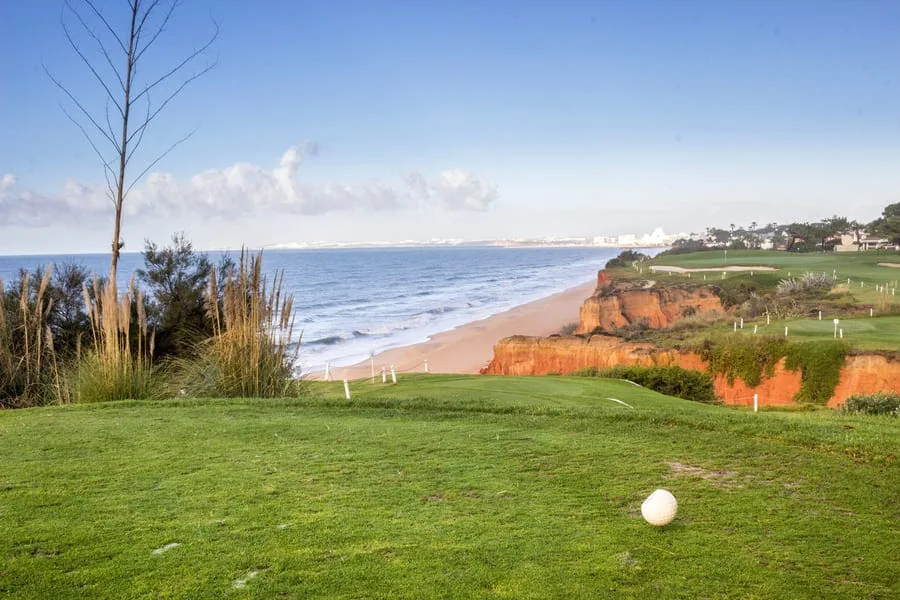
Futbol ve golf Portekiz'deki en popüler sporlardır. World Golf Awards'a göre Portekiz, sıklıkla en iyi golf sahalarına sahip ülke olarak derecelendirilmektedir
ABD'den Portekiz'e taşınarak nasıl emekli olunur
ABD vatandaşları, sakin yaşam temposu, misafirperver halkı ve daha düşük yaşam maliyeti nedeniyle emeklilik için Portekiz’i tercih etmektedir. Ayrıca Portekiz, dünyanın en güvenli ilk 10 ülkesi arasında yer alarak ABD vatandaşları için cazip bir emeklilik destinasyonu oluşturmaktadır. Buna karşılık ABD, 2024 Küresel Barış Endeksi’nde 132. sırada yer almaktadır.
Ulaşım. Washington'dan Lizbon'a direkt uçuş yaklaşık 7—8 saat sürer ve bagaj dahil yaklaşık $900 veya €864 tutarındadır. New York'tan seyahat ediliyorsa, genellikle İspanya'da aktarma içermesine rağmen $500 veya €480 tutarında biletler bulunabilir.
İş ile eğlenceyi birleştirmek isteyenler için ABD’den Portekiz’e bir gemi turuna katılmak, bu uzun zamandır istenen ülkeye taşınmak için romantik bir yol sunar.
Eşyaların taşınması, SDC International Movers gibi uzman nakliye şirketleri ile kolaylaşır. Sadece ev eşyalarının değil, piyano veya sanat eserleri gibi hassas eşyaların da taşınmasına yardımcı olurlar.
Portekiz’e araba gönderiliyorsa, aracın ithal edilmeden önce en az altı ay boyunca sahibinin mülkiyetinde bulunmuş olması gerekir. Gerekli belgeler arasında ruhsat belgeleri, mülkiyet belgesi, uluslararası sürücü belgesi, sigorta kanıtı, satın alma faturası, pasaport ve geçerli bir vize yer alır. ABD'den Portekiz'e bir araç göndermenin maliyeti genellikle $3,000 ile $4,500 veya €2,880—4,320 arasında değişmektedir.
Kanada'dan Portekiz'e taşınarak nasıl emekli olunur
Portekiz, güzel manzaraları ve sıcak havası nedeniyle Kanadalı emeklilerin yerleşmek için tercih ettiği popüler bir ülkedir. Kanada’nın daha soğuk iklimine kıyasla daha fazla güneş arayanlar için cazip bir destinasyondur.
Portekiz, Kanada’nın birçok şehrine kıyasla daha düşük bir yaşam maliyeti sunmaktadır; tek bir kişi için kira hariç tahmini aylık maliyet Kanada’da €960 iken Portekiz’de €680 civarındadır. Portekiz’de kiralama da daha uygundur; şehir merkezinde tek odalı bir daire aylık €930 iken Kanada’da benzer bir daire €1.230'dur.
Kanada vatandaşları 90 güne kadar olan kısa süreli ziyaretler için Portekiz’e vizesiz girebilirler. Daha uzun süre kalmak isteyenler için oturma izni gereklidir. Emekliler genellikle emekli maaşı gibi sabit bir geliri olan kişiler için tasarlanmış D7 vizesini veya mülk ya da ticari yatırım yoluyla oturma iznine giden bir yol sağlayan Golden Visa’yı tercih etmektedir.
Ulaşım. Toronto'dan Lizbon'a direkt uçuş yaklaşık 7 saat sürmekte olup bagaj dahil bilet fiyatları €570'den başlamaktadır. Vancouver'dan yapılan uçuşlar, genellikle Toronto, Montreal veya Frankfurt ya da Londra gibi Avrupa şehirlerinde aktarmalı olarak yaklaşık 11—15 saat sürebilir.
Eşyaların taşınması, AMJ Campbell, Armstrong veya Crown Relocations gibi uluslararası nakliye şirketleri aracılığıyla kolayca organize edilebilir. Nakliye masrafları hacme ve mesafeye bağlıdır. Küçük ila orta ölçekli bir ev taşınması için (örneğin birkaç koli veya kısmi bir konteyner) maliyet €1.600 ila €2.700 aralığına düşebilir. Bununla birlikte, tam bir konteyner veya büyük bir ev gibi daha büyük sevkiyatlar için maliyetler €3.300—6.600'ü kolayca aşabilir.
Araba nakliyesi yapanlar için, aracın en az altı aydır mülkiyetinde bulunması, AB emisyon ve güvenlik standartlarına uyumu, KDV ve gümrük vergilerinin ödenmesi de dahil olmak üzere Portekiz'in ithalat gerekliliklerini karşılaması gerekir. Kanada'dan Portekiz'e araba göndermenin maliyeti genellikle €2.000 ile €3.300 arasında değişmektedir.
Portekiz'de emekli olunabilecek en iyi 5 şehir
1. Costa da Caparica ve Charneca da Caparica gibi Lizbon varoşları, Lizbon'a arabayla sadece 30 dakika uzaklıktadır. Lizbon kıyı şeridi boyunca uzanırlar ve Portekiz'in telaşlı başkentinden çok daha huzurludurlar.
Bu tür bölgelere yerleşmek, bir yandan alışveriş merkezleri, hastaneler, iyi restoranlar ve eğlence aktiviteleri gibi büyük bir şehrin sağladığı gerekli tüm hizmetlere erişim sağlarken diğer yandan günlük yaşamın huzurunun tadını çıkarmaya olanak tanır.
2. Porto, Portekiz'in ikinci büyük şehri ve porto şarabının doğum yeri olup Soalheiro, Churchill’s Lodge ve Quinta de Covela gibi popüler şarap imalathaneleriyle hem yabancıları hem de yerlileri kendine çekmektedir. Porto'nun altyapısı; parkları, bulvarları ve fıskiyeler ile heykellerle süslenmiş bahçeleriyle zarif bir şekilde harmanlanmaktadır.
Bu şehir, rahatça yürüyen ve içeceklerini yudumlayan yerel halkla çevrili romantik akşamlar geçirmekten hoşlanan yabancılar için idealdir.
3. Cascais, zenginleştirici aktivitelerin tadını çıkarmak için harika bir yerdir. Keyifli yürüyüşler için çok sayıda rota, golf sahaları, yatların bulunduğu rıhtımlar, hayvanların bulunduğu çiftlikler ve kaplıcalar sunmaktadır. Tarih ve sanata meraklı emekliler için Müze Mahallesi (Museum Quarter) adı verilen özel bir semt bulunmaktadır.
Cascais, Lizbon’a arabayla sadece 30 dakikalık mesafededir. Başkente olan bu yakınlık, emeklilerin uluslararası havalimanlarına, ek sağlık tesislerine, kültürel faaliyetlere ve alışveriş imkanlarına kolayca erişebilmesi anlamına gelir.
4. Kayalık falezleri ve kristal berraklığındaki sularıyla bilinen Lagos, Portekiz'in en güzel yerlerinden biridir. Burada kano yapabilir veya dalış yapabilir ve okyanusta yunusları ararken gün batımının tadını çıkarabilirsiniz. Lagos'un sadece kıyı tarafı çekici olmakla kalmaz, aynı zamanda renkli evlerle çevrili dar sokakları ve tarihi mekanlarıyla şehrin kendisi de yürüyüş için sıcak ve keyiflidir.
5. Portekiz’in ortaçağdaki başkenti olan Coimbra, orta Portekiz'de yer alan büyüleyici ve tarihi bir şehirdir. Avrupa'nın en eski üniversitelerinden biri olan prestijli Coimbra Üniversitesi ile tanınan şehir, akademik enerji ve geleneksel Portekiz kültürünün bir karışımını sunmaktadır. Ziyaretçiler ve ikamet edenler; Barok Joanina Kütüphanesi, Coimbra Eski Katedrali ve manzaralı Mondego Nehri gibi simgeleşmiş mekanları keşfedebilirler.
Şehir güzel parklar, manzaralı nehir kıyıları ve tarihi binalarla bezeli arnavut kaldırımlı sokaklarla doludur. Emekliler kültürel etkinliklere, yerel pazarlara ve kafelere kolay erişim imkanıyla burada rahat bir yaşam tarzının tadını çıkarabilirler. Coimbra ayrıca Lizbon ve Porto gibi daha büyük şehirlere kıyasla daha uygun bir yaşam maliyeti sunarak daha sakin, daha bütçe dostu bir emeklilik arayanlar için cazip bir destinasyon haline gelmektedir.
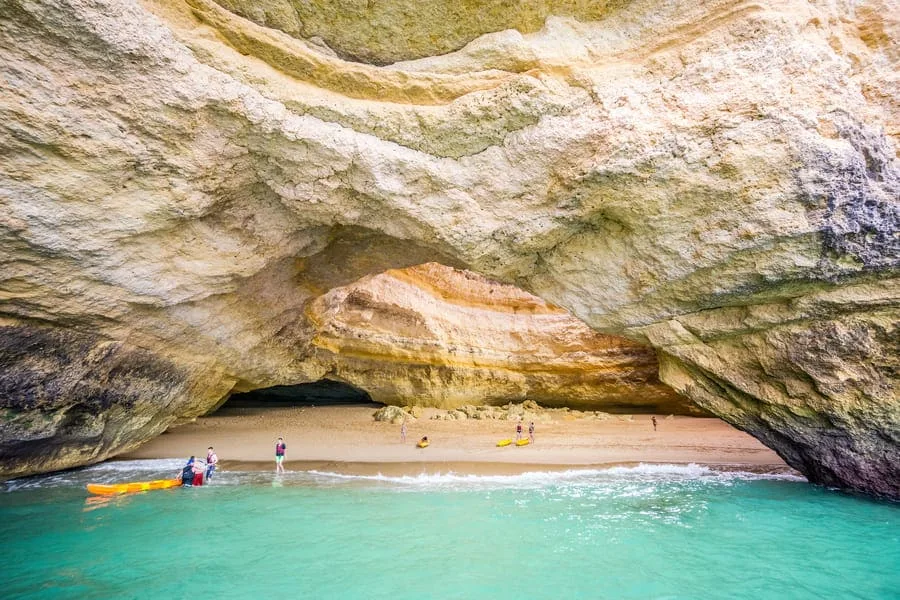
Kano sporu, emeklilerin Portekiz'de keyifle yapabileceği bir diğer aktivitedir. Birçok manzaralı destinasyon sayesinde hemen her kıyı kentinde mevcuttur
Portekiz'deki emekliler için vergiler
Portekiz’deki emeklilerin gelir vergisi, mülk vergisi ve yatırım geliri üzerinden vergi ödemesi gerekebilir. Bununla birlikte, ülke emeklilik geliri için bazı vergi muafiyetleri sunmaktadır.
Gelir vergileri. €4,462.15'e kadar olan emeklilik geliri vergiden muaf tutulur. Ayrıca, yabancı kaynaklı emekli maaşlarının yanı sıra emeklilik fonlarından ve benzeri emeklilik planlarından yapılan diğer ödemelere %10 oranında sabit bir vergi oranı uygulanır.
Yerel kaynaklı gelirler için Portekiz, %13 ile %48 arasında değişen oranlarla artan oranlı bir gelir vergisi sistemi uygular.
Servet ve yatırım vergileri. Kar payı ve faiz gibi yatırım gelirleri %28 oranında sabit vergiye tabidir. Menkul kıymetlerin satışından elde edilen sermaye kazançları, kazancın %50'si oranında vergilendirilir. Yüksek değerli mülk sahipleri, mülkün takdir edilen değerine bağlı olarak %0.7 ile %1.5 arasında değişen yıllık bir vergi öderler.
Portekiz’de servet vergisi bulunmamaktadır.
Diğer vergiler. Emekliler ayrıca konuma göre değişen ve mülkün değerine dayanan belediye emlak vergilerinin de bilincinde olmalıdır. Bu vergiler %0.3 ile %0.8 arasında değişebilir.
Miras üzerinde %10 oranında damga vergisi vardır, ancak eşler, çocuklar ve ebeveynler gibi doğrudan aile üyeleri bundan muaftır.
Ayrıca, mal ve hizmet alımları, belirli ürünler için indirimli oranlar uygulanmak üzere genel %23 oranında KDV’ye tabidir.
Çifte vergilendirmenin önlenmesi. Portekiz; ABD, Birleşik Krallık ve Kanada dahil olmak üzere 80 ülke ile vergi anlaşmaları imzalamıştır. Bu anlaşmalar, emeklilerin aynı gelir üzerinden iki kez vergilendirilmesini önler. Örneğin, bu ülkelerden elde edilen emeklilik geliri, anlaşma hükümlerine bağlı olarak devletlerden birinde indirimli bir oranda vergilendirilebilir veya vergeden muaf tutulabilir.
Portekiz'e taşınırken emekliler için ipuçları
Portekiz toplumu açık fikirli, sıcak ve dost canlısıdır. İnsanlar dinlenmeye, sadeliğe, arkadaşlarına ve ailelerine vakit ayırmaya değer vererek sakin bir hayat sürerler. Yerel halk küçük şeyleri dert etmez ve toplantılara genellikle geç kalır.
Yerel mutfak deniz ürünlerine ağırlık verir ve sağlıklı bir Akdeniz diyeti sunar. Portekizliler tatlı yapmaktan ve yemekten hoşlanırlar. Ana yemekten sonra genellikle limon ve tarçın aromalı bir kremalı turta olan popüler Pastel de nata yerler. Sade kahve popülerdir ve porto şarabı da dahil olmak üzere Portekiz şarapları dünyanın en iyilerinden bazılarıdır.
Portekiz kültürü canlı ve renklidir; tatillerde sıklıkla sokak dansları ve şarkılar yer alır. Yıllık müzik festivalleri arasında NOS Primavera Sound, NOS Alive ve Super Bock Super Rock bulunmaktadır. Portekiz'de popüler bir eğlence biçimi de İspanya'dakinin aksine boğanın arenada öldürülmesini içermeyen boğa güreşidir.
Ulaşım, Lizbon ve Porto gibi büyük şehirlerde metro, otobüs ve tramvaylar dahil olmak üzere gelişmiştir. Tren biletleri önceden rezerve edilirse %65'e kadar daha ucuzdur ve 65 yaş üstü emekliler %50 indirim alırlar. Aylık ulaşım kartı yaklaşık €40 tutarındadır.
Bir arabaya sahip olmak Portekiz genelinde düzenli seyahat etmeyi daha elverişli hale getirir. Araba satın almak için Portekiz ikametgah belgesi, geçerli bir kimlik, NIF ve banka hesabı detayları gereklidir. Yeni bir arabanın ortalama maliyeti €30,000'dir. Tüm araçlar, €55 ile €65 arasında değişen kayıt ücretleri ile Mobilite ve Ulaştırma Enstitüsü’ne (IMT) kayıtlı olmalıdır. Araç sigortası poliçeye bağlı olarak yılda €150 ile €600 arasında değişmektedir.
Gerekli vergiler arasında araç satın alındığında veya ithal edildiğinde ödenen bir defalık araç vergisi ve araç türüne ve CO2 emisyonlarına dayalı yıllık dolaşım vergisi yer alır. Araç ithal edilirse, %23 oranında KDV ve genellikle %10'a kadar ISV ödenmelidir.
Önde gelen Portekiz bankaları arasında Banco de Portugal, Caixa Geral de Depositos, Millennium BCP, Novobanco ve Banco Santander Totta yer almaktadır. Başlıca uluslararası bankalar Deutsche Bank, N26, Oney Bank ve Citibank'tır.
Portekiz’deki kredi kartları için tipik faiz oranı %11—13'tür. Yıllık hizmet ücretleri €0 ile €50 arasında değişmektedir. Banka hesabı açma işlemi €40 ücrete tabidir ve bir banka kartının yıllık hizmet maliyeti €19.50'dir.
Emekliler için Portekiz'e taşınmaya ilişkin temel çıkarımlar
- Portekiz; ılıman iklimi, temiz çevresi, yüksek kaliteli sağlık hizmetleri, sakin yaşam temposu ve nispeten düşük yaşam maliyeti sunarak emekli olunacak en iyi yerlerden biri olarak kabul edilmektedir.
- Emekliler bir D7 Emeklilik Vizesi ile Portekiz’e taşınabilir; bu vize yıllık €11,040 tutarında pasif gelir kanıtı ve bir gayrimenkul satın alma veya kiralama şartı gerektirir. D7 vizesi, 3 yıl uzatma imkanı ile 2 yıllık bir oturma izni sağlar.
- Diğer bir seçenek ise Golden Visa programıdır; Portekiz ekonomisine en az €250,000 katkıda bulunabilecek yatırımcıları hedefler, 2 yıl süreyle verilir ve 2 yıl uzatılma imkanı vardır.
- Portekiz’de 5 yıl yaşadıktan sonra daimi ikamet veya vatandaşlık başvurusunda bulunulabilir.

 10.000+ yatırımcının tercihi